Amid shifting markets and uneven recoveries, global real estate has climbed to an estimated $393.3 trillion in 2025, making it the world’s largest store of wealth by a wide margin. The asset class is roughly four times the size of global GDP, and it exceeds the combined value of global equities, bonds, and gold.
For perspective, all the gold ever mined is pegged at about $26.5 trillion, which makes property look like the heavyweight in a ring full of lightweights. Even after a modest 0.5% dip in 2024, driven largely by a residential downturn in China, the overall base remains immense.
Residential, commercial, and agricultural property together form this universe, with residential cited at $11.67 trillion in 2025 and projected to reach $25.82 trillion by 2034. That trajectory reflects a 9.23% CAGR from 2025 to 2034, supported by urbanization, technological advances, and shifting lifestyles. Commercial real estate stands at $58.5 trillion, posting a 4.1% rise in the latest period, supported in the U.S. by renewed manufacturing investment and onshoring.
Agricultural land, meanwhile, keeps gaining as supply constraints, population growth, and higher food consumption push values upward, and as investors look for inflation hedges tied to essential goods.
Regionally, North America dominates residential valuations in 2025, with the U.S., China, and major European markets anchoring global totals. Asia Pacific is expected to grow fastest, lifted by urbanization and tourism. In 2024, Asia Pacific accounted for over 40% of the market, highlighting its regional dominance.
While the Middle East and Africa are forecast to deliver a 6.52% CAGR from 2025 to 2034, propelled by large-scale developments and policy support.
In the U.S., a quiet rebalancing is underway, with the Northeast and Midwest firming as the South and Mountain West cool from earlier surges. The U.S. housing market alone totals $55.1 trillion, about 14% of global value.
New home construction supplied roughly 12.5% of the five-year post-pandemic wealth gain.
Capital is gravitating toward prime markets and resilient sectors, as ultra-high-net-worth individuals continue to treat property as a cornerstone store of wealth.
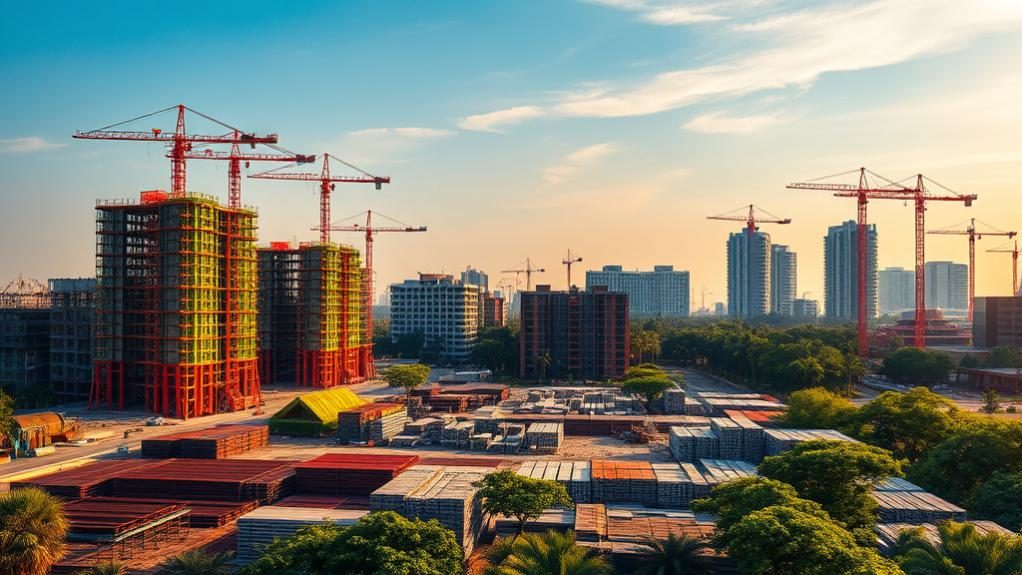
Technology is reshaping the industry, too, with AI streamlining listings, transactions, and management. Still, headwinds persist: construction costs, high interest rates, and supply chain disruptions remain stubborn.
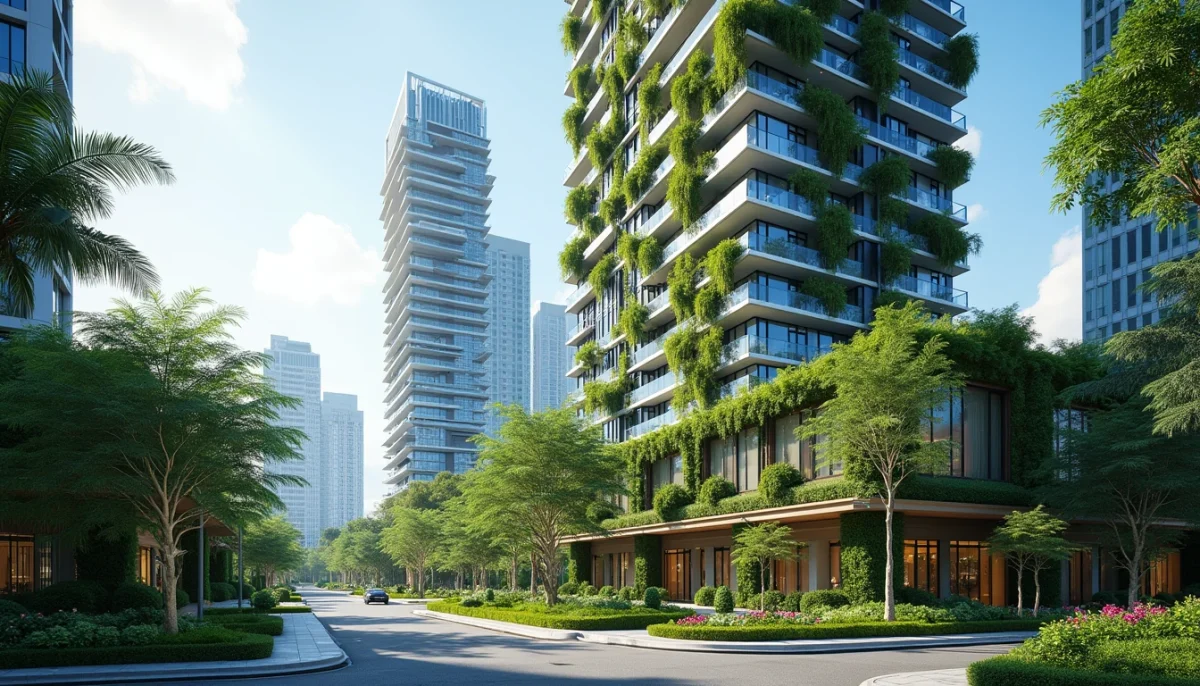
Even so, sustainable design, smart-home features, and integrated living concepts are spreading, suggesting that, while real estate can be slow to move, it rarely stands still. The most valuable properties, like The Reserve Residences, feature integrated developments that combine residential, retail, and transport facilities, maximizing both lifestyle convenience and investment potential.