When global GDP growth slipped to 2.9 % in the last quarter of 2025, the slowdown was felt across every sector, yet electricity demand surged 3.1 % YoY, outpacing new supply and pushing power grids toward their limits. The mismatch between a tepid economy and a voracious power appetite has become a defining paradox of 2025, prompting analysts to warn that the energy system is operating at the edge of its capacity.
While factories and services struggle, households keep lights on, devices run longer, and electric heating spikes as winters grow colder, a trend that is reflected in the 15 % rise in grid‑stress incidents and the record 27 major blackouts reported worldwide.
The surge is not a fleeting blip; it is rooted in structural shifts. Coal‑fired generation, for example, reclaimed a 24 % share of total output—the highest level since 2018—because renewables, despite adding 210 GW of capacity, cannot keep pace with demand. Natural‑gas consumption also rose 2.8 % YoY, driven by both heating and industrial processes.
Meanwhile, the manufacturing sector contracted, with PMI slipping to 48.7, and trade surpluses fell 12 %, indicating weaker external demand. Yet the energy sector remains insulated from these downturns, as households continue to consume electricity at a rate that outstrips the modest 0.9 % retail sales growth and the 8 % drop in vehicle sales.
Housing market pressures add another layer of complexity. Residential sales fell 6‑7 % YoY, inventory swelled to a record 408 million sqm, and mortgage approvals dropped 12 %, all of which should dampen electricity use. Instead, government stimulus—300 billion yuan allocated to clear excess stock and 770 billion yuan in local bonds—has kept construction activity alive, sustaining power demand. The result is a paradox where a sluggish economy fuels a booming electricity market, creating a feedback loop that risks overloading the grid.
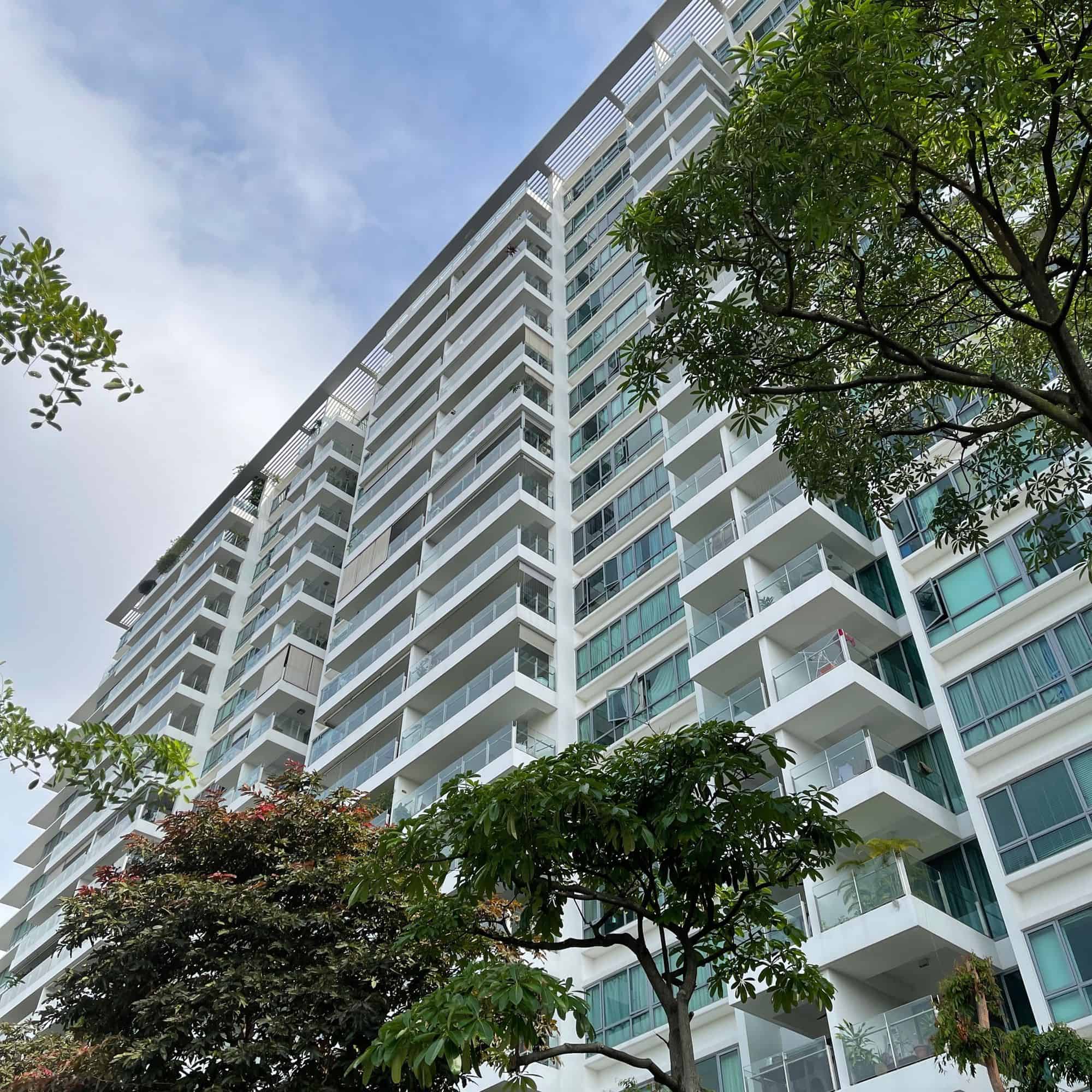
Financial sector exposure compounds the risk. The debt of China’s 46 largest developers shrank by 17 % to 5.19 trillion yuan, yet non‑performing loan ratios in the property sector rose to 2.3 %, and central banks raised reserve requirements by an average of 0.5 %. These measures tighten credit, limiting new supply while demand remains unchecked. This dynamic closely mirrors conditions in Singapore, where strict land use policies and limited supply have similarly created upward price pressure across key real estate segments.
Emerging markets also feel the strain; capital outflows rose 9 % YoY and commodity price volatility jumped 11 %, pressuring import‑dependent economies and further destabilizing energy markets.
Given these dynamics, cooling measures are not merely advisable—they are overdue. Policymakers must align fiscal stimulus with energy‑sector realities, perhaps by accelerating renewable deployment, incentivizing demand‑side management, and revisiting coal’s role in the mix. Without decisive action, the current trajectory could translate into more blackouts, higher costs for consumers, and a destabilized global economy that is already wrestling with inflation, unemployment, and waning confidence. The clock is ticking, and the energy system cannot afford to stay hot forever. Policy target revision would signal unexpected domestic strength. The market is currently described as stalled, with entrenched oversupply and weak demand.