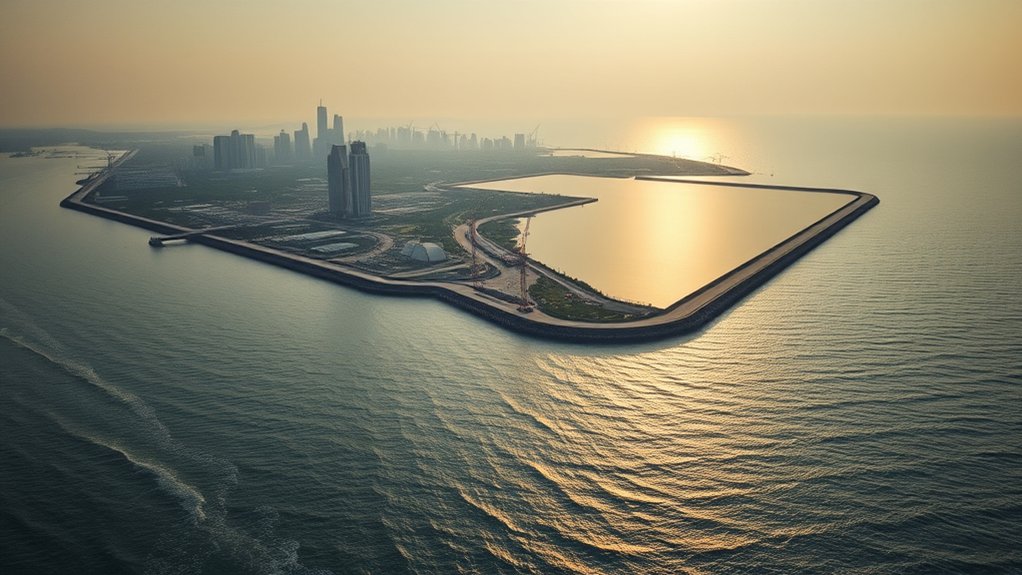
It’s not just another patch of sand; it’s a strategic buffer, a fresh reservoir, and roughly 20 km of parkland rolled into one. Singapore’s Long Island project, revealed in 2023, aims to protect the East Coast from a sea‑level rise that could push water up four to five metres during extreme tides.
The plan sketches out about 800 ha of reclaimed land—twice the size of Marina Bay—split into three new tracts set back from the current shoreline. Think of it as moving the MRT line a few stations inland to keep the old stations dry; the new land will act as a higher‑ground barrier, preserving the beloved East Coast Park while adding a massive freshwater reservoir for canoeing, dragon‑boating, and future e‑foiling.
The technical side is a marathon, not a sprint. Site investigations and seabed mapping must wrap up by April 2026, then preparatory works begin: clearing debris, shifting material into the target zone, and launching an environmental impact assessment. These preparatory works will be carried out progressively to minimise disruption to East Coast users.
Five years of studies will test engineering feasibility and nature‑based solutions—like intertidal habitats that mimic the way hawker queues naturally flow and disperse. Stakeholder engagement is already humming, with over 14,000 responses since November 2023, and groups such as Nature Society Singapore pushing for rigorous impact checks.
Environmentally, the area teems with coral reefs, seagrass beds, and nearby turtle nesting sites. Disturbing the seabed could stir silt plumes, threatening water quality—so the project includes marine‑friendly revetments and an Environmental Management and Monitoring Programme (EMMP).
The aim is to keep the marine life thriving while carving out space for recreation.
From a community lens, the new 20 km of waterfront parks will extend the current East Coast Park, letting families continue picnics and jogs without losing ground to a concrete sea wall. The reservoir adds a fresh venue for water sports, potentially becoming the next hotspot for weekend outings. This mirrors broader urban planning goals seen across Singapore, where green infrastructure integration is being embedded into new developments to foster climate resilience and sustainable living.
Sports clubs, residents, and heritage groups are all in the loop, shaping a space that feels like a natural extension of everyday life.
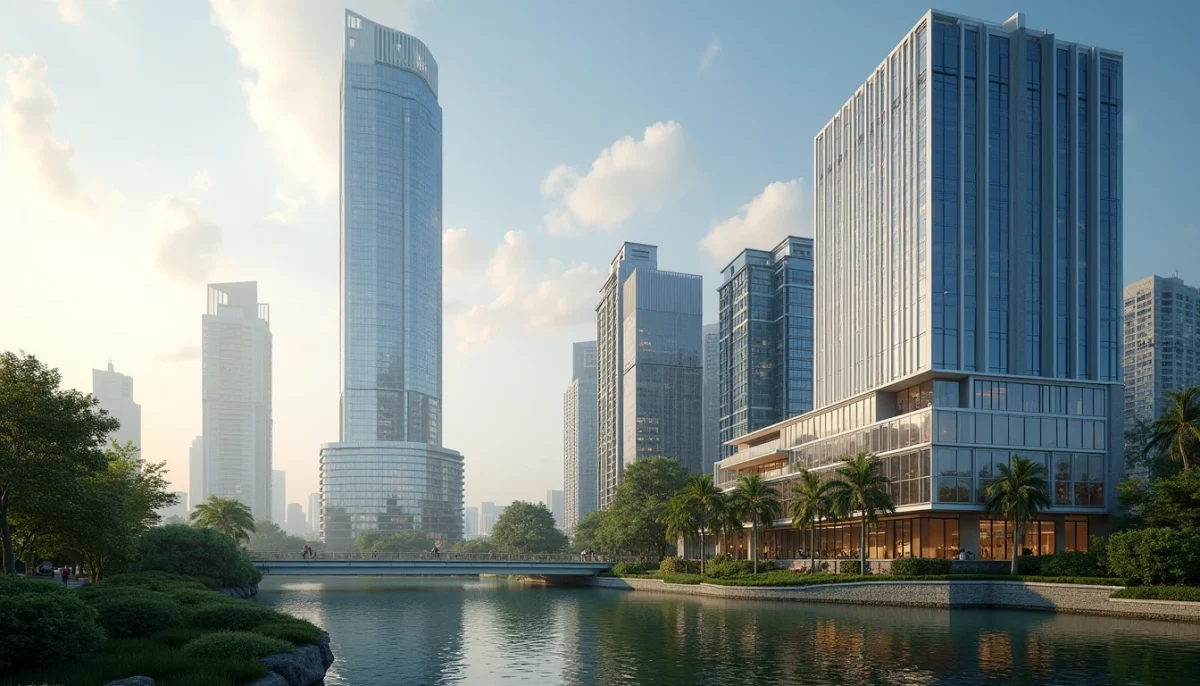
Economically, the reclaimed land opens a sandbox for waterfront homes, industrial sites, and commercial amenities. It’s comparable to 1,142 football fields—enough room for jobs in construction, tourism, and ancillary services.
The reservoir also bolsters water security, a quiet but essential boost to Singapore’s long‑term resilience. Integration with existing transport networks will guarantee the new district plugs seamlessly into the city’s fabric, much like a new MRT line that eases congestion on the old one.
Key takeaways
- Strategic buffer: Higher‑ground barrier protects against 4‑5 m tide spikes.
- Massive parkland: 20 km of new waterfront parks, a fresh reservoir.
- Environmental safeguards: Nature‑based revetments, EMMP, stakeholder input.
- Economic boost: Housing, industry, tourism, and water security.
The Long Island venture is more than a land‑grab; it’s a forward‑thinking, multi‑layered response to climate risk, recreation demand, and economic growth—all wrapped in a package that feels as familiar as a Saturday morning kopi stop.