When older condominium towers change hands, many buyers see attractive square footage and lower purchase prices, but they often miss the hidden risks built into aging structures; decades of deferred maintenance, tightening regulations, soaring insurance costs, and sudden special assessments can turn a seemingly good deal into a financial and safety nightmare.
Buyers often underestimate how long routine upkeep was postponed in buildings from the 1960s through the 1980s, and that postponement accelerates deterioration of foundations, concrete slabs, waterproofing and structural elements, increasing the real risk of emergency repairs or worse. The tragic Champlain Towers South collapse in 2021 made the consequences painfully clear, turning what had been a local concern into a national warning about the cost of neglect. Nearly 925,000 Florida units are 30 years old or older, creating widespread exposure.
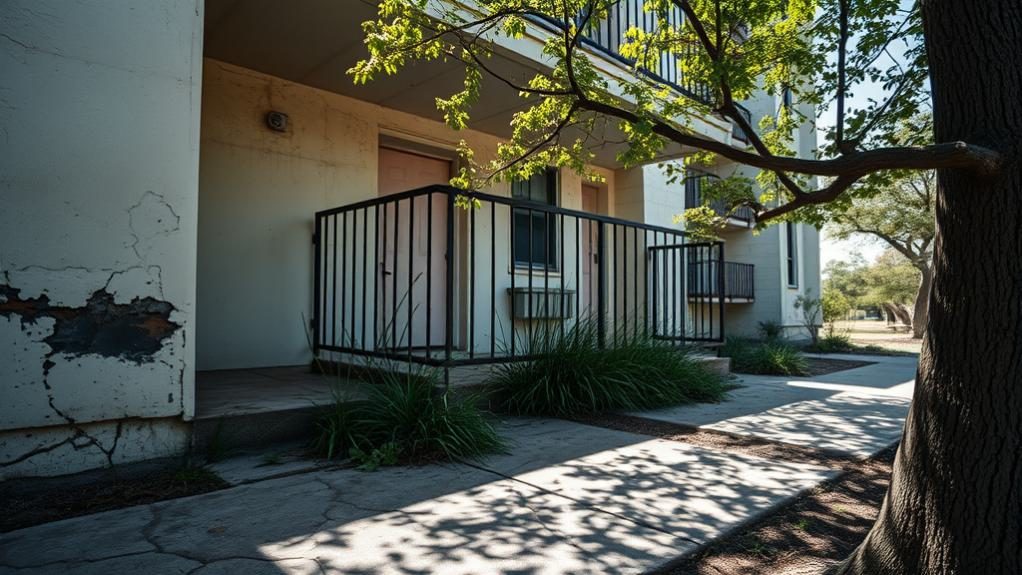
Deferred maintenance in older condos—decades of neglect can accelerate structural decay, with risks painfully underscored by Champlain Towers South.
Condominium associations usually lack the funds to fix decades-old problems all at once, so many find reserves depleted when major repairs are suddenly unavoidable. That funding gap forces mandatory special assessments that can range from the tens to the hundreds of thousands of dollars per unit, bills that often arrive with short payment windows and few easy options.
Regular HOA fees, meanwhile, trend upward to cover increased maintenance needs, higher insurance premiums, and newly required reserve contributions, which means monthly housing costs can jump unexpectedly and substantially. Much like homeowners without a will in Singapore, condo owners who fail to plan for these escalating costs may leave their heirs facing complex legal proceedings if the property changes hands unexpectedly.
Legislative changes are tightening the screws, too. New inspection rules require milestone structural checks for older condos, more frequent reviews in coastal zones, and mandatory structural integrity reserve studies for mid-rise buildings. Compliance deadlines begin as early as December 2024 for some buildings, putting immediate pressure on associations to act.
Starting in 2026 many associations cannot waive reserve contributions, guaranteeing ongoing fee increases and broader financial strain. Buildings that fail to comply risk losing access to insurance and mortgage financing, a prospect that chills buyer interest and complicates sales.
Insurance and lending markets respond quickly; premiums have spiked, some insurers have withdrawn, and major mortgage programs blacklist structurally risky properties, sharply reducing the buyer pool. The combined effect depresses market values, sometimes by 20–25% or more, and floods the market with distressed listings.
What seemed like a bargain can become a financial trap, so prospective buyers should demand recent inspections, review reserve studies, and model worst-case assessments before signing. A little diligence now can save a lot of heartache later.