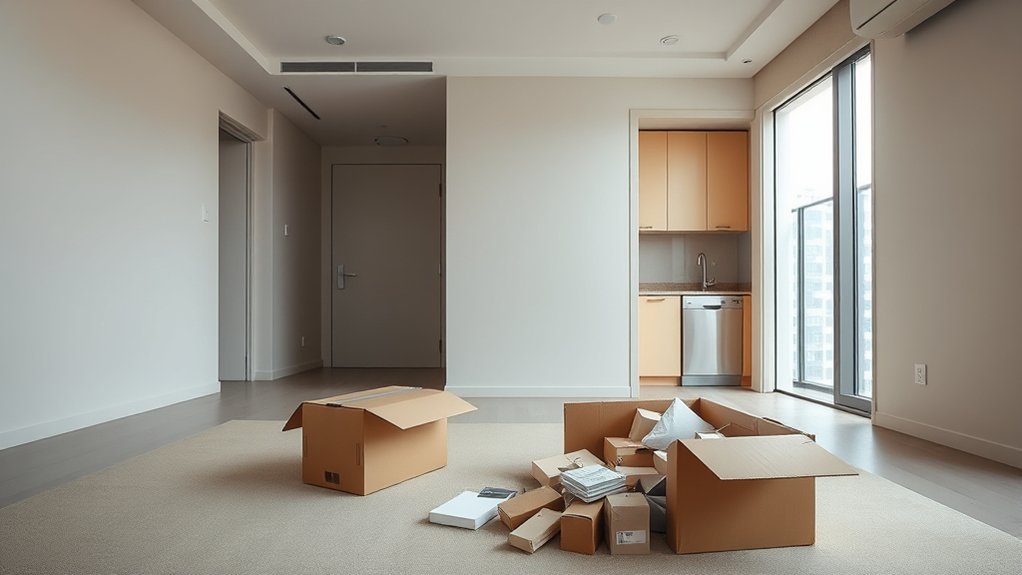
For many Singapore homeowners, the thought of leaving a spacious family flat or private condominium brings an immediate sense of loss. After raising children and building routines across decades in a five-room flat or executive apartment, moving to a smaller property can feel like a step backward in social standing or comfort. Empty bedrooms and quiet hallways carry memories, but they also bring escalating maintenance demands, higher town council fees, and substantial capital locked inside brick and mortar.
Reframing this milestone from downsizing to rightsizing changes the practical conversation. Downsizing implies settling for less, whereas rightsizing focuses on aligning your living space with your current stage of life. In Singapore’s housing landscape, moving into a properly sized home reduces daily physical upkeep, cuts recurring bills, and unlocks valuable home equity to fund retirement and healthcare needs.
The Psychological Shift from Downsizing to Rightsizing
The emotional hesitation around moving into a smaller home often stems from fear of restriction. Homeowners worry about where to store decades of accumulated belongings, whether grandchildren will still visit comfortably, and how friends might perceive the change. In reality, large homes that worked well for busy family routines become burdensome once children establish their own households.
A home that is too large demands constant attention. Cleaning unused rooms, managing air conditioning upkeep, and fixing ageing fixtures drains time and physical energy. Rightsizing eliminates these empty zones. By focusing on spaces you actively inhabit, daily living becomes simpler, safer, and far more manageable. The goal is not to compromise your lifestyle, but to eliminate unnecessary overhead so you can direct energy toward personal interests and family gatherings.
Unlocking Housing Equity and Understanding CPF Housing Refunds
The primary financial advantage of rightsizing is monetizing accumulated property value. Selling a mature estate flat or private property can release substantial gross proceeds, but homeowners must carefully account for Central Provident Fund regulations before calculating their cash in hand.
Under statutory CPF rules, whenever you sell a property bought with CPF funds, you must refund the principal amount withdrawn from your Ordinary Account along with the accrued interest that money would have earned at 2.5 percent per year. If you purchased your home thirty years ago and serviced mortgage instalments through CPF, that accrued interest figure can easily reach six figures.
For sellers aged 55 and above, this refund is not lost cash. The returned funds are deposited into your CPF Retirement Account up to the prevailing Full Retirement Sum or Enhanced Retirement Sum. These balances generate steady, risk-free interest rates and form the capital foundation for the CPF LIFE lifelong monthly payout scheme, ensuring predictable monthly cash flow from age 65 onwards. Any remaining net cash balance beyond the required CPF commitments goes directly into your bank account as liquid retirement funds.
Housing Options: 2-Room Flexi Flats, CCAs, and Resale Alternatives
Singapore offers structured public housing options tailored specifically for older buyers seeking smaller, well-designed homes. Navigating these pathways requires understanding the eligibility guidelines outlined in the CPF housing guide for members aged 55 and above.
One of the most practical pathways is the HDB 2-Room Flexi scheme. Singapore citizens aged 55 and older can purchase 2-room flats on short leases ranging from 15 to 45 years in five-year increments, provided the chosen lease length covers the youngest applicant until at least age 95. Because buyers pay only for the years they need rather than a full 99-year lease, purchase prices are significantly lower. Many seniors acquire these units entirely in cash without taking on new debt, leaving their remaining sales proceeds intact.
For seniors who desire integrated medical and social support, Community Care Apartments offer an assisted living model. These flats combine senior-friendly residential fittings with a mandatory basic services package that provides 24-hour emergency monitoring, wellness programs, and dedicated communal spaces.
Alternatively, homeowners who prefer wider living areas or want to remain in their existing neighbourhood often choose 3-room or 4-room resale units. While resale flats command market prices, they allow buyers to select mature estates with proven amenities. Those weighing this route should examine the long-term trade-offs covered in our analysis of demand and considerations for older HDB resale flats.
Government Monetization Incentives and Senior Grants
The Housing and Development Board provides dedicated financial incentives to help eligible seniors supplement their retirement income when adjusting their housing arrangements.
The Silver Housing Bonus is designed for seniors selling a larger flat or private property and buying a 3-room or smaller resale or new flat. Under this scheme, eligible seniors who top up a designated portion of their net sales proceeds into their CPF Retirement Account can receive a cash bonus of up to S0,000. This bonus directly boosts liquid retirement reserves while reinforcing monthly CPF LIFE payouts.
For seniors who want to monetize their housing wealth without relocating, the Lease Buyback Scheme provides another viable avenue. Under this program, owners of 3-room, 4-room, or 5-room flats who have reached age 65 can sell the tail-end lease of their flat back to HDB while retaining a lease that covers them to age 95. In return, they receive cash bonuses and RA top-ups, remaining in their beloved family home for life.
In addition, HDB offers the Enhancement for Active Seniors program, which subsidizes practical home retrofitting. Seniors can install bathroom grab bars, non-slip floor treatments, and gently graded ramps at a fraction of standard commercial contractor rates, making smaller homes safe and barrier-free.
Ongoing Cost Reductions from Property Taxes to Maintenance
Beyond capital gains, rightsizing generates recurring monthly and annual operational savings that significantly lower daily living expenses throughout retirement.
Property tax is calculated based on the Annual Value of your home. Large private condos and executive flats often sit in higher tax brackets, resulting in four-figure annual tax bills. In contrast, smaller HDB flats benefit from substantial owner-occupier concessions, as shown in the tiered IRAS owner-occupier property tax rates. For 3-room and 4-room flats, property taxes remain modest, and lower-tier units frequently enjoy rebate offsets that reduce annual tax liabilities to minimal sums.
Town council Service and Conservancy Charges for smaller flats typically range between S0 and S5 per month with citizen subsidies. Comparing that to private condominium maintenance fees, which easily range from S50 to over S00 per month for sinking funds and common amenities, reveals substantial permanent overhead reductions. Homeowners planning their transition budget should carefully assess mortgage terms and cash commitments, keeping in mind the financing realities detailed in our guide to financing options and loan trade-offs.
Navigating the Transition from Private Property to HDB Resale
Private condominium and landed property owners often face distinct regulatory and logistical questions when rightsizing into public housing. In previous years, private homeowners had to factor in statutory waiting periods before purchasing non-subsidized resale flats.
Following recent policy adjustments, the Singapore government announced the official removal of the 15-month wait-out period for private property owners purchasing non-subsidized HDB resale flats. This policy change removes an artificial barrier, allowing retirees and empty nesters to sell their private properties and transition smoothly into resale flats without enduring temporary interim rental leases or disrupting their family routines.
Rightsizing is not a concession to age or circumstance; it is a proactive strategy to convert dormant property equity into steady monthly income, lower monthly expenses, and simplify daily living. By approaching the transition with clear financial planning, homeowners can enjoy greater autonomy, financial security, and peace of mind in a home that genuinely fits their needs.