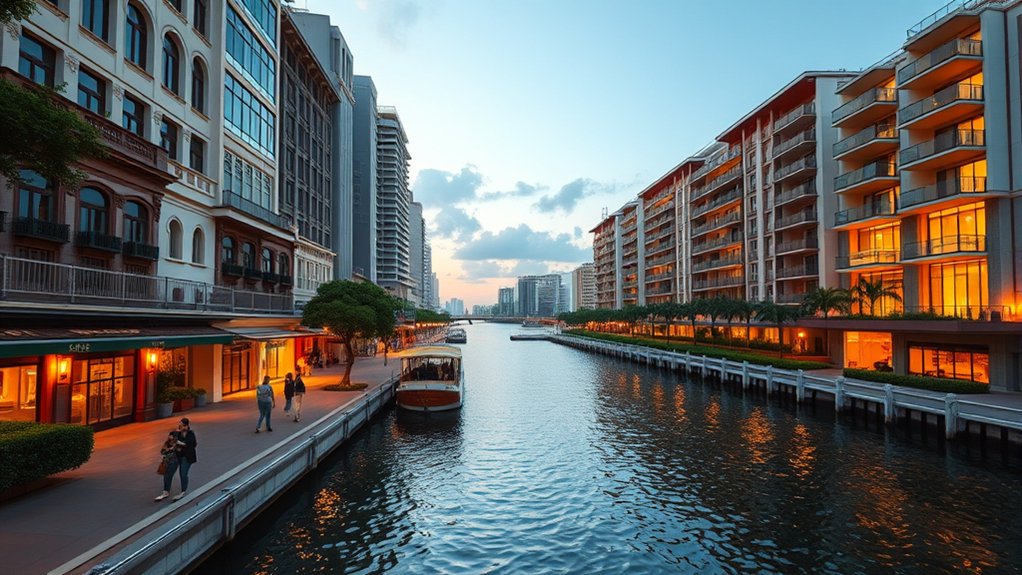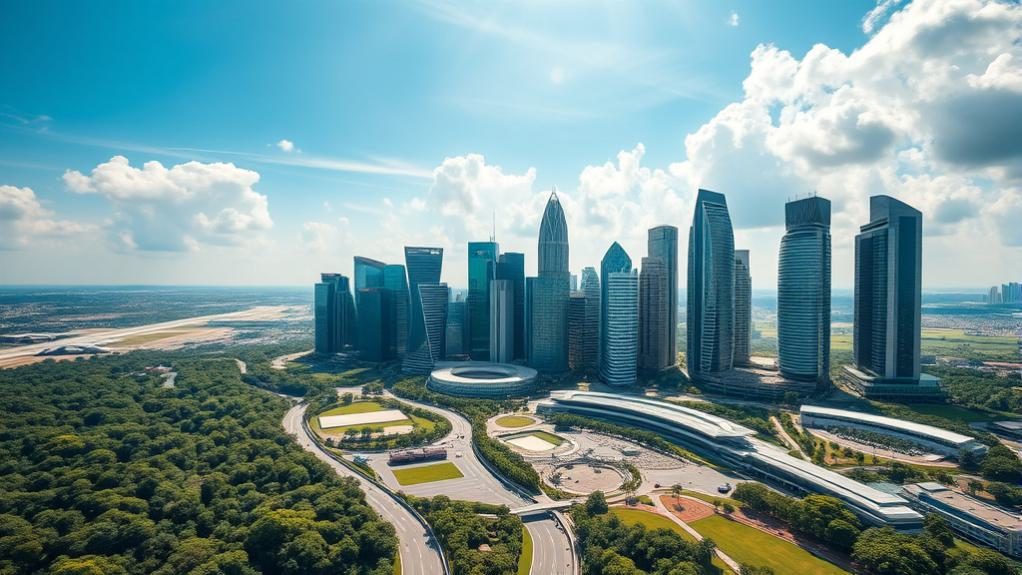
Imagine a skyline stretching higher near Singapore’s bustling airports, a vision that might soon become reality. On May 22, 2025, Transport Minister Chee Hong Tat announced that Singapore is reviewing height limits for buildings near its airports, a move that could reshape the city’s landscape.
The Civil Aviation Authority of Singapore (CAAS) is spearheading a global effort to update these restrictions, with new standards expected by August 2025. If approved, residential buildings could soar up to 15 storeys taller, while commercial and industrial structures might rise by nine storeys, releasing a world of possibilities for developers and residents alike.
This isn’t just about taller buildings; it’s about maximizing space in land-scarce Singapore, where going vertical is often the smartest solution. Relaxing height limits could boost gross floor area by 100 to 200 percent for residential projects, a massive jump that property market observers are cheering. Analysts also predict that such changes could significantly increase land value near airports, making redevelopment a lucrative prospect for property owners.
Maximizing space in land-scarce Singapore means going vertical. Relaxing height limits could double or triple residential floor area, thrilling property market watchers.
Nearby properties might see higher plot ratios, which determine how much floor space can be built on a given plot. In simpler terms, this policy tweak could turn modest developments into towering opportunities, breathing new life into areas once held back by strict rules. Who wouldn’t want a chance to live or work in a revamped, modern space? This initiative aligns with Singapore’s broader goal of optimizing limited land space for sustainable urban growth, potentially adding more housing units per building.
Currently, CAAS enforces tight controls near airports for aviation safety, requiring consultations for buildings in designated zones or those exceeding 150 meters above sea level in certain areas. These restrictions have long limited development potential, but change is on the horizon.
Property values near airports could climb as developers eye the potential for bigger projects, and urban planning might shift to accommodate more flats and offices on the same small plots of land.
Experts like Professor Sing Tien Foo from NUS Business School are already analyzing how many extra units or square feet this could realistically add. While balancing safety and growth remains key, the excitement is palpable.
If Singapore pulls this off, it could set a global example, much like Malaysia did in 1998 when lifting caps near Subang International Airport led to 33-floor towers. Singapore’s skyline might just get a bold new look—stay tuned!