Compulsory Acquisition: 21 Flats Forfeited for MOP Non-Occupancy
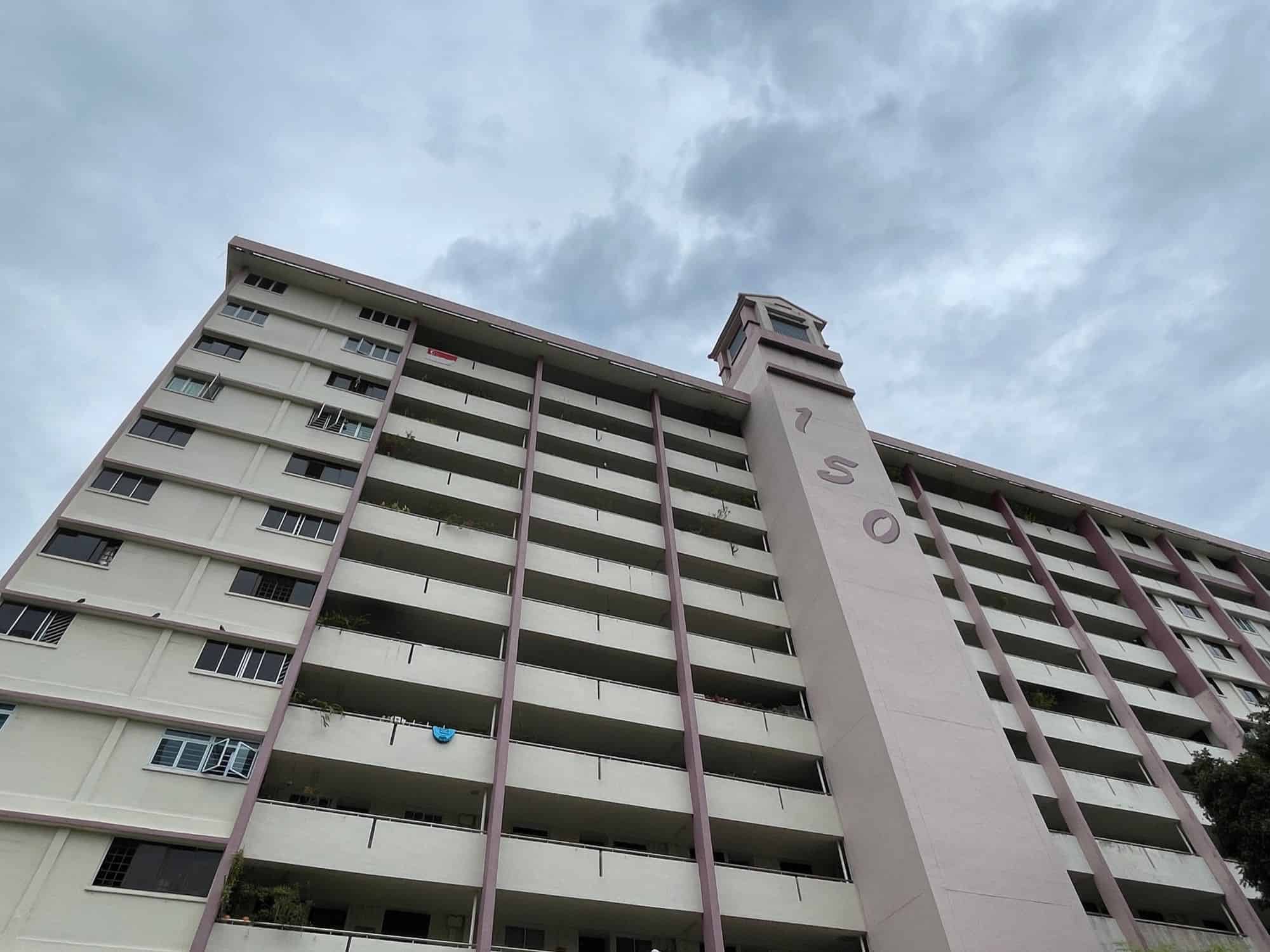
Public debate over public housing integrity intensified after media reports revealed vacant Build-To-Order (BTO) flats being marketed on property portals in pristine, untouched condition right upon reaching the five-year mark. In parliamentary replies, the Ministry of National Development confirmed that between January 2017 and November 2022, HDB took enforcement action against 53 flat owners who failed to physically occupy their flats during the required window. Of those 53 cases, 21 flats were compulsorily acquired by the Housing and Development Board (HDB)—comprising six BTO units and 15 resale flats.
The remaining 32 flat owners received written warnings or financial penalties of up to $50,000. Under Singapore’s public housing framework, every subsidized flat is meant primarily as an owner-occupied home rather than an asset to leave idle for capital appreciation. To understand the baseline rules governing all public housing tenures, buyers must follow the requirements of the minimum occupation period (MOP) in Singapore. HDB has repeatedly warned that leaving a unit vacant, treating it as an investment placeholder, or creating sham rental arrangements breaches lease agreements and statutory law.
Legal Grounds Under Section 56 of the Housing and Development Act
HDB does not rely merely on administrative rules when repossessing flats; its enforcement powers are anchored in national legislation. Under Section 56 of the Housing and Development Act 1959, the Board holds statutory authority to compulsorily acquire any flat sold under Part 4 of the Act if specific statutory conditions are breached.
The Act outlines several clear grounds for compulsory acquisition:
- Ceasing physical occupation: The flat owner or authorized occupier stops occupying the flat as their primary residence without written authorization from HDB.
- Unauthorized letting or subletting: The property is assigned, sublet, or parted with possession without the Board’s prior formal approval.
- Misrepresentation: The flat was obtained through false statements, material omissions, or misrepresentation during the application process.
- Breach of statutory covenants: The owner fails to comply with any prescribed condition, covenant, or rule governing public housing tenure.
As detailed in the Ministry of National Development parliamentary reply on errant flat owners, Section 56 also allows HDB to impose a financial penalty of up to $50,000 in lieu of or alongside repossession. Owners served with an acquisition notice have 28 days to submit an appeal to the Minister for National Development, whose decision is final. Compensation for compulsorily acquired flats is determined solely by HDB under Section 57 and Section 58, which deducts outstanding mortgages, administrative costs, and penalty levies rather than paying market value.
How HDB Detects Non-Occupancy and Ghost Units
Detecting absentee flat owners relies on structured enforcement rather than passive observation. HDB maintains several detection mechanisms across the island:
- Routine physical inspections: HDB carries out roughly 500 random door-to-door inspections every month. Between 2017 and 2022, inspection officers visited more than 35,000 homes to verify genuine physical occupation and detect unauthorized leasing.
- Resale portal audits: Enforcement teams actively monitor property portals. Listings advertising flats in “original BTO condition,” uninstalled sanitary fittings, or wrapper-sealed kitchen fixtures trigger immediate investigative audits before sales can proceed.
- Pre-resale technical inspections: Every flat transacted on the resale market undergoes a mandatory physical inspection by an HDB technical officer. Suspected “ghost units” that show no sign of real occupation are halted on the spot.
- Utility consumption tracking: HDB cross-references water and electrical consumption records with SP Group. Extended periods of zero or negligible consumption provide objective data indicating non-residence.
- Public feedback channels: Between 2017 and 2022, HDB received around 4,700 tip-offs and feedback reports regarding suspected non-occupancy and illegal leasing.
The Council for Estate Agencies (CEA) concurrently regulates property agents. Agents marketing units that breach residency rules face disciplinary action. Between 2017 and 2022, CEA investigated 51 cases involving 69 agents, resulting in suspensions of up to 48 weeks, fines up to $5,000, and letters of censure.
Subletting Rules: Whole-Unit Rental vs Renting Out Bedrooms
A recurring area of confusion among flat buyers involves the boundary between permitted room rentals and illegal subletting. During the five-year occupation period, renting out the entire flat is strictly prohibited. Only Singapore Citizens who have fulfilled their full MOP may apply to sublet their entire flat, subject to HDB approval and non-citizen sub-quota limits.
During MOP, owners of three-room or larger flats may rent out individual bedrooms under strict criteria:
- The flat owner and all authorized occupiers must physically reside in the unit alongside the subtenants throughout the tenancy.
- Prior formal registration of all subtenants with HDB is legally mandatory before the tenancy starts.
- Internal partitions cannot be installed to create extra rooms or modify the approved layout.
- Owners cannot lock up one bedroom (the “master bedroom lock-up”) to fake occupancy while residing elsewhere and renting out the remaining space.
HDB treats locked-room schemes as illegal whole-unit rentals. Flat owners seeking clarity on room registration, occupier declarations, and allowable tenancy terms should review the official regulations on renting out HDB before MOP to prevent compliance violations that could risk flat forfeiture.
Debarment and Long-Term Consequences of Compulsory Acquisition
Losing a flat through compulsory acquisition carries financial and administrative penalties that outlast the immediate forfeiture. Compensation under Section 56 is determined by HDB based on historical purchase costs, depreciation, administrative deductions, and the clawback of housing subsidies. Where outstanding bank loans or CPF grants remain, owners frequently walk away with little equity or net liabilities.
Beyond financial losses, HDB imposes severe administrative restrictions:
- Debarment from public housing: Errant owners face a mandatory debarment period—typically five years—during which they cannot buy a new subsidized BTO or Sale of Balance Flats (SBF) flat.
- Loss of housing grants: Even after the debarment period concludes, future public housing purchases will not be eligible for CPF Housing Grants.
- Prohibition on ownership transfers: Debarred individuals cannot take over an HDB flat through an ownership change, gift, or inclusion as an essential occupier.
- Rental flat disqualification: Offenders are barred from renting public flats under HDB rental schemes.
These penalties effectively exclude errant owners from Singapore’s subsidized housing system, leaving open-market private housing as their only alternative.
Genuine Hardship and Navigating MOP in a Changing Housing Regime
HDB distinguishes between deliberate rule flouting and genuine, unforeseen changes in personal circumstances. Between January 2017 and December 2022, 258 BTO flats and 168 resale flats were returned to HDB before MOP completion. These surrenders were caused by changes such as divorce, legal separation, death of a co-owner, severe medical conditions, or overseas work postings.
Flat owners experiencing genuine hardship should never vacate their flats quietly or resort to unauthorized rentals. Instead, owners must submit a formal appeal to HDB setting out their circumstances. On a case-by-case basis, HDB can grant a temporary waiver of the occupation requirement, approve an early surrender of the flat without debarment penalties, or permit an open-market sale under special approval.
Compliance is especially vital under Singapore’s updated public housing framework. While Standard flats retain the five-year occupation rule, Plus and Prime flats come with a 10-year MOP and permanent restrictions against whole-unit leasing. Buyers reviewing upcoming projects in the February 2027 BTO review across Bishan, Tampines, Toa Payoh, and Tengah must factor these extended occupation requirements into their long-term plans. In Singapore public housing, fulfilling physical residency remains an absolute statutory obligation.

SG Property News Editorial Team, led by experienced Singapore real estate analysts, specialising in URA masterplans, MAS macro-economic policies and the property taxation. We read daily news and curated the best for your quick reading and knowledge of the Singapore property market.

One thought on “21 Flats Compulsorily Acquired by HDB for Failure to Meet MOP”