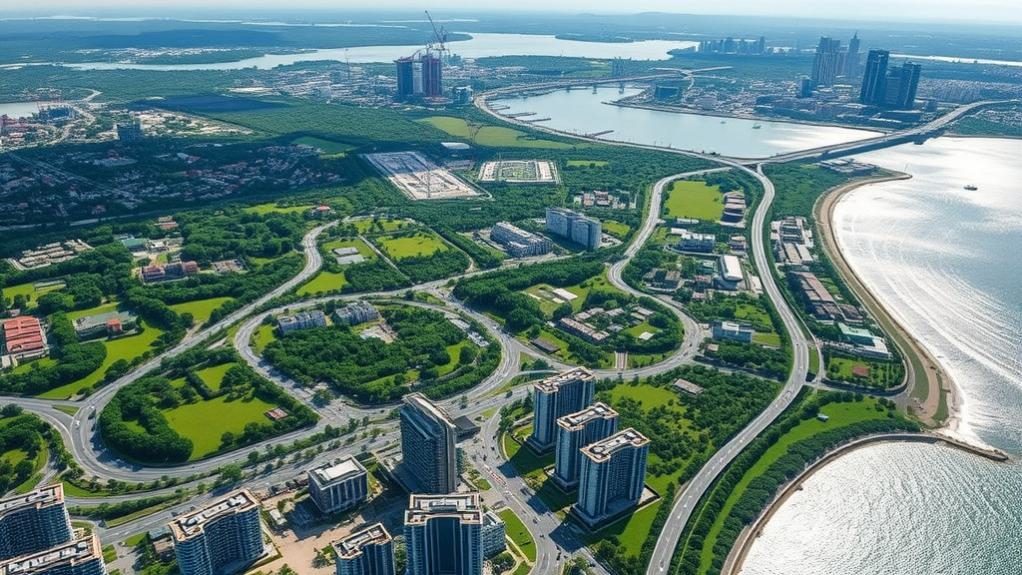
As Singapore continues to evolve into a global powerhouse, its Western Region is undergoing a remarkable transformation that promises to reshape the lives of residents and businesses alike. Under the Urban Redevelopment Authority’s 2025 Master Plan, this often-overlooked part of the city-state is gearing up to become a vibrant hub of opportunity, innovation, and community. Imagine a place where work, home, and play blend seamlessly—well, that’s the vision taking shape right now.
One of the biggest changes is the rise of economic and innovation hubs, with the Jurong Lake District set to be Singapore’s largest mixed-use business and leisure precinct, creating over 100,000 new jobs by 2040. Nearby, the Jurong Innovation District will focus on advanced manufacturing and research, linking industry with housing for a truly integrated lifestyle. This transformation aligns with the URA’s vision to decentralize economic activities and bring opportunities closer to residential areas across the island.
The Jurong Lake District is set to become Singapore’s largest mixed-use hub, promising over 100,000 new jobs by 2040.
Then there’s the Tuas Port expansion, aiming to handle a staggering 65 million containers annually by 2040, all while prioritizing automation and sustainability. It’s clear the West is becoming a powerhouse in its own right, and with a decentralization strategy bringing jobs closer to homes, long commutes might soon be a thing of the past.
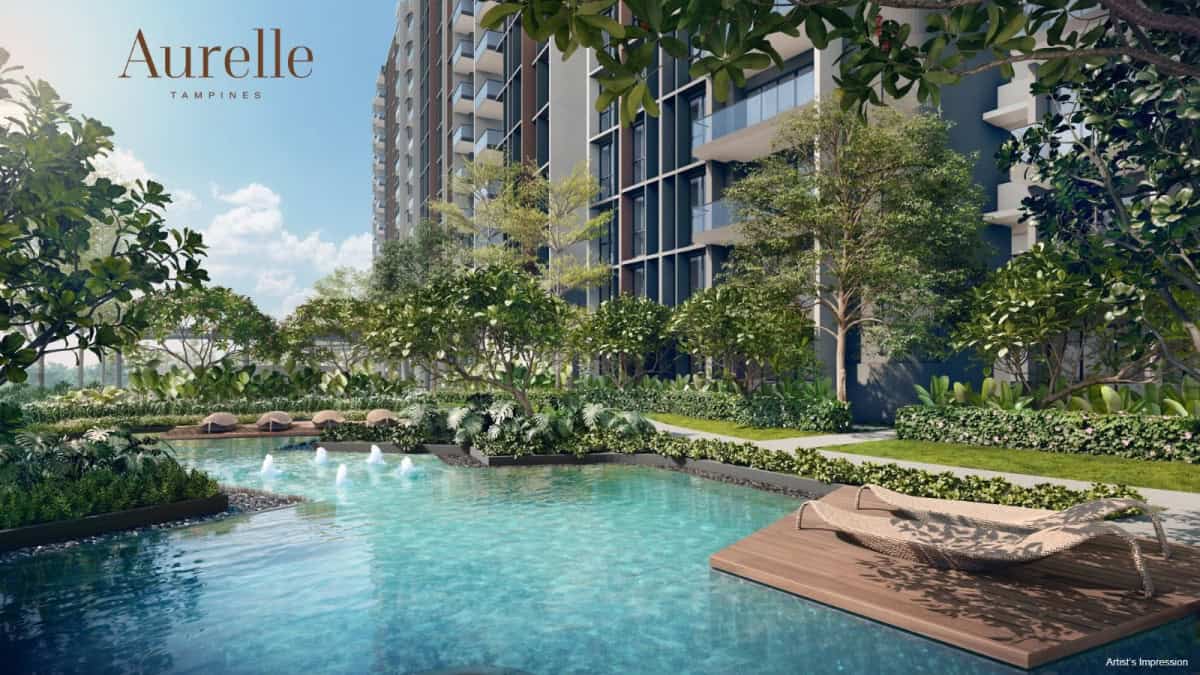
Housing and community growth are also at the heart of this transformation. Around 80,000 new homes are planned in areas like Dover and Tengah, part of a nationwide push for 220,000 units by 2035. These aren’t just houses—they come with schools, recreation centers, and amenities to build lively neighborhoods. Notably, Tengah is being developed as Singapore’s first Forest Town, emphasizing green infrastructure and sustainable living. This approach mirrors successful developments like Tampines, where the new master plan ensures most homes are within 400 meters of green spaces or park connectors.
Even heritage spots like the former Jurong Bird Park are getting a modern twist, blending history with new mixed-use spaces.
Connectivity is another game-changer, with six MRT lines, including the Jurong Region Line, set to serve the region by 2035. The Jurong East Integrated Transport Hub will make switching between trains and buses a breeze, while new cycling paths and mobility corridors encourage a car-lite lifestyle.
Add to that the “City in Nature” vision, with over 25 new parks and 50 kilometers of park connectors by 2030, and you’ve got a greener, more livable West. From Jurong Lake Gardens to wetland reserves, nature and urban life are finding a beautiful balance here.


2 thoughts on “Singapore’s Western Region Set for Major Transformation Under URA’s 2025 Master Plan”