While urbanization typically conjures images of concrete jungles, a distinct trend in 2026 finds suburban areas rapidly evolving into bustling lifestyle centers. Drivers of this transformation, specifically Millennials and Baby Boomers, are unexpectedly flocking to the suburbs, yet they refuse to leave the perks of city living behind.
Consequently, developers are responding by creating new dense, bustling towns that offer highly desirable walkable amenities right outside one’s doorstep. It seems everyone wants the quiet of the suburbs combined with the accessible coffee shops of the city, a unique combination that is quickly redefining the residential map.
Families and professionals alike are migrating toward these innovative regions to find a sweet spot between affordability and quality of life. Interestingly, buyers now generally pay substantial premiums for homes located near walkable amenities, proving that convenience often trumps massive square footage.
This massive shift is happening against a tough backdrop of a severe national housing shortage, with the U.S. currently lacking approximately 2.8 million units due to restrictive, outdated zoning limits. Since about 75% of metropolitan residential land was historically zoned only for single-family homes, the pressure to densify these areas is intense.
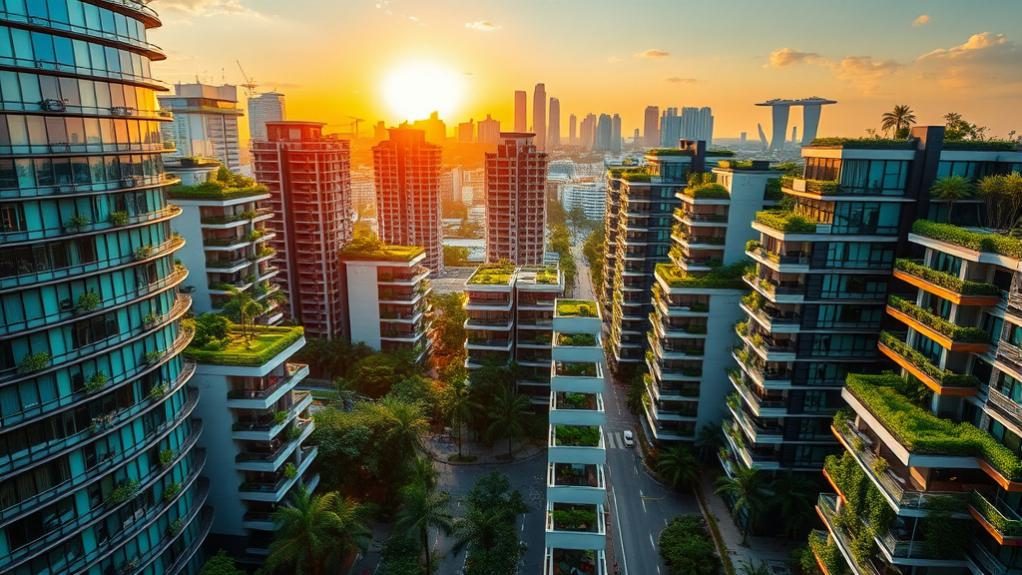
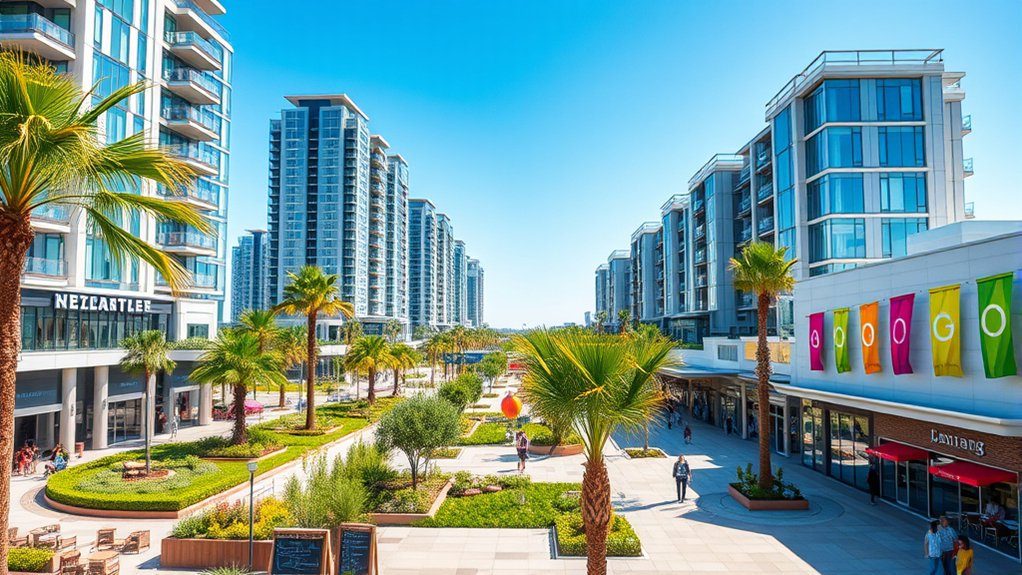
To properly meet this surging demand, bold mixed-use projects are popping up nearly everywhere. These developments combine residential units, office spaces, retail shops, and green areas into cohesive “mini-downtowns.” Investors are now actively pursuing sustainable developments within these projects to ensure they deliver both financial and social returns.
For example, Highpoint on Columbus Commons features 301 residential units stacked above 25,000 square feet of commercial space. This project revitalized the downtown area by offering residents resort-like amenities including a clubhouse, pools, and outdoor grills. Whether vertical, where retail sits below apartments, or horizontal, where properties complement each other side-by-side, these layouts reduce travel time considerably.
Developers are even repositioning old shopping centers with office, retail, and residential mixes. Recent data shows luxury apartment sales have more than doubled compared to previous years, particularly in properties above the ₹1 crore mark. Places like Fishers, Indiana, are anchoring growth through critical infrastructure and mixed-use investments, creating vibrant hubs where people live, work, and play in unison.
Additionally, a cultural shift currently favors rentals over ownership, as residents prioritize lifestyle flexibility over a traditional mortgage.
As 2026 unfolds, these suburban centers are no longer just quiet bedroom communities; they are becoming destinations in their own right, reshaping how communities interact. Zoning reforms now accelerate to allow duplexes, broadening local housing options considerably.