While Singapore has long celebrated its economic success and high standard of living, the city-state’s first official wealth inequality data, released by the Ministry of Finance in February 2026, reveals a more nuanced picture of how prosperity is distributed among its residents.
The numbers tell a striking story. The wealthiest 5% of households control 33% of total household wealth, while the top 1% alone holds 14%.
Breaking it down further, the top 20% average approximately S$5.3 million in wealth, compared to the bottom 80% collectively holding around S$3.5 million. Singapore’s wealth inequality Gini coefficient stands at 0.55, considerably higher than its income inequality measure of 0.38 after taxes and transfers.
Before anyone panics about these figures, context matters here. Singapore’s wealth concentration actually looks fairly moderate compared to other developed nations.
The wealth Gini of 0.55 sits comfortably below the United Kingdom, Japan, and Germany, which range from 0.6 to 0.7. In the United States, the top 1% commands a staggering 35% of national wealth, while countries like Australia, Japan, and South Korea see their top 1% controlling 20% or more.
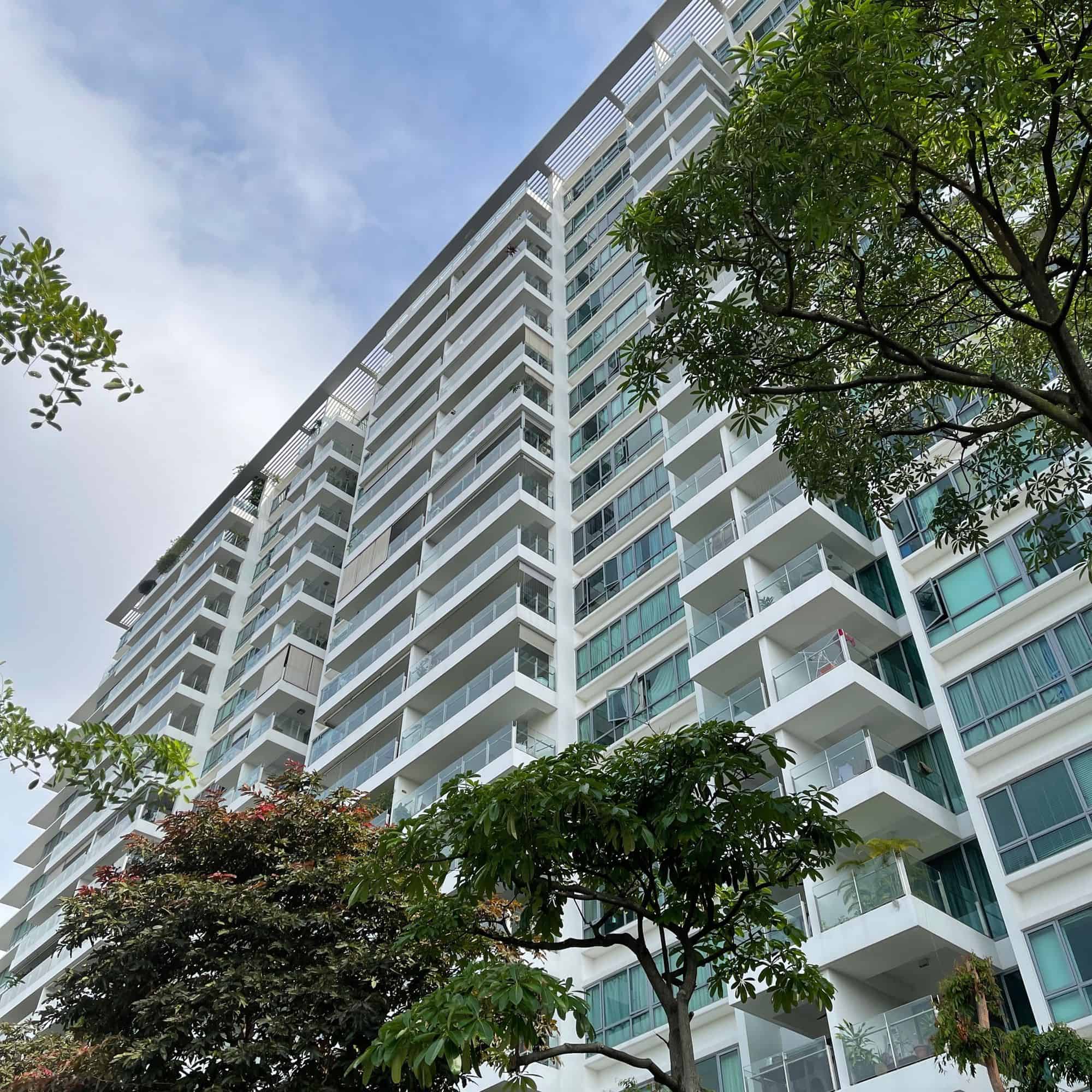
What makes Singapore’s situation somewhat different is the composition of household wealth. Significant portions come from owner-occupied housing and Central Provident Fund savings, particularly among lower- and middle-income families. For CPF members, retirement accounts earn up to 6% annually after age 55, helping boost long-term wealth accumulation for those approaching retirement.
Government policies have successfully enabled broad-based asset ownership across income levels, creating wealth accumulation pathways that weren’t available in previous generations. The government plans to track the wealth Gini over time and consider additional indicators in the next Household Expenditure Survey scheduled for 2028.
The government acknowledges that wealth inequality naturally exceeds income inequality across all advanced economies, partly because wealth accumulates over individual lifecycles. They’re keeping close watch on these trends and remain open to shifting more tax burden toward wealth in the future.
The current property tax system already operates progressively, targeting higher-value properties with steeper rates, and the focus remains on less mobile assets like property and motor vehicles. For asset-rich but income-poor seniors, the government offers deferral mechanisms and interest-free instalment plans for property tax payments.
Officials plan to continue tracking wealth inequality trends using enhanced data methodology, ensuring policies adapt to changing economic realities while maintaining Singapore’s competitive edge.