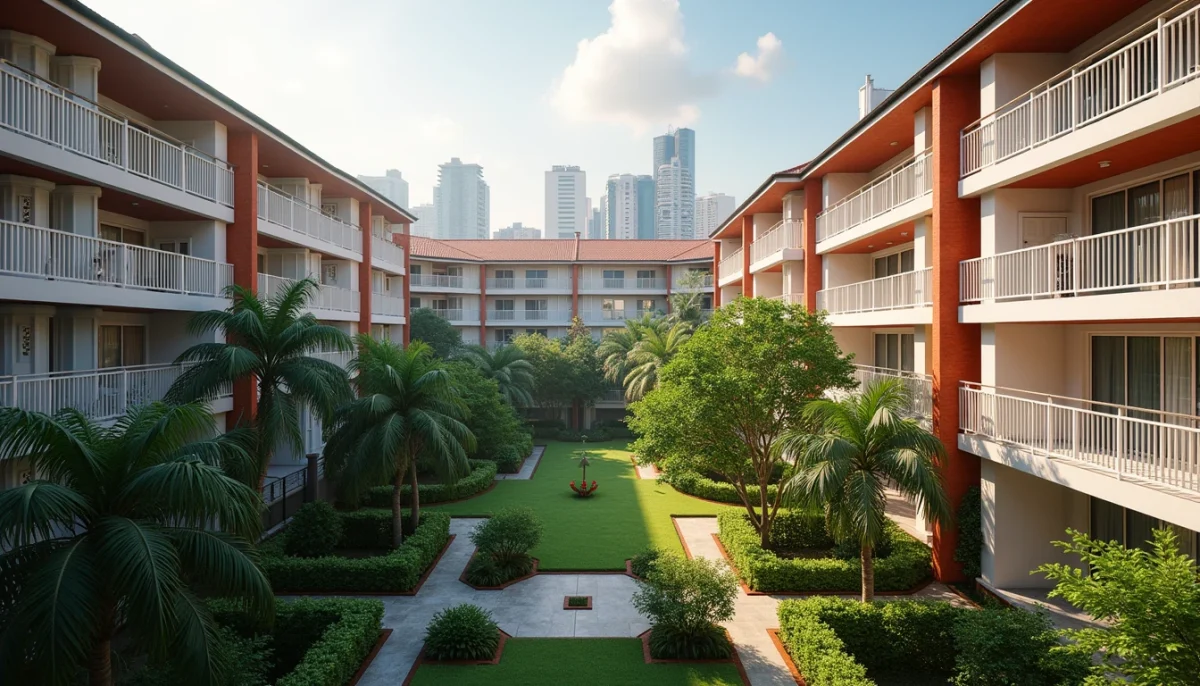
A modest dip in the HDB resale market has finally broken a seven‑year streak of steady or stagnant growth, as the price index slipped to 203.4 in the first quarter of 2026 – a 0.1 % decline that translates to roughly SGD 200–300 per square metre. This marks the first fall since 2019 and ends five quarters of either flat growth or modest slowdown. The overall shift from expansion to contraction is evident in the 4.5 % year‑on‑year drop in resale transactions, which fell to 6,179 units in Q1 2026, mirroring an 18.8 % plunge recorded in the previous quarter.
HDB resale index drops to 203.4 in Q1 2026, ending a seven‑year growth streak.
The index, while still above the 200‑point threshold set in 2020, shows a near‑zero annual growth rate, down from 2.9 % in 2025. In 2019 the index stood at 197.5, indicating a long‑term upward trend that has now plateaued. Median resale prices across towns changed only marginally from the prior quarter, suggesting that the dip is broadly felt rather than confined to a few locales. For example, a 3‑room flat in Ang Mo Kio now averages SGD 583,900, while a 4‑room unit in Bukit Merah is around SGD 925,000, and a 5‑room flat in Woodlands averages SGD 888,000.
Buyer caution appears to be the main driver behind the reduced volume. Elevated mortgage rates and uncertain macroeconomic conditions have made prospective owners more hesitant, a sentiment echoed by HDB’s advice to exercise prudence. The 15-month wait-out rule, introduced in September 2022 to restrict private property owners from purchasing non-subsidised HDB resale flats, may also be reviewed as market conditions continue to stabilize.
Meanwhile, the upcoming June BTO exercise, slated to release about 6,900 new flats across towns such as Ang Mo Kio, Bishan, Bukit Merah, Sembawang and Woodlands, is expected to siphon demand away from the resale segment. The additional supply could further stabilize or even push resale prices lower, especially as the resale market share of total HDB transactions has slipped below 30 % for the first time.
Policy measures introduced since 2021, including cooling mechanisms, continue to temper price acceleration. The National Development Minister has hinted that BTO supply could be increased if demand remains robust, a move that would reinforce the current downward pressure.
Ultimately, the price trajectory will hinge on broader economic factors like GDP growth moderation and labor market health, making the next few quarters a critical period for Singapore’s public housing market. The BTO exercise will add approximately 6,900 new flats to the market. This large supply is expected to ease competition in the resale sector.