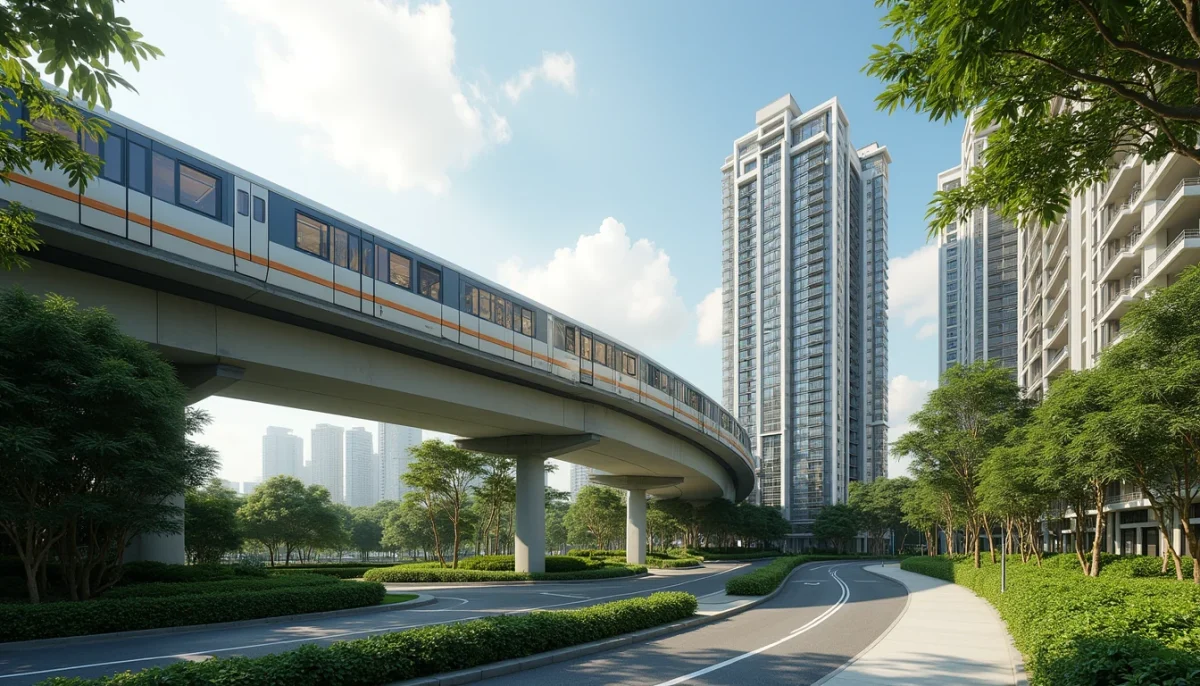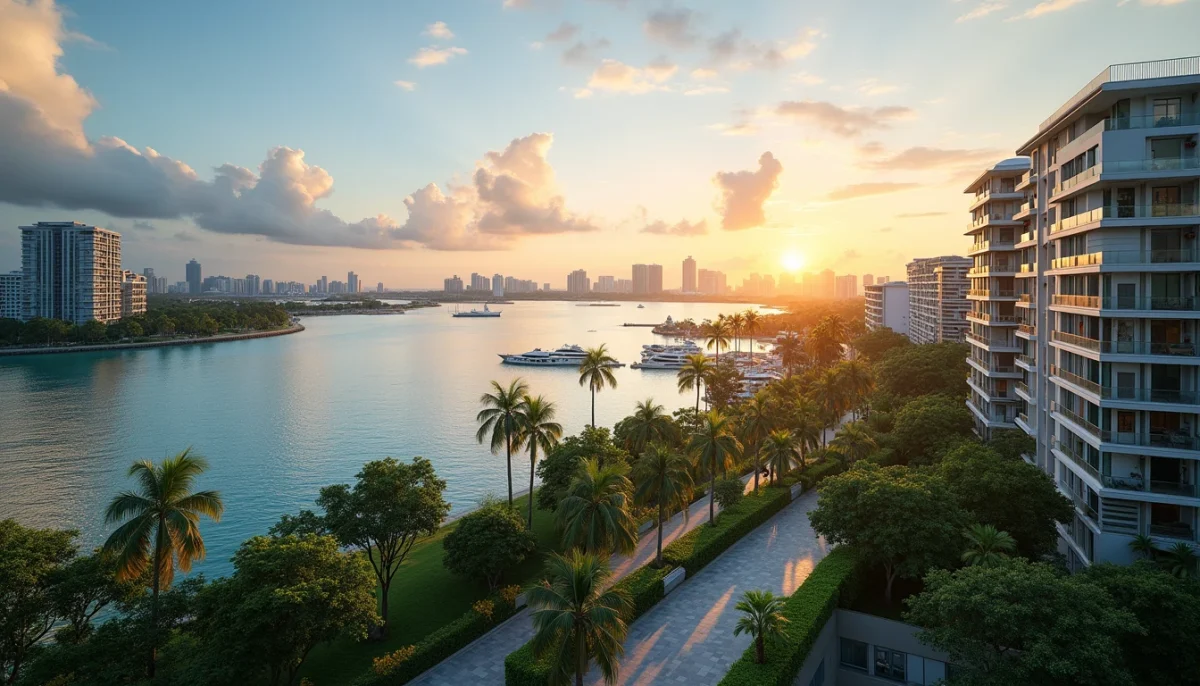
For more than six decades, the towering grain silos and industrial silhouettes of 201 Keppel Road have stood as an unmissable landmark along Singapore’s southern shoreline. Home to Singapore’s first flour mill, established in 1961 by food pioneer Prima, and once crowned by the iconic Prima Tower Revolving Restaurant, the 24-hectare HarbourFront precinct has long preserved a quiet, industrial character amidst a rapidly modernizing metropolis.
That chapter is now formally drawing to its conclusion. In an important development reported by The Business Times, Prima has confirmed that it will vacate its historic Keppel Road facility by January 31, 2028, following a nine-month lease extension granted by landlord Mapletree Logistics Trust (MLT).
While the departure of a 65-year-old corporate pioneer marks the closing of an industrial heritage milestone, for Singapore’s urban landscape and real estate investors, it delivers something far more significant: a concrete, physical milestone anchoring the timeline of the Greater Southern Waterfront (GSW).
A 24-Hectare Redevelopment Canvas for Mapletree and the GSW
The site at 201 Keppel Road encompasses over 40,000 square metres of gross floor area (GFA) across warehouse blocks, grain silo towers, a flour milling facility, and an administrative office block. The property is held under a 99-year lease dating from 1997, with sponsor Mapletree Investments retaining a contractual call option to reacquire the asset from MLT specifically for comprehensive redevelopment.
A Mapletree Investments spokesperson confirmed that the group is actively “exploring various options for the future of the property as part of the broader rejuvenation of the Greater Southern Waterfront.”
This vacant land handover in early 2028 aligns seamlessly with adjacent revitalization projects already underway across the HarbourFront sub-zone:
- HarbourFront Centre Rejuvenation (2H 2026): Just minutes away, the existing HarbourFront Centre will close in the second half of 2026 to undergo an extensive redevelopment into a 33-storey prime mixed-use tower featuring 123,000 sqm of Grade-A commercial and lifestyle space and a 13,000 sqm elevated skypark.
- Port Terminal Relocation to Tuas (2027): Port giant PSA is on track to complete the consolidation of its city container terminals at Tanjong Pagar, Keppel, and Pulau Brani into the mega-port at Tuas by 2027, vacating thousands of linear meters of deep-water coastline.
- Keppel Club Housing Precinct (Targeted First BTOs / Launches): Master planning for the 48-hectare former Keppel Club golf course is already yielding preliminary infrastructure contracts, preparing for roughly 9,000 future residential units (including 6,000 public HDB homes).
Understanding the Scale: Why the Greater Southern Waterfront is Transformative
First unveiled in the Urban Redevelopment Authority (URA) Master Plan, the Greater Southern Waterfront spans 30 kilometres of coastline and approximately 2,000 hectares of land—roughly six times the footprint of Marina Bay. Extending from Pasir Panjang in the west all the way to Marina East, the master plan envisions an uninterrupted urban waterfront living, commercial, and recreational belt.
For years, sceptics questioned whether the GSW remained a distant “vision on paper” scheduled for the 2030s and 2040s. The concrete vacation date of Prima’s flour mill in January 2028, coupled with the imminent closure of HarbourFront Centre and terminal port clearance, proves that Phase 1 of this master plan has transitioned from policy concept to active site preparation.
As we previously highlighted in our regional analysis on why the Greater Southern Waterfront is bringing Pasir Panjang into focus, massive coastal master plans generate rolling waves of infrastructure investment—reconfiguring road connectivity, park connectors, and commercial amenity nodes long before the first residential towers achieve completion.
Real Estate Implications for District 04 & District 05
What does this mean for homeowners and investors evaluating southern corridor residential property today? Several distinct market implications emerge:
1. Elimination of Industrial Buffers
The existence of heavy port operations and industrial milling infrastructure along Keppel Road has historically acted as an aesthetic and logistical buffer, separating the residential enclave of HarbourFront / Keppel Bay from the downtown core. The decommissioning of the flour mill and container terminals removes heavy vehicle traffic, dust, and visual barriers, creating an uninterrupted prime coastal boulevard connecting Shenton Way directly to Sentosa.
2. Benchmark Price Discovery Along the Waterfront
Developer interest in southern waterfront parcels is already intense. In August 2026, the GLS residential tender for the nearby Berlayar Drive site set an RCR land price record of $1,515 psf ppr. With breakeven costs on that site estimated above $2,300 psf, future residential parcels within the 24-hectare HarbourFront precinct are poised to launch at premium price points, establishing high valuation anchors that support resale values across existing developments in Telok Blangah, Mount Faber, and Keppel Bay.
3. Rental Demand from Grade-A Commercial Rejuvenation
With Mapletree spearheading the transformation of HarbourFront Centre and Keppel Road, the precinct will transition into an expansive extension of the Mapletree Business City tech-and-media corridor. This influx of high-value professional tenants will bolster rental yields and occupancy rates for surrounding condominiums, mitigating holding cost risks for long-term landlords.
Navigating the GSW Investment Horizon: A Buyer’s Blueprint
While the long-term appreciation trajectory of the Greater Southern Waterfront is compelling, savvy buyers must distinguish between short-term noise and long-term capital preservation:
- Mind Construction Disruption: Major precinct transformations entail multi-year construction cycles. Buyers purchasing homes directly facing Keppel Road or the port terminals should factor in construction timelines spanning 2027 to 2033.
- Prioritise Transit Connectivity: Residences with direct sheltered connections to HarbourFront Interchange (NE1/CC29), Telok Blangah MRT (CC28), or Labrador Park MRT (CC27) will capture earlier capital growth than landlocked developments requiring bus transfers.
- Benchmark Against Broader Launch Choices: Buyers comparing prime city-fringe options against upcoming GLS pipelines across Singapore can explore comprehensive project factsheets on Launch Property Singapore or review regional new launch options across New Launches Condo SG.
Summary: A Decisive Step Toward Singapore’s Next Coastal Downtown
Prima’s impending departure in January 2028 is more than a nostalgic goodbye to an iconic grain silo and revolving restaurant. It represents the physical clearing of the canvas for Singapore’s grandest urban redevelopment undertaking since the reclamation of Marina Bay in the 1970s.
As the port cranes move to Tuas and heavy industrial sites transition into lifestyle waterfront zones, the Greater Southern Waterfront is steadily taking shape. For investors and homeowners with the patience to ride out a decade of transformative infrastructure growth, the southern coastline promises to remain one of Singapore’s most compelling real estate frontiers.