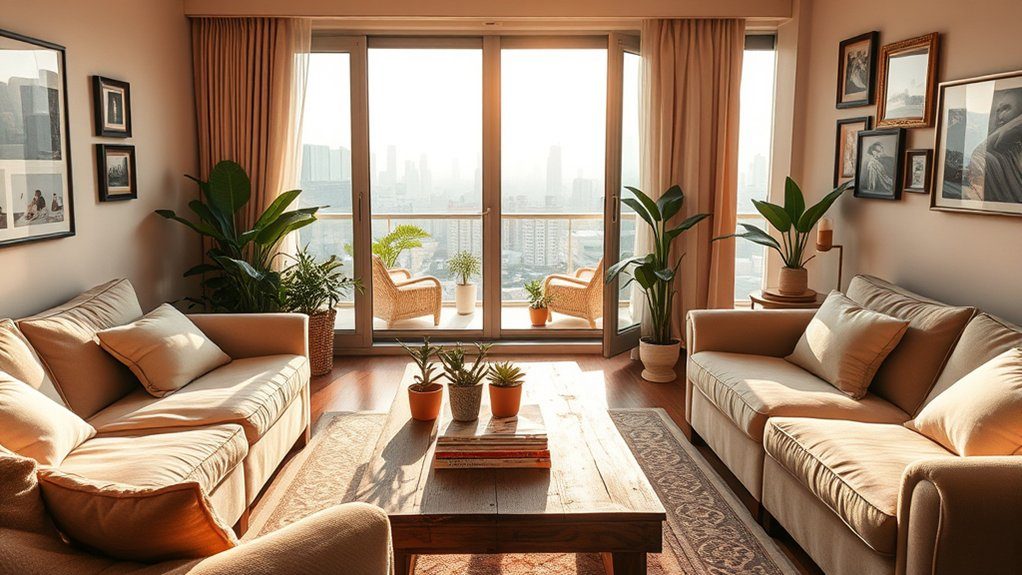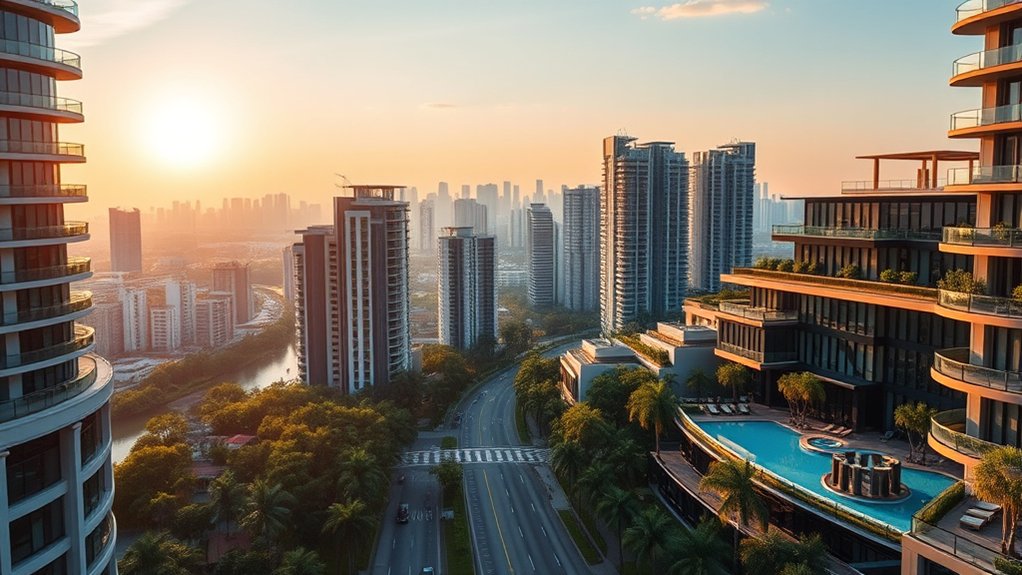
Political stability is the secret sauce, much like the MRT’s reliability that keeps commuters calm. Ultra‑wealthy families feel safe parking their wealth here, while a favourable tax regime and low‑rate stamp duties for locals act as a cheap fare on a long journey. Tight regulations give ownership security, akin to the strict food‑stall licensing that keeps the hawker scene clean and trustworthy. High‑quality infrastructure and seamless connectivity fuel premium demand; think of it as the seamless transfer between Circle Line and Downtown Line—smooth, fast, and always on time.
Political stability fuels luxury demand, like MRT reliability guarantees commuters’ peace of mind.
Orchid‑road proximity to the CBD, embassies and elite schools mirrors a well‑placed food court stall that serves both locals and tourists. Sentosa Cove is the only waterfront enclave where foreign buyers can set up a stand, while District 9 and 10 host sky‑high condos with limited supply, like a limited‑edition kaya toast that sells out before the day ends. Marina Bay’s iconic skyline residences are the “chili crab” of the market—celebrated, photographed, and always in demand. Bukit Timah’s landed estates hold heritage value, comparable to a beloved old shop that’s survived generations.
Investors treat trophy homes as wealth‑preservation assets, diversifying across Singapore, London, New York and Dubai—much like a family spreading its nasi lemak recipes across the region. The properties hedge against currency swings and economic volatility, while rental yields from the expatriate market add a side hustle, similar to a stall selling both breakfast and dinner.
Transaction costs are steep: a 60 % Additional Buyer’s Stamp Duty for foreigners makes the entry price feel like a premium COE auction. Costs are three times higher than Barcelona, limiting supply to the truly ultra‑wealthy, just as only the best chefs can afford a prime stall location. Regulatory approvals for Sentosa Cove add another layer, but liquidity stays strong thanks to the international buyer pool.
Looking ahead to 2026‑27, price growth of up to 1.9 % is expected, driven by continued inflows from Asian, Middle‑Eastern and European capital. Limited new land releases keep scarcity high, while government policies promise a stable ownership framework. In short, Singapore’s trophy‑home market is the “chili crab” of global luxury real estate—spicy, coveted, and impossible to beat. The appetite for ultra‑prime assets is underscored by landmark deals such as a unit at 21 Anderson fetching a record $5,347 per square foot, signalling that Singapore’s freehold luxury segment commands prices few global rivals can match.
Key takeaways
- 5.2 % share leads all major cities.
- Political stability & tax benefits are the main magnets.
- Orchard, Sentosa Cove, District 9/10, Marina Bay, Bukit Timah are the prime micro‑markets.
- High entry costs keep the market exclusive but liquid.
- 2026‑27 outlook remains bullish, with limited supply and steady demand.