As of March 6, 2026, New Zealand officially opened its doors — and its property market — to ultra-wealthy foreign investors through landmark changes to the Overseas Investment Act. The amendment, championed by Associate Finance Minister David Seymour and Immigration Minister Erica Stanford, gives holders of the Active Investor Plus Visa — colloquially known as the “golden visa” — the right to purchase residential property worth at least NZ$5 million, roughly US$2.8 million.
New Zealand’s golden visa now lets ultra-wealthy foreigners buy residential property — if they can afford NZ$5 million.
The golden visa itself requires a separate qualifying investment of NZ$5 million, meaning property purchases sit entirely on top of that baseline commitment. Investors choose between two application categories, Balanced or Growth, and must pass a good character test before any property deal gets approved. As of December 2025, 353 applications had received approval in principle, with another 133 still moving through the pipeline.
Each visa holder is limited to one residential property, and they must also clear Overseas Investment Office consent requirements before signing any agreements. Application fees are modest by comparison — NZ$2,040 for an existing home and NZ$3,500 for a new build, which is practically a rounding error at this price point.
Nationally, just under 10,000 properties meet the NZ$5 million threshold, representing less than 1% of New Zealand’s total housing stock. Auckland leads with 4,479 qualifying properties, followed by the Queenstown-Lakes district with 1,213. Remuera, an affluent Auckland suburb, holds the highest concentration. Around 7,000 of these properties are ready-to-occupy homes.
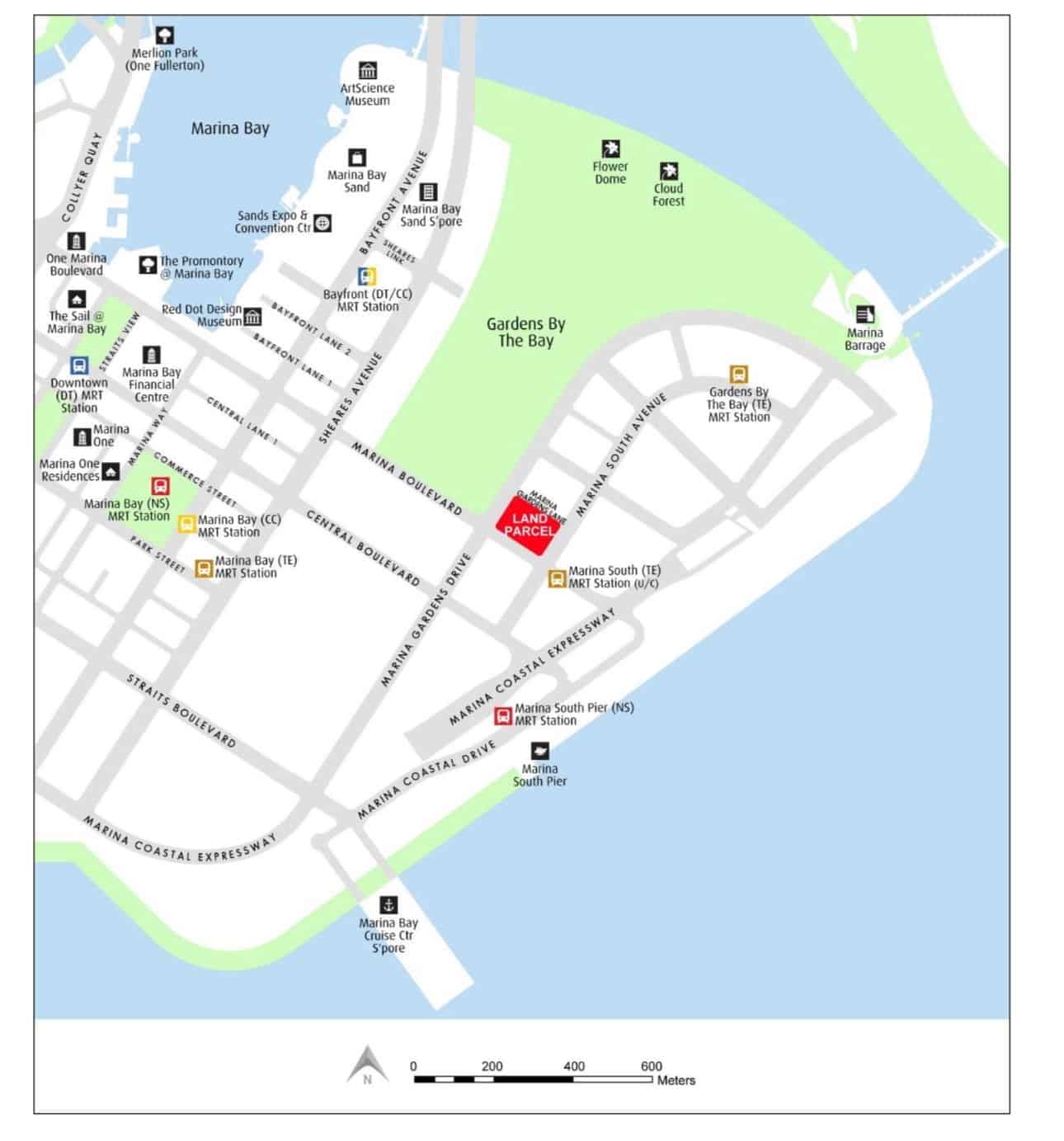
Despite the headlines, Treasury analysis concluded that broad house price impacts are unlikely. Sales in the NZ$5 million-plus category accounted for only 0.2% of total property transactions last year, peaking at just 0.4% during stronger market conditions. Any price pressure is expected to concentrate in Auckland and Queenstown rather than ripple nationally. Singapore’s approach to managing housing demand offers a parallel example, where the government’s confirmed list GLS programme similarly targets specific urban areas to channel development and mitigate broader market disruption.
Physical presence requirements are flexible. Investors committing NZ$5 million must spend just 21 days in New Zealand over three years, while NZ$10 million investors need 105 days over five years, with those figures reducing for every additional NZ$1 million invested beyond the minimums. Over 1,500 applications have been submitted since the visa became available in April 2024, with the largest share originating from the United States. Industry observers note that most serious AIP investors are drawn to New Zealand for lifestyle, safety, and long-term optionality rather than real estate investment returns.