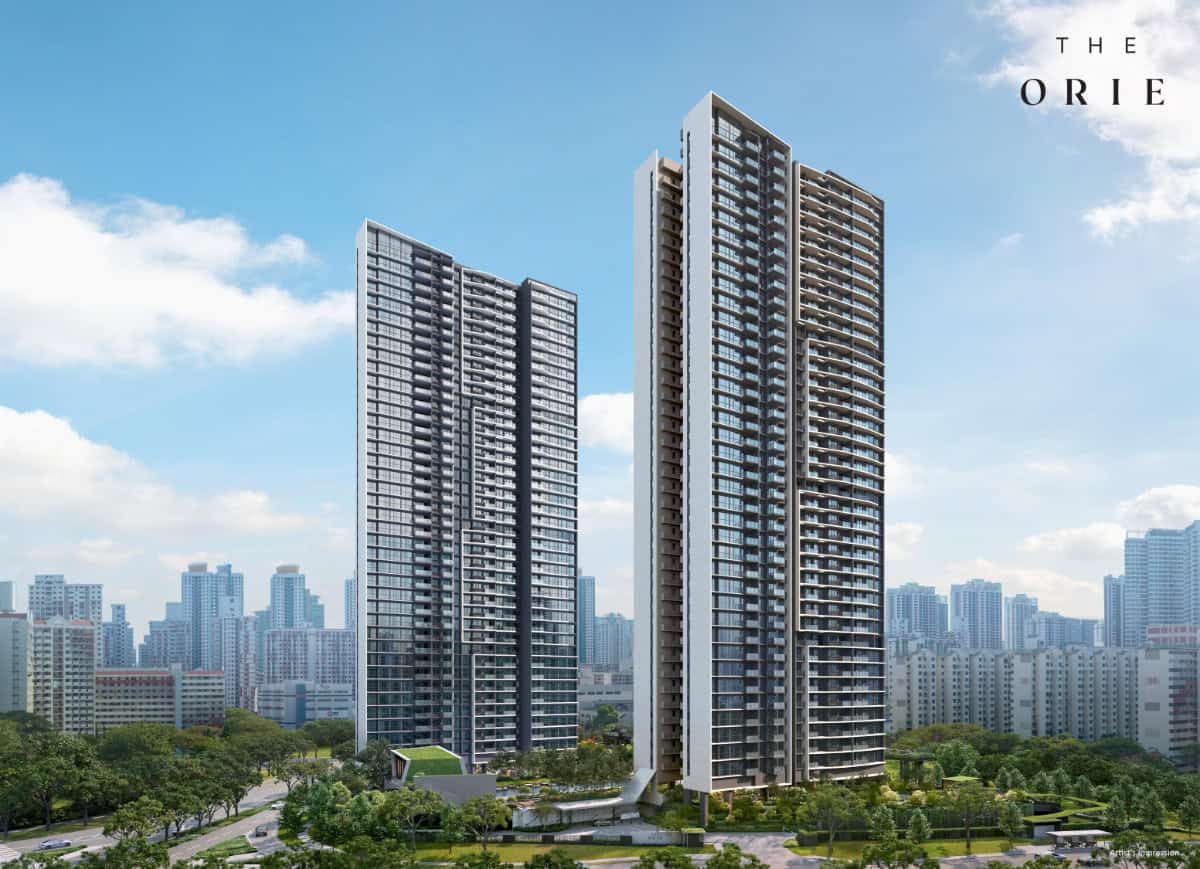
For an HDB upgrader, an integrated or mixed-use development can make daily life remarkably easy. Groceries, food, services and sometimes a transport node may sit within the same project. A regular condominium may require a longer walk, but it can offer a quieter setting, a more residential layout or better value for the space you actually use.
Neither format is automatically the better home or investment. The useful comparison is not the label on the brochure; it is the total price, unit quality, shared costs and everyday experience at two specific projects.
First, understand what “integrated” actually means
Developers and agents use “integrated development” fairly broadly. It may describe homes linked to a mall and MRT station, while “mixed-use” can simply mean that residential and commercial uses share a site. URA’s mixed commercial and residential guidelines define the planning category as a combination of commercial uses and residential flats. They also state that commercial uses should sit on the lower floors, below the homes.
That does not guarantee a sheltered MRT connection, a particular tenant mix or condominium status for every residential component. Verify the approved plans, site zoning, pedestrian route and tenure rather than inferring them from the project name. A regular condo can also be beside an MRT station or neighbourhood mall without being physically integrated with either.
Convenience has real value, but test it street by street
An integrated project can shorten recurring trips. This matters to households with young children, older parents, shift workers or no car. A sheltered route can also make wet-weather travel easier. Yet “doorstep convenience” needs inspection: trace the route from the actual residential lift lobby to the station entrance, supermarket, school bus pick-up point and taxi stand. Count lifts, crossings and closing-time barriers.
Then visit on a weekday rush hour and a weekend evening. Commercial activity can bring delivery vehicles, queues, brighter lighting and heavier pedestrian traffic. Check whether visitors and residents have separate arrival points, car-park zones and lift systems. For some families, being directly above activity is the benefit; for others, a regular condo five to ten minutes away provides enough access with a calmer home environment.
Compare the whole price, not an assumed premium
Do not assume that every integrated home deserves a fixed price premium or will produce stronger returns. Prices also reflect land cost, launch timing, tenure, district, floor, view, unit efficiency, project age and competing supply. Compare recent transactions for similar unit sizes and ages in the same locality, then inspect the actual floor plans.
Build a cash-flow comparison that includes the purchase price, Buyer’s Stamp Duty, any applicable Additional Buyer’s Stamp Duty, legal fees, valuation, renovation, moving or temporary accommodation, mortgage interest, property tax, insurance and recurring maintenance. Our guide to the costs HDB upgraders can overlook provides a useful checklist, but obtain current figures from your bank, lawyer and the relevant authorities before committing.
Also compare price per square foot cautiously. A cheaper rate does not help if the unit loses usable space to long corridors, oversized balconies or awkward structural columns. Measure where your dining table, storage and existing furniture will go.
Maintenance, layout and privacy can change the experience
In any strata development, owners fund the upkeep of common property. Integrated projects may have more complex interfaces among homes, retail areas, transport links and shared infrastructure. That does not prove their residential fees will be higher: the decisive questions are which facilities belong to the residential subsidiary proprietors, how costs are allocated and whether commercial and residential systems are separated.
For a resale property, ask for the current maintenance contribution, recent annual reports, management-council minutes, by-laws and information about major planned works. Review the management and sinking funds rather than relying on the present quarterly bill alone. This explanation of why a condo sinking fund matters highlights the questions to raise.
Inside the project, inspect lift sharing, refuse routes, loading bays, exhaust outlets and air-conditioning equipment. In the unit, open windows and listen at different times. Check overlooking from the mall roof, office blocks, opposite towers and communal decks. A regular condo may provide a more private arrival sequence, but poor block placement can erase that advantage. The stack and floor often matter more than the development type.
Financing starts with your HDB sale, not the showroom
Before paying an option fee, obtain an in-principle assessment from a lender and model repayments at a higher interest rate. MAS’s rules for new housing loans cover loan-to-value, tenure and debt-servicing limits. The Total Debt Servicing Ratio considers all debt obligations, not only the proposed mortgage. Bank approval and your own comfortable budget are not the same thing, so retain cash for emergencies and post-completion costs.
Your HDB sale price is also not your available deposit. Outstanding mortgage amounts, selling expenses and required CPF refunds affect the net proceeds. CPF Board explains that CPF principal used for housing and accrued interest generally return to your account when the home is sold; its guide on CPF OA use for a next home also explains how age and the replacement property’s remaining lease can affect usage.
Sequence matters. Buying before selling can alter cash availability, CPF usage and stamp-duty treatment, while selling first may require temporary housing. Confirm that your flat has met its Minimum Occupation Period and check the HDB conditions that apply after buying a flat. Ask a conveyancing lawyer to map the dates and obligations for your circumstances.
A practical due-diligence scorecard
Score both shortlisted projects against the same evidence, not different sales pitches:
- Access: actual walking time, shelter, lift changes and routes after retail closing hours.
- Home quality: usable internal area, storage, ventilation, orientation, noise and privacy.
- Management: residential-commercial boundaries, by-laws, current contributions, fund position and planned works.
- Traffic: resident and visitor parking, loading activity, ride-hailing queues and school-hour congestion.
- Finances: net HDB proceeds, CPF refund, cash downpayment, taxes, fees and a stressed mortgage budget.
- Resale fundamentals: tenure, remaining lease, comparable transactions and the depth of future buyer demand.
For a new launch, read the plans and sale documents and note which features are confirmed rather than merely proposed. For a resale unit, visit repeatedly and request management records through the seller where available. Commission professional inspections and legal advice when needed.
Which format suits an HDB upgrader?
An integrated development is most persuasive when the connection genuinely saves your household time, the unit works well and the total cost remains comfortable. A regular condo may be the better choice when space, quiet, privacy or a lower overall commitment matters more than having shops in the same complex.
Treat convenience as one attribute, not a forecast of profit. Choose the specific home that survives your commute test, floor-plan test, management review and financing stress test. That approach is less exciting than buying a label, but far more useful for a long-term owner-occupier.