While Singapore’s Good Class Bungalows have long represented the pinnacle of luxury real estate in the city-state, their eye-watering price tags—often exceeding S$20 million—have traditionally placed them beyond the reach of most investors. However, fractional ownership models are now opening doors to these exclusive properties, albeit with a significant catch that potential investors need to understand clearly.
The concept works straightforwardly: multiple investors pool their resources to purchase high-value properties collectively, with each participant receiving a deed representing their ownership share proportional to their capital contribution. For GCB investments, the minimum entry point sits at S$500,000, while condominiums require S$200,000, making these opportunities accessible only to those with substantial financial capacity.
The ownership structure typically operates through LLCs or tenancy-in-common legal entities, with standard holding periods extending five to seven years. Unlike tenants-in-common arrangements such as the 99-1 property ownership split used in some private property strategies, fractional GCB ownership divides stakes more evenly among qualified investors.
Here’s where the arrangement gets interesting, and perhaps disappointing for some. Co-owners legally become property owners of these magnificent assets but gain zero occupier status. They hold no rights to actually use the property, alter structures, or independently monetize their shares. These are purely investment vehicles designed for capital appreciation, not lifestyle experiences.
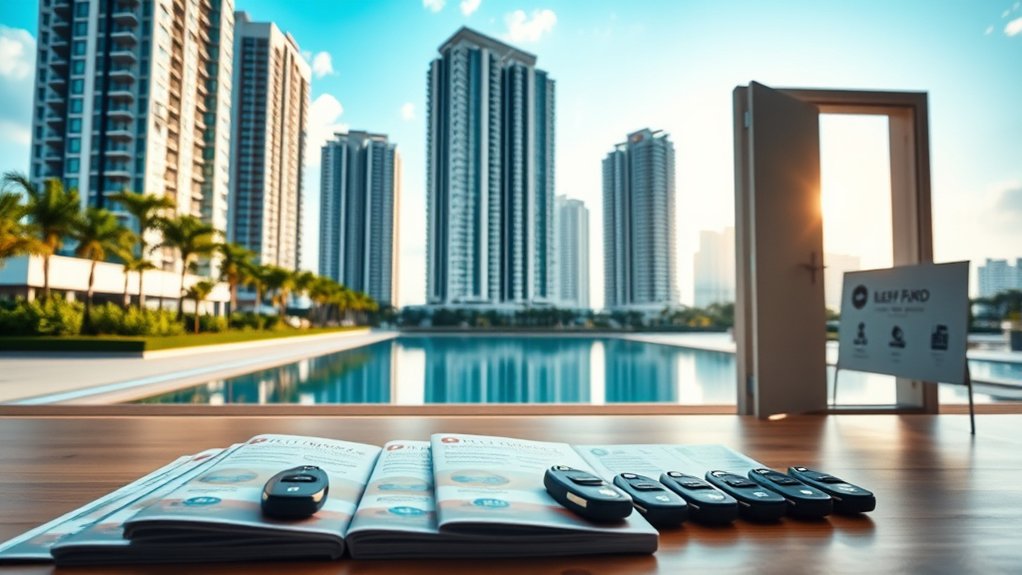
Fractional GCB ownership delivers investment returns without usage rights—you own the deed but never hold the keys.
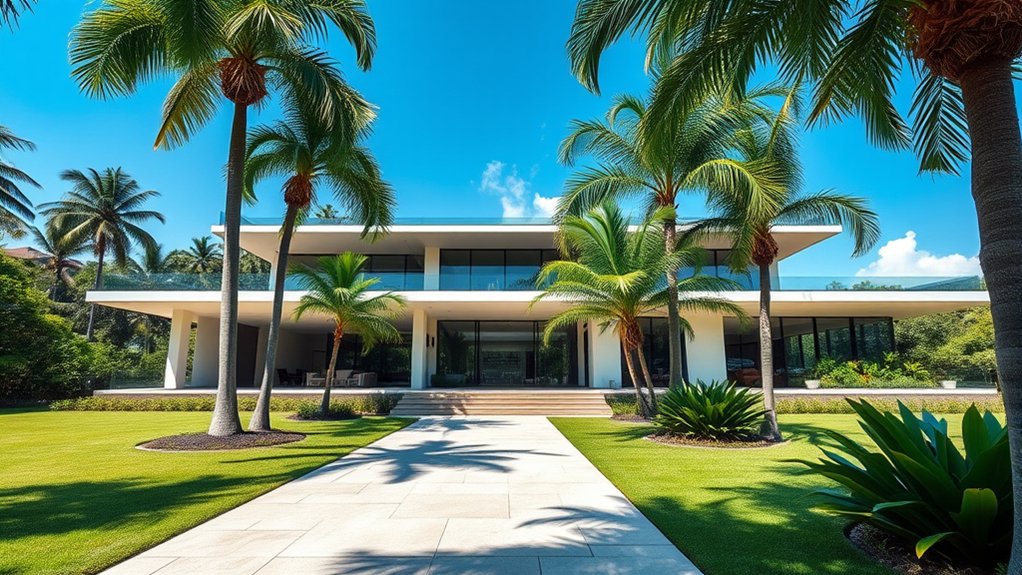
The GCBs themselves must meet strict specifications: minimum 1,400 square meters of land, 18.5-meter width, 30-meter depth, and location within one of 39 designated areas, with building footprints limited to 40-45% of the plot.
The Monetary Authority of Singapore has introduced guidelines to protect investors participating in these platforms, while the Land Dealings Approval Unit provides oversight for certain transactions. Permanent residents still require case-by-case SLA approval before purchasing. Only Singapore citizens are permitted to purchase GCBs directly, though fractional ownership platforms may offer alternative structures.
Financial responsibilities get divided proportionally among all fractional owners, covering property taxes, maintenance, repairs, landscaping, and utilities. Third-party management companies typically handle these logistics, though all owners collectively decide on major modifications. The approximately 2,800 GCB land plots in Singapore contribute to the scarcity that drives investment appeal in these properties.
The model offers clear advantages: portfolio diversification across multiple high-value properties and secondary market liquidity through share resales. However, investors must accept that their S$500,000 buys ownership paperwork, not keys to a spectacular bungalow.