
In Singapore, buying a property can be a significant investment. Whether you’re a Singaporean citizen, a permanent resident, or a foreigner, securing the funds to purchase a property can seem daunting. However, with the various property financing options available, owning real estate in Singapore is within reach. So how do you be Finding Money to Buy Properties in Singapore ?
When it comes to financing real estate in Singapore, there are several avenues to explore. From government subsidies and grants to home loans and Central Provident Fund (CPF) savings, there are funding sources that cater to different financial situations and eligibility criteria.
Table of Contents
Key Takeaways:
- Government subsidies and grants are available for public housing purchases.
- Home loans from private financial institutions offer financing options for property buyers.
- Utilizing CPF savings can help cover down payments and monthly mortgage payments.
- Private loans are an alternative option for property financing.
- Consider the location, housing type, budget, and resale potential before making a property purchase.
Types of Singapore Residential Properties
In Singapore, there are two main types of residential properties: public residential housing and private residential properties. Let’s take a closer look at each:
Public Residential Housing (HDB Flats)
Public residential housing, also known as HDB flats, is built by the Housing Development Board. These flats are affordable housing options for Singapore citizens and permanent residents. HDB flats are designed to provide a comfortable living environment with various amenities and facilities. They are available in different sizes and types to cater to the diverse needs of residents.
One of the key advantages of HDB flats is the availability of government subsidies and schemes. Singapore citizens and permanent residents can benefit from CPF housing grants and other financial aids to make home ownership more affordable. Foreigners are not eligible to purchase HDB flats.
Private Residential Properties
Private residential properties offer more flexibility and exclusivity compared to public housing. There are a few types of private residential properties available:
- Executive Condominiums (EC): These are a unique housing option in Singapore that combines elements of public and private housing. ECs are developed and sold by private developers but are subject to certain restrictions and regulations. In the initial period, only Singapore citizens and Singapore citizens with permanent residents are eligible to purchase ECs. After a specific period, usually around 10 years, ECs become fully privatized, and they can be sold to Singapore citizens, permanent residents, and even foreigners.
- Private Apartments/Condominiums: These are privately developed and owned residential properties that offer a wide range of amenities and facilities. Private apartments/condominiums are available for purchase by Singapore citizens, permanent residents, and foreigners with government approval.
- Landed Housing: Landed housing refers to properties such as bungalows, semi-detached houses, and terrace houses. These properties provide more space and privacy, making them an attractive option for families. Landed properties can be purchased by Singapore citizens, permanent residents, and foreigners with government approval.
Private residential properties offer a higher level of customization and luxury, but they also come with a higher price tag. However, they provide more flexibility in terms of design, renovations, and other personal preferences.
Comparison of Singapore Residential Property Types
| Property Type | Eligibility | Ownership | Price Range |
|---|---|---|---|
| Public Residential Housing (HDB Flats) | Singapore citizens and permanent residents | Leasehold | Affordable |
| Executive Condominiums (EC) | Singapore citizens, Singapore citizens with permanent residents, and foreigners (after privatization) | Leasehold (initial period) / Privatized (after a specific period) | Moderate to high |
| Private Apartments/Condominiums | Singapore citizens, permanent residents, and foreigners (with government approval) | Freehold / Leasehold | High |
| Landed Housing | Singapore citizens, permanent residents, and foreigners (with government approval) | Freehold / Leasehold | High |
As you can see from the comparison table, the eligibility, ownership type, and price range vary for each type of residential property in Singapore. It’s important to consider your budget, long-term plans, and lifestyle preferences when deciding on the right type of property for you.
Eligibility for Purchasing Executive Condominiums
When it comes to purchasing an executive condominium (EC) in Singapore, eligibility depends on the stage of development. Let’s take a closer look:
Brand New EC
For brand new ECs, only Singapore citizens and Singapore citizens with permanent residency are eligible to buy. This ensures that these exclusive properties are accessible to local residents, fostering a sense of community and shared ownership.
Resale EC
After the minimum occupation period (MOP), resale EC units become available to a wider range of potential buyers. Singapore citizens, permanent residents, and singles are eligible to purchase resale ECs, providing more flexibility in the market. However, foreigners are not eligible for resale ECs, preserving the integrity and purpose of these homes for local residents.
Fully Privatized EC
After approximately 10 years, ECs are fully privatized. At this stage, the eligibility criteria expands further, allowing Singapore citizens, permanent residents, and even foreigners to purchase these properties. This offers greater opportunities for investment and diverse ownership in the EC market.
Understanding the eligibility requirements for purchasing executive condominiums is crucial for potential buyers to make informed decisions. Whether it’s a brand new EC, resale EC, or fully privatized EC, each stage of development offers unique opportunities and benefits.
As an example, here’s a table summarizing the eligibility criteria for purchasing executive condominiums:
| Type of EC | Eligibility |
|---|---|
| Brand New EC | Singapore Citizens Singapore Citizens with Permanent Residency |
| Resale EC | Singapore Citizens Permanent Residents Singles |
| Fully Privatized EC | Singapore Citizens Permanent Residents Foreigners |
Being aware of these eligibility requirements empowers potential buyers to explore the opportunities available to them and make informed decisions about their investment in executive condominiums.
Factors to Consider before Buying a Home in Singapore
Before making the big decision to buy a home in Singapore, there are several important factors that you should consider. These factors will help you make an informed choice and ensure that your purchase aligns with your needs and preferences.
1. Location
The location of a property is crucial when buying a home in Singapore. Consider factors such as proximity to amenities, transportation links, schools, and healthcare facilities. Additionally, think about the future development plans for the area to gauge its potential for appreciation.
2. Housing Type
Decide whether you prefer public or private housing. Public housing, also known as Housing Development Board (HDB) flats, are more affordable for Singapore citizens and permanent residents. Private residential properties offer more variety and flexibility but can come at a higher price point.
3. Budget
Set a realistic budget based on your financial situation and future plans. Take into account additional costs such as stamp duty, legal fees, and renovation expenses. It’s crucial to have a clear understanding of your budget limitations to avoid any financial strain in the long run.
4. Financing Options
Explore the different financing options available to you. Home loans from banks or financial institutions, as well as government schemes like the Central Provident Fund (CPF), can help you fund your purchase. Consult with financial experts to understand the best financing option for your specific circumstances.
5. Maintenance Costs
Consider the ongoing maintenance costs of the property. This includes monthly maintenance fees, property taxes, and utilities. These expenses can significantly impact your overall budget, so it’s crucial to factor them in before making a decision.
6. Resale Value
Assess the potential resale value of the property you are considering. Look into historical price appreciation in the area and the overall demand for properties in that specific location. This will help you estimate the potential return on investment if you decide to sell the property in the future.
By carefully considering these key factors, you can make a well-informed decision when buying a home in Singapore that aligns with your needs, budget, and long-term goals.

| Factors to Consider | Description |
|---|---|
| Location | Proximity to amenities, transportation, schools, and healthcare facilities. |
| Housing Type | Choose between public (HDB flats) and private residential properties. |
| Budget | Set a realistic budget and consider additional costs. |
| Financing Options | Explore home loans, CPF, and other financing schemes. |
| Maintenance Costs | Consider ongoing expenses like maintenance fees and property taxes. |
| Resale Value | Assess the potential return on investment. |
Financing Options for Home Purchase in Singapore
When it comes to purchasing a home in Singapore, there are several financing options available to help make your dream a reality. Whether you’re a first-time buyer or looking to upgrade, these options can provide the financial support you need. Let’s explore the different financing options for home purchase in Singapore:
1. Home Loans from Private Financial Institutions
One common option is to secure a home loan from a private financial institution. These institutions offer various loan packages with interest rates that suit your financial situation. It’s important to compare different loan packages and choose one with favorable terms and conditions that align with your long-term goals.
2. Utilizing Central Provident Fund (CPF) Savings
The Central Provident Fund (CPF) is a comprehensive social security savings plan in Singapore. As a citizen or permanent resident, you can utilize your CPF savings to pay for the down payment and monthly mortgage payments. However, please note that there are specific eligibility criteria and withdrawal limits for using CPF savings for housing purposes.
3. Private Loans
In certain situations, private loans can be an option for financing your home purchase. Private loans are typically obtained from individuals or private lending institutions. However, it’s important to consider that private loans often come with higher interest rates than traditional home loans. Carefully evaluate your financial capabilities and assess the feasibility of this option before proceeding.
When considering the financing options mentioned above, it’s essential to align your choices with your long-term financial goals and evaluate your repayment capacity. Take the time to explore multiple options, consult financial professionals, and choose the one that best suits your needs.
Now, let’s take a look at a helpful table that compares the key aspects of the different financing options:
| Financing Option | Key Features | Interest Rates | Eligibility Criteria |
|---|---|---|---|
| Home Loans | Available from private financial institutions | Varies depending on the loan package | Singapore citizens, permanent residents, and foreigners (subject to approval) |
| CPF Savings | Utilize your CPF savings for down payment and monthly mortgage payments | CPF interest rates, subject to specific regulations | Singapore citizens and permanent residents |
| Private Loans | Obtained from individuals or private lending institutions | Typically higher than home loan interest rates | Varies depending on the lender’s requirements |
By considering these financing options and understanding their key features, you can make an informed decision and secure the necessary funds for your home purchase in Singapore.
Now, let’s take a moment to visualize how these financing options can help you on your journey to homeownership:
With the right financing option, you can turn your homeownership dreams into reality. Whether you choose a home loan, utilize your CPF savings, or explore private loans, remember to assess your financial capabilities and choose an option that aligns with your long-term goals.
Saving Up to Secure a Home Loan in Singapore
When it comes to buying a home in Singapore, careful budgeting and financial discipline are essential. Saving up to secure a home loan requires planning and dedication. Let’s explore some key factors to consider as you embark on this journey.
1. Create a Budget
To save effectively, it’s crucial to create a detailed budget that outlines your income and expenses. By tracking your spending habits, you can identify areas where you can cut back and increase your savings. Consider allocating a specific percentage of your income towards your home purchase fund.
2. Save for the Down Payment
One of the major costs when buying a home is the down payment. In Singapore, the down payment typically ranges from 5% to 20% of the property’s purchase price. Saving for a substantial down payment can increase your chances of securing a favorable home loan and lower your monthly mortgage payments.
3. Account for Additional Buyer’s Stamp Duty (ABSD)
It’s essential to factor in the additional buyer’s stamp duty (ABSD) when calculating the total cost of your home purchase. ABSD is a tax imposed on property buyers in Singapore, and the rates vary based on your residency status and the number of properties you already own. By considering ABSD in your savings plan, you can avoid any unexpected financial burdens.
4. Practice Financial Discipline
Developing good financial habits is key to saving up for a home loan. Avoid unnecessary expenses, prioritize your savings goals, and resist the temptation to splurge on non-essential items. It’s important to stay disciplined and stay focused on your long-term goal of homeownership.
By following these tips and maintaining financial discipline, you’ll be able to save up and secure a home loan in Singapore. Remember that every dollar saved brings you one step closer to your dream of homeownership.
How to Find Undervalued Properties in Singapore
Finding undervalued properties in Singapore requires a thorough analysis of the property market trends, careful location evaluation, and a deep understanding of market dynamics. By following these strategies, buyers can uncover hidden opportunities and make smart investment decisions.
Here are some effective ways to find undervalued properties in Singapore:
- Market Analysis: Stay updated with the latest property market trends, including fluctuations in property prices and supply-demand dynamics. This information will help you identify potential undervalued properties.
- Location Evaluation: Conduct a detailed analysis of different neighborhoods and areas. Look for areas with multiple housing properties of different ages within a radius of 1 km. These areas often present great opportunities for undervalued properties.
- Resale Market: Explore the resale market and look for properties that have been on the market for a while. These properties may have lower asking prices and provide negotiation leverage.
- Distressed Sellers: Keep an eye out for properties being sold by distressed sellers. These sellers may be more inclined to accept lower offers, providing an opportunity to secure an undervalued property.
- Property Auctions: Attend property auctions, as they can be an excellent platform to find undervalued properties. Properties sold at auctions are often priced below market value, attracting investors seeking bargains.
- Developers’ Deadlines: Monitor developers’ deadlines for their projects. As the deadline approaches, developers may offer discounted prices to ensure quick sales, presenting an opportunity to acquire an undervalued property. This requires a good property agent to guide you along !
By utilizing these strategies, buyers can uncover undervalued properties in Singapore and capitalize on favorable investment opportunities.
To further illustrate the effectiveness of these strategies, let’s take a look at the current property market trends in Singapore:
| Property Market Trend | Impact on Finding Undervalued Properties |
|---|---|
| Rising Demand | Increases competition, making it more challenging to find undervalued properties |
| Supply Oversupply | Increases the likelihood of finding undervalued properties, as developers may offer discounts to sell remaining units |
| Economic Factors | Economic downturns or recession can create opportunities to find undervalued properties |
| Government Policies | Changes in government policies, such as cooling measures, can impact property prices and create opportunities for undervalued properties |
Keep in mind that while finding undervalued properties can be rewarding, buyers should conduct thorough due diligence, including a property inspection, financial analysis, and legal review, to ensure a sound investment.
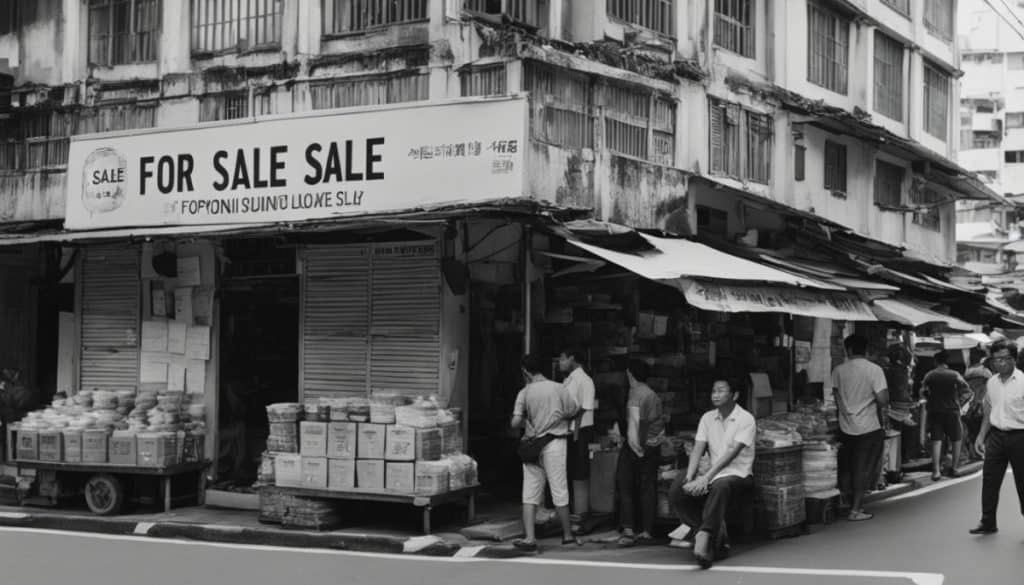
Factors to Consider When Buying an Undervalued Property
Buying an undervalued property can be a smart investment strategy, but it’s crucial to consider certain factors before making a decision. These factors include maintenance fees, rental yield, resale potential, and property condition. Let’s explore each of these factors in detail:
Maintenance Fees
When purchasing an undervalued property, it’s essential to take into account the maintenance fees associated with the property. These fees cover the upkeep of shared facilities and common areas within the property, such as security, landscaping, and maintenance. Buyers should carefully assess whether the potential rental income from the property can outweigh the ongoing maintenance fees.
Rental Yield
Rental yield refers to the return on investment that can be generated through rental income. When considering an undervalued property, buyers must evaluate the rental potential of the property. Factors such as location, amenities, and demand for rental properties in the area should be assessed to determine the property’s rental yield. A higher rental yield can indicate a better return on investment.
Resale Potential
Assessing the resale potential of an undervalued property is crucial for future profitability. Buyers should consider factors such as the property’s location, market demand, and potential for appreciation in value. A property with strong resale potential can provide a significant return on investment in the long run.
Property Condition
Evaluating the condition of the property is essential before making a purchase. Buyers should thoroughly inspect the property for any potential issues or necessary repairs. Major repairs or renovations can significantly impact the overall investment cost. It’s important to factor in these potential costs when determining the value and profitability of an undervalued property.
| Factors to Consider | Description |
|---|---|
| Maintenance Fees | Determine if the potential rental income outweighs the ongoing maintenance fees. |
| Rental Yield | Evaluate the rental potential of the property to ensure a higher return on investment. |
| Resale Potential | Assess the property’s location, market demand, and potential for appreciation in value. |
| Property Condition | Thoroughly inspect the property for any necessary repairs or major renovations. |
Considering these factors when buying an undervalued property will help ensure a well-informed decision and enhance the potential for long-term profitability. Now, let’s explore the benefits of buying from distressed sellers in the next section.
Benefits of Buying from Distressed Sellers
When it comes to purchasing a property, buying from distressed sellers can offer numerous benefits. Distressed sellers are individuals who are motivated to sell their properties quickly and may be facing financial challenges or other circumstances that require a fast transaction.
Negotiation Opportunities
One of the main advantages of buying from distressed sellers is the increased potential for negotiation. These sellers are often more open to accepting lower offers and are willing to negotiate on the price. This presents buyers with an opportunity to secure an undervalued property at a more affordable price.
Potential Discounts
Another benefit of buying from distressed sellers is the potential for discounts. Distressed sellers may be willing to provide additional concessions, such as covering closing costs or including furnishings, to attract buyers. These discounts can help buyers save money and make the overall transaction more favorable.
Faster Transaction
Buying from distressed sellers can also result in a faster transaction process. Since distressed sellers are motivated to sell quickly, they are more likely to expedite the necessary paperwork and complete the transaction promptly. This can be advantageous for buyers who want to secure the property without delays or complications.
Overall, purchasing from distressed sellers offers negotiation opportunities, potential discounts, and a faster transaction process. Buyers who are willing to explore this market segment can potentially find great deals and secure their dream property at a lower price.
Timing and ABSD Considerations
When searching for undervalued properties in Singapore, timing and Additional Buyer’s Stamp Duty (ABSD) considerations can significantly impact your chances of securing a good deal. By strategically leveraging timing and understanding ABSD regulations, buyers can uncover opportunities for property discounts and remissions.
Property Developer Deadlines
Property developers often impose deadlines for selling their units in order to meet their sales targets and project completion timelines. As the deadline approaches, developers may offer price discounts or incentives to encourage sales. By keeping an eye on these deadlines, buyers can take advantage of reduced prices and secure undervalued properties.
ABSD Remission
The Additional Buyer’s Stamp Duty (ABSD) is a tax imposed on certain groups of property buyers in Singapore. However, there are remission schemes in place that allow buyers to receive partial or full remission of ABSD. One such scheme is the remission for buyers of residential properties who sell their existing property within a specified period. By understanding and utilizing ABSD remission schemes, buyers can potentially save on costs and negotiate better deals.
Resale Property Price Discounts
Homeowners who fail to sell their property within the ABSD deadline may become more motivated to negotiate and offer discounts. Buyers can consider purchasing from these homeowners, as they may be willing to reduce the price in order to avoid additional costs or penalties. By exploring resale properties from sellers approaching their ABSD deadline, buyers can find undervalued properties and secure a better deal.
Finding Money to Buy Properties in Singapore : Conclusion
In conclusion, finding the necessary funds to purchase properties in Singapore requires careful consideration of various factors. Location, housing type, budget, financing options, and resale potential all play a crucial role in the property acquisition process. Buyers can take advantage of government subsidies and grants for public housing, as well as explore home loans and CPF savings for financing their property purchases.
Staying informed about market trends and property conditions is essential for identifying undervalued properties. Opportunities from distressed sellers or developer deadlines can present favorable negotiation opportunities and potential discounts. By seizing these opportunities, buyers can secure undervalued properties at lower prices and make their dream of property ownership in Singapore a reality.
Whether it’s through securing funds from financing options or utilizing government programs, finding money for property purchase in Singapore requires strategic planning and informed decision-making. With the right approach and knowledge of available funding sources, prospective buyers can navigate the real estate market and achieve their property ownership goals in Singapore.


