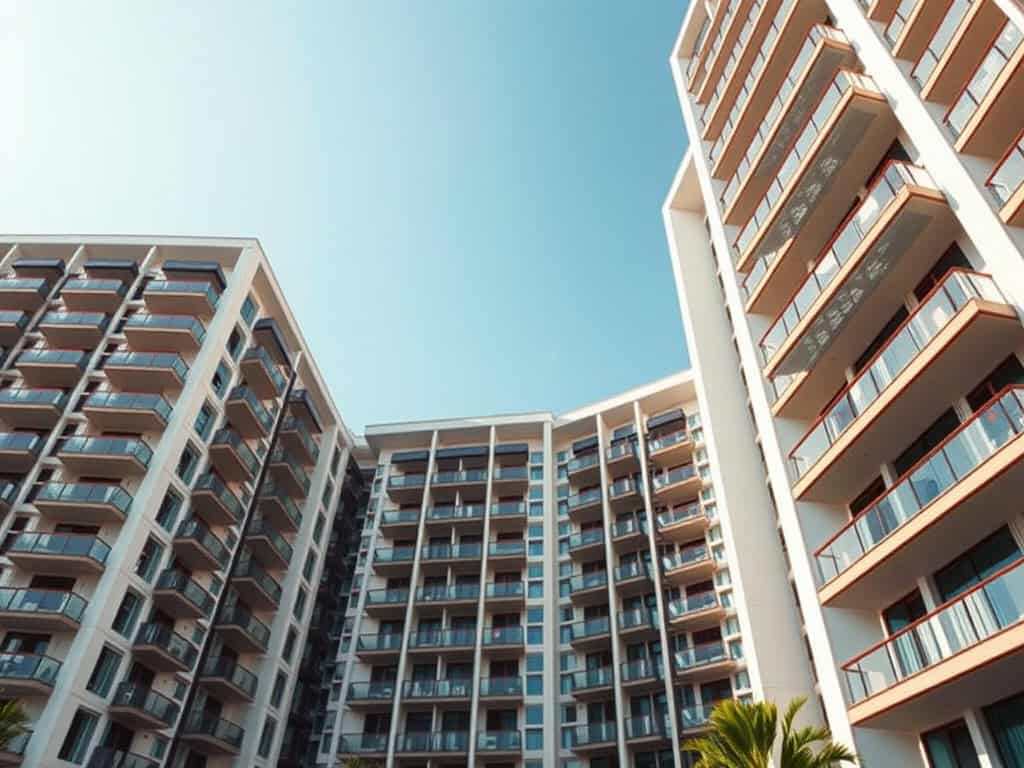
For the first time in nearly seven years, Singapore’s public housing resale market has paused its record-breaking climb. Official data from the Housing & Development Board (HDB) reveals that the Resale Price Index (RPI) contracted by 0.1% to 203.4, marking the first quarterly retreat since the second quarter of 2019. Subsequent quarterly figures have shown prices consolidating further by 0.3% to 202.7.
This subtle shift concludes an aggressive multi-year run-up fueled by pandemic construction delays, surging private home prices, and unprecedented transaction volumes. While the mainstream headlines have focused on sensational outliers—exemplified by the surge in million-dollar HDB resale transactions across mature estates—the underlying broad market tells a story of buyer resistance, policy cooling, and normalizing supply.
For thousands of HDB flat owners contemplating an upgrade into private condominiums or Executive Condominiums (ECs), this inflection point carries substantial financial implications. When flat prices plateau, the assumptions underpinning upgrading budgets require immediate recalibration.
What the Resale Price Index (RPI) Inflection Actually Shows
The quarterly contraction did not occur overnight. It followed five consecutive quarters of steadily decelerating price increases, dropping from quarterly gains of 2.5% down to 1.1%, 0.8%, and flat momentum before dipping into negative territory.
Crucially, this is a healthy moderation rather than a market collapse. Public housing resale volumes remain respectable, with quarterly volumes hovering above 6,100 transactions. However, buyers are drawing firm boundaries on price negotiations. The era of loose cash outlays is waning, and the gap between seller expectations and formal valuations has narrowed significantly across non-mature towns like Jurong West, Woodlands, and Sengkang.
Our ongoing analysis of how HDB and private property price trends diverge underscores why a public housing cooldown matters: private developer prices have remained resilient due to elevated land costs and construction inflation, widening the net financial hurdle for households moving between the two sectors.
Key Catalysts Behind the Resale Market Cooling
Three primary structural factors have converged to dampen HDB resale price velocity:
- Aggressive BTO Supply and Shorter Waiting Times: The Ministry of National Development (MND) and HDB have steadily injected tens of thousands of new flats into the pipeline, including an expanding proportion of Shorter Waiting Time (SWT) projects with construction durations under three years. This has successfully redirected a significant pool of first-time buyers who previously turned to the resale market in frustration over delivery delays.
- Cumulative Macroprudential Cooling Measures: The lowering of the Loan-to-Value (LTV) limit for HDB housing loans to 75% has reined in maximum borrowing capacity for lower-to-middle income buyers. Simultaneously, the 15-month wait-out period imposed on private residential property owners downgrading to non-subsidized resale flats continues to strip out high-liquidity cash buyers from the 4-room and 5-room resale segments.
- Buyer Resistance to Cash-Over-Valuation (COV): With mortgage interest rates remaining elevated compared to the ultra-low 2020–2021 period, buyers are refusing to commit substantial upfront cash reserves above bank or HDB valuations. As COV expectations evaporate, negotiated transacted prices naturally gravitate back toward baseline valuation pegs.
The Upgrader Reality Check: When Equity Extraction Shrinks
For HDB owners, their flat is frequently their single largest asset and primary vehicle for equity accumulation. Upgraders typically rely on substantial net sales proceeds to fund:
- The mandatory minimum 25% downpayment on a private condominium (including at least 5% in hard cash).
- Tiered Buyer’s Stamp Duty (BSD) rates ranging up to 6% under current tax schedules.
- Full refund of CPF monies utilized alongside accrued interest (compounded at 2.5% annually).
- Renovation, furnishings, and a six-month emergency mortgage buffer.
When resale values were surging 8% to 10% annually, sellers could count on generous paper gains absorbing substantial CPF accrued interest liabilities while still leaving hundreds of thousands of dollars in surplus liquid capital. In a consolidating or flat pricing environment, an owner who has held their HDB flat for 10 to 15 years with two working adults servicing mortgages via CPF OA may find that CPF principal and accrued interest consume the lion’s share of their gross selling price.
If net cash proceeds fall short of initial projections, buyers are forced to either tap non-housing cash savings or downsize their private aspirations to smaller unit configurations.
Stress-Testing Financing: Avoiding the Margin Trap
Before putting an HDB flat on the market, owners must conduct rigorous quantitative stress tests rather than relying on agent ballpark estimates. Key calculation checkpoints include:
- Precise CPF Accrued Interest Audit: Log in to the CPF portal to extract the exact principal withdrawn for housing plus accrued compound interest. This figure is non-negotiable; upon sale completion, every cent must be returned to your CPF Ordinary Account before any cash surplus is disbursed.
- Total Debt Servicing Ratio (TDSR) Compliance: Private housing loans are capped under the MAS TDSR framework at 55% of gross monthly income, evaluated at a medium-term regulatory interest rate stress floor. If one spouse plans to step back from full-time employment or transitions to commission-based income (subject to a standard 30% hair-cut by lenders), loan eligibility can shrink dramatically.
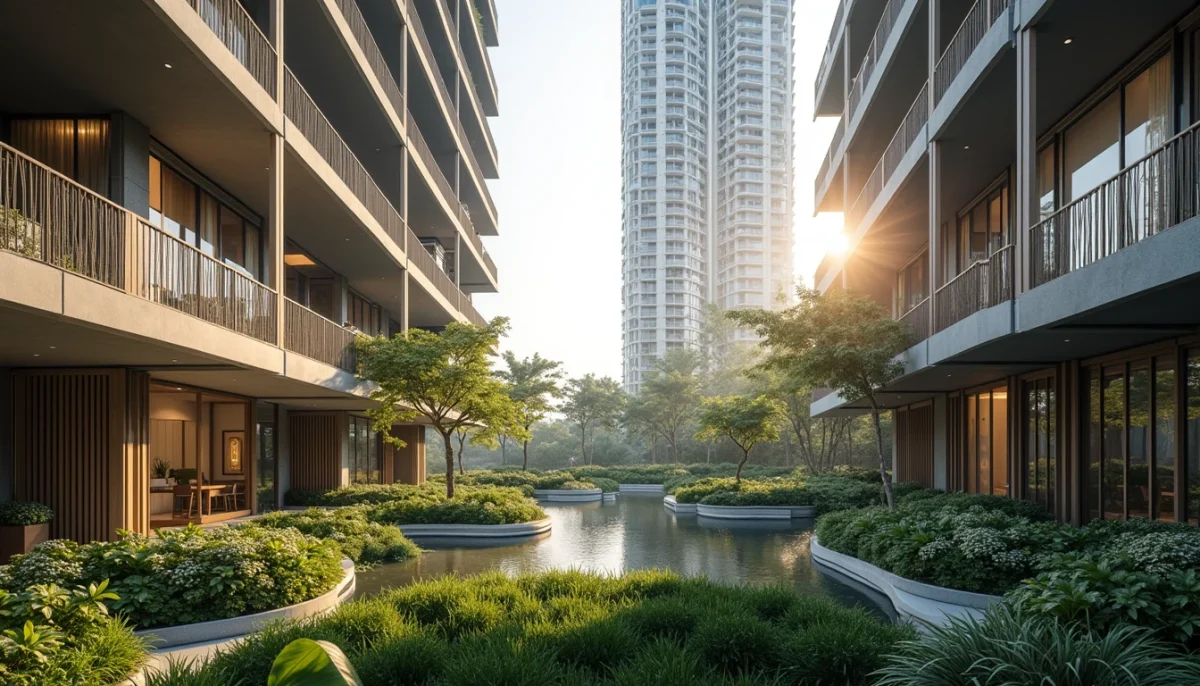
- Resale vs New Launch Entry Points: For upgraders comparing prospective developments, suburban OCR entry points must be vetted carefully. For example, buyers examining modern West-region mixed-use condominiums like Lucerne Grand at Lakeside will notice 2-bedroom entry pricing starting around $1.498 million ($2,400 psf) and 3-bedroom family units from $2.1 million. Meeting the 25% downpayment on a $2.1 million purchase requires at least $525,000 in combined CPF and cash—a quantum that demands disciplined equity planning.
Execution Strategy: Sell First or Buy First?
In a volatile or cooling public housing climate, transaction sequencing becomes a paramount risk management decision:
Option A: Selling Your HDB Flat First (Conservative Route)
Selling before committing to a private purchase eliminates the immediate exposure to IRAS Additional Buyer’s Stamp Duty (ABSD). You know the exact dollar amount of your net sale proceeds and CPF refunds before signing an Option to Purchase (OTP). The primary trade-off is logistical: you may need to negotiate a 3-month temporary extension of stay with your buyer or arrange short-term interim rental accommodation while hunting for your next home.
Option B: Buying First (Aggressive Route for Married Singaporean Couples)
If you purchase a replacement private home before completing the sale of your HDB flat, you must pay prevailing ABSD upfront within 14 days of exercising the OTP. While a married couple with at least one Singapore Citizen spouse can apply for full ABSD remission, the condition is strict: you must legally dispose of your existing HDB flat within six months of purchasing the completed condo, or within six months of the Temporary Occupation Permit (TOP) date for an uncompleted new launch.
In a market where HDB resale transactions take longer to negotiate and price expectations are adjusting downward, a mandatory six-month sales clock places sellers at a distinct bargaining disadvantage. Upgraders who choose this path risk being forced to slash asking prices to clear the flat in time to recover their ABSD deposit.
Conclusion: Prudence Over Speculation
The first quarterly dip in HDB resale prices in seven years is not a harbinger of a crash; it is the natural consequence of targeted government intervention, expanded BTO delivery, and disciplined buyer behavior. For the broader Singapore property ecosystem, a stable public housing baseline is vital for sustainable long-term homeownership.
For HDB upgraders, the message is clear: the days of relying on unchecked capital appreciation to bail out aggressive private gearing are over. Prospective upgraders who anchor their transition on rigorous stress tests, conservative equity extraction calculations, and prudent transaction timelines will find excellent opportunities in quality private homes without taking on unmanageable balance sheet risk.