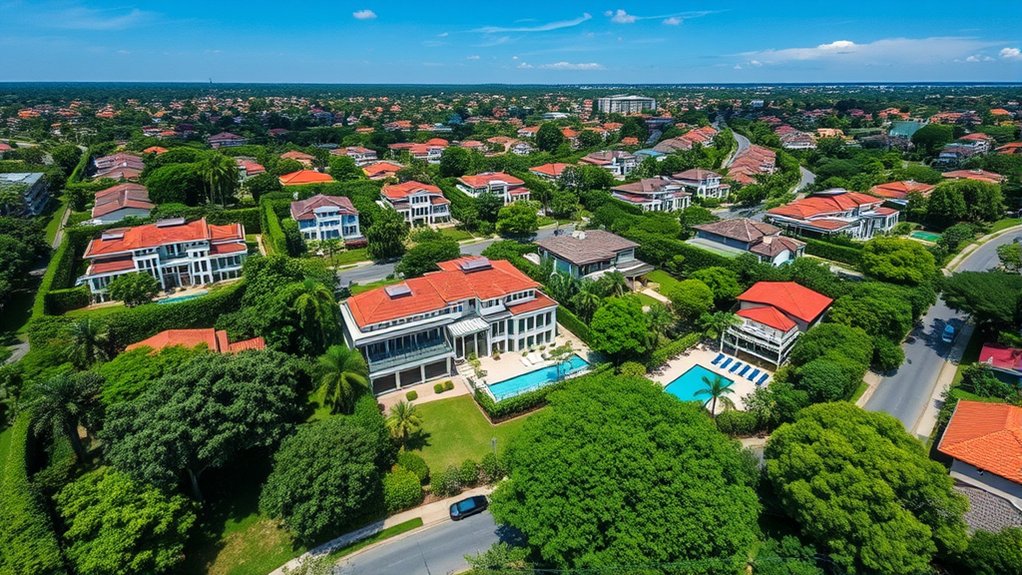
Behind the high walls and manicured hedges of Singapore’s most exclusive enclaves, the Good Class Bungalow market has quietly assembled a record-breaking performance, racking up $1.364 billion in total transaction value through 2025 across approximately 36 sales.
What makes this particularly intriguing is that prices actually softened during this period, with the average landing at $2,134 per square foot, proving that volume can rise even when values dip.
The momentum built from a robust Q4 2024, though the first half of 2025 showed signs of cooling with just 12 deals compared to 14 in the second half of the previous year.
While luxury apartments surged an impressive 155.8% half-on-half during H1 2025, GCB transactions remained particularly subdued, suggesting these ultra-exclusive properties march to their own rhythm.
The math behind this scarcity is straightforward: approximately 2,800 plots spread across just 39 gazetted Good Class Bungalow Areas, creating a market where supply constraints effectively guarantee long-term value protection.
This extreme limitation, combined with regulatory hurdles that severely restrict foreign ownership, keeps the buyer pool exceptionally small and remarkably committed.
Today’s GCB buyers look different than their predecessors.
Ultra-high-net-worth individuals still dominate, but younger buyers and second-generation business tycoons are stepping up as legacy asset acquirers, alongside newly minted permanent residents and citizens benefiting from lower Additional Buyer’s Stamp Duty rates. Among recent purchasers are key executives from traditional businesses, adding a new dimension to the typical buyer profile.
Many utilize shell companies and trusts to maintain privacy, with non-disclosure agreements becoming increasingly common.
Singapore’s safe-haven status continues attracting wealth from the USA, Europe, and Asia amid geopolitical turbulence and trade uncertainties.
Lower interest rates are forecast to reduce borrowing costs, potentially sweetening the appeal of these high-value acquisitions even further.
Curiously, more deals are happening off-market, suggesting sellers and buyers prefer discretion over traditional listing channels.
Despite regulatory restrictions that limit both foreign investment and future divestment options, the GCB segment remains largely resilient to market volatility, sustained by limited supply and enduring demand from those seeking Singapore’s most exclusive addresses. The influx of UHNWIs establishing family offices in Singapore has further bolstered interest in these prestigious properties as cornerstone assets for wealth preservation.
Buyers increasingly view GCBs not just as homes but as generational wealth vehicles, complete with sprawling gardens, private pools, and even sports arenas.