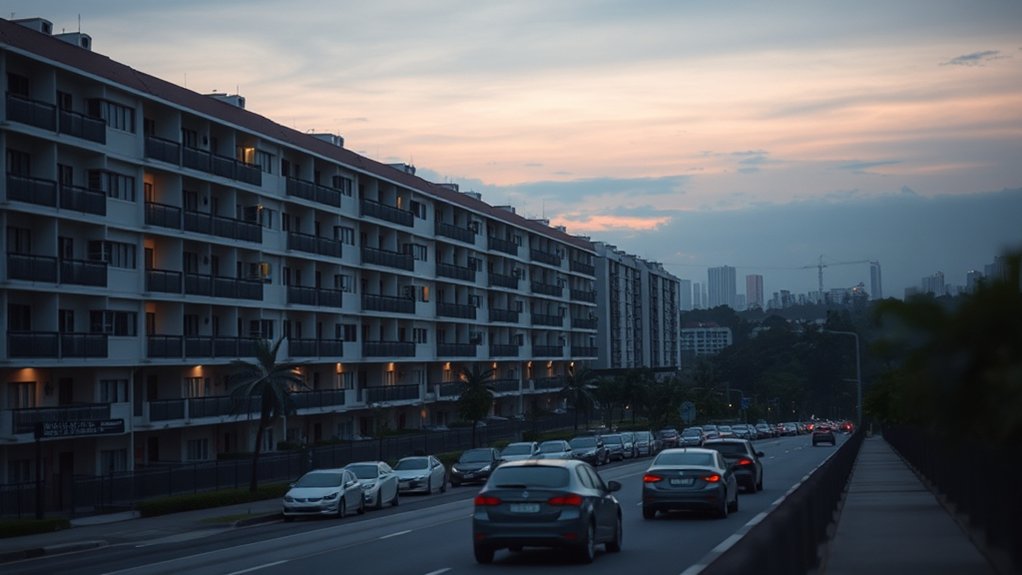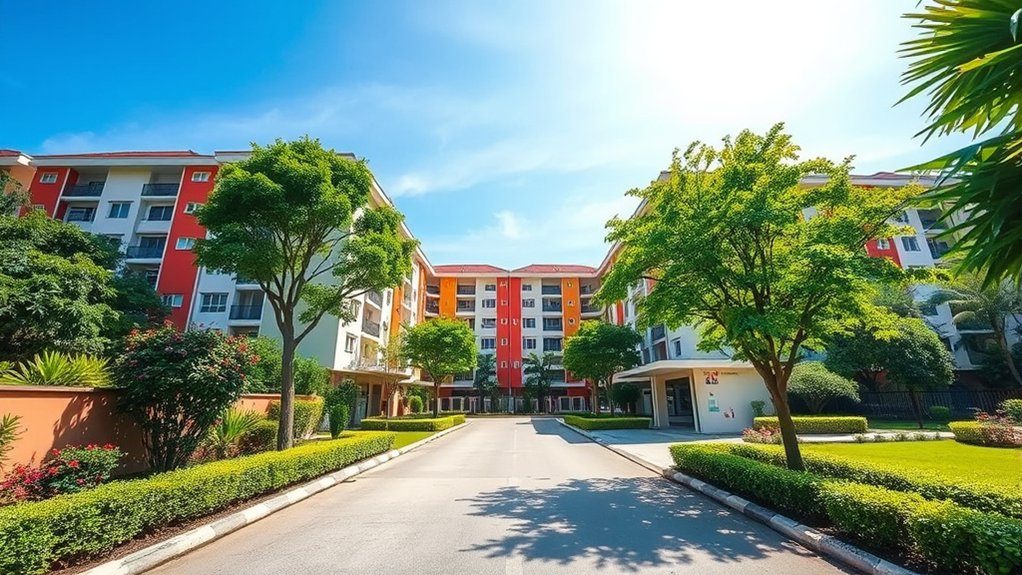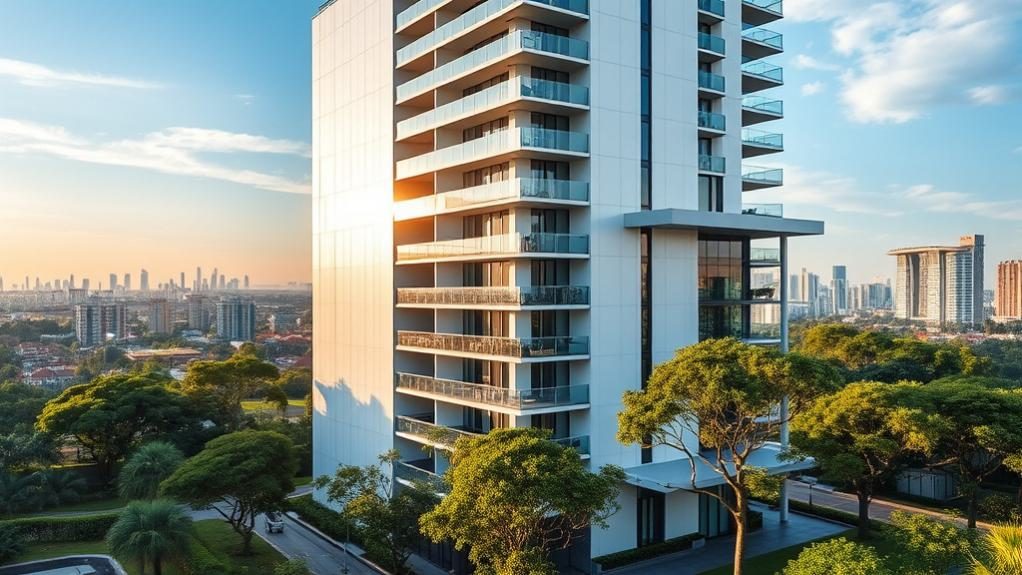
Bidadari’s first resale transactions have attracted attention because some newer flats have changed hands at seven-figure prices. But a high resale price is not the same thing as a seller banking an equally large profit.
That distinction matters in this case. The earlier version of this article described a five-room flat at Block 108B Alkaff Crescent selling for S$1.26 million in January 2025 after being bought for S$484,000. We could not match that combination of block, flat type, month and price in the official HDB resale dataset. The government data does show a nearby but materially different transaction: a four-room flat at Block 118A Alkaff Crescent, measuring 97 sq m, registered at S$1,258,888 in February 2025. It does not disclose the seller, the unit number or that household’s original purchase and financing records.
The responsible conclusion is therefore not that a named owner made nearly S$800,000. It is that Bidadari has recorded high resale prices, while any claimed profit requires more evidence and a fuller calculation.
What the official HDB transaction data establishes
HDB’s resale flat transaction dataset on data.gov.sg records the registration month, town, flat type, block, street, storey band, floor area, model, lease details and resale price. For the February 2025 Alkaff Crescent case, it records a four-room Model A flat at Block 118A, on storeys 10 to 12, with a 2020 lease commencement date and a price of S$1,258,888.
The dataset is strong evidence that a transaction with those attributes was registered. It is not evidence of the seller’s cash proceeds or investment return. Public records are intentionally aggregated: there is no household name, exact floor, stack, renovation bill, mortgage statement or CPF usage history. They also do not connect a resale row to a particular BTO booking.
This is why buyers should compare a subject flat with several recent transactions of the same flat type and nearby blocks, rather than treating one eye-catching deal as a valuation for every Bidadari home. Storey band, floor area, layout, orientation, condition and date of registration can all affect comparability.
Why Bidadari can command a resale premium
Bidadari combines relatively young leases with a city-fringe location and an estate planned around greenery and public transport. URA’s account of the Bidadari “Community in a Garden” plan describes how housing, community uses, pedestrian links and landscape were integrated, including Bidadari Park and infrastructure built into the terrain.
Those attributes help explain buyer interest, but they do not guarantee that every unit will achieve the estate’s top price. A park-facing high-floor flat and a lower-floor unit facing a road are not substitutes simply because they share a postal district. Neither does one record transaction prove a permanent price floor. Buyers deciding between an expensive HDB flat and other housing options should consider the broader trade-offs in our comparison of a S$1 million resale HDB flat and a new condominium.
Gross price difference is not net profit
The quickest headline calculation subtracts the original purchase price from the resale price. That produces a gross price difference, not net profit and not cash received at completion.
A proper seller calculation may need to account for:
- the outstanding housing loan;
- CPF principal used and accrued interest that must be refunded;
- renovation, maintenance and financing costs over the holding period;
- legal, marketing and agent fees, where applicable;
- any outstanding upgrading costs or other sums payable; and
- a resale levy if the household later buys another subsidised flat and the rules apply.
HDB’s Intent to Sell guidance explains that sale proceeds are reduced by items including the outstanding loan, CPF savings used with accrued interest and other amounts payable. It also directs sellers to calculate estimated net proceeds. Those deductions do not necessarily mean the home was a poor financial outcome, but they do mean a resale price minus an advertised BTO price cannot be labelled “profit” without qualification.
CPF refunds are savings returned, not a transaction loss
CPF treatment is frequently misunderstood in property-profit stories. The CPF Board’s official refund guidance says sale proceeds are used to pay the outstanding housing loan and refund CPF savings used for the property, together with accrued interest. For a member below 55, the housing refund is generally credited to the Ordinary Account; rules differ for members aged 55 and above because retirement-sum requirements may apply.
A CPF refund reduces cash released from the sale, but the money remains the owner’s retirement savings in CPF. It should therefore be shown separately from genuine transaction costs. Owners who funded different portions with cash and CPF can have very different cash proceeds even if they bought and sold at identical prices. Our guide to the HDB loan and CPF OA trade-off explains why the financing path matters long before resale.
How buyers and sellers should read record-price headlines
For buyers, start with official registered transactions, then narrow the comparison set to the same flat type, similar floor area, nearby blocks, comparable storey bands and recent months. Inspect the actual unit and assess noise, sun, views and renovation condition. A record is a data point, not a recommendation to match it.
For sellers, use three separate figures: the resale price, the gross price difference from acquisition, and estimated net cash proceeds. Obtain the outstanding-loan amount and CPF refund figures rather than estimating them from someone else’s story. Registering an Intent to Sell also allows HDB to assess eligibility and surface relevant information for the flat.
Finally, distinguish an estate-level trend from an individual result. Bidadari’s young flats, transport connections and planned green setting can support demand, while supply, financing conditions and buyer budgets can change. The defensible takeaway is that official data confirms substantial resale prices in Bidadari. It does not support attributing a precise S$800,000 profit to a particular owner without that owner’s complete purchase, financing and sale records.