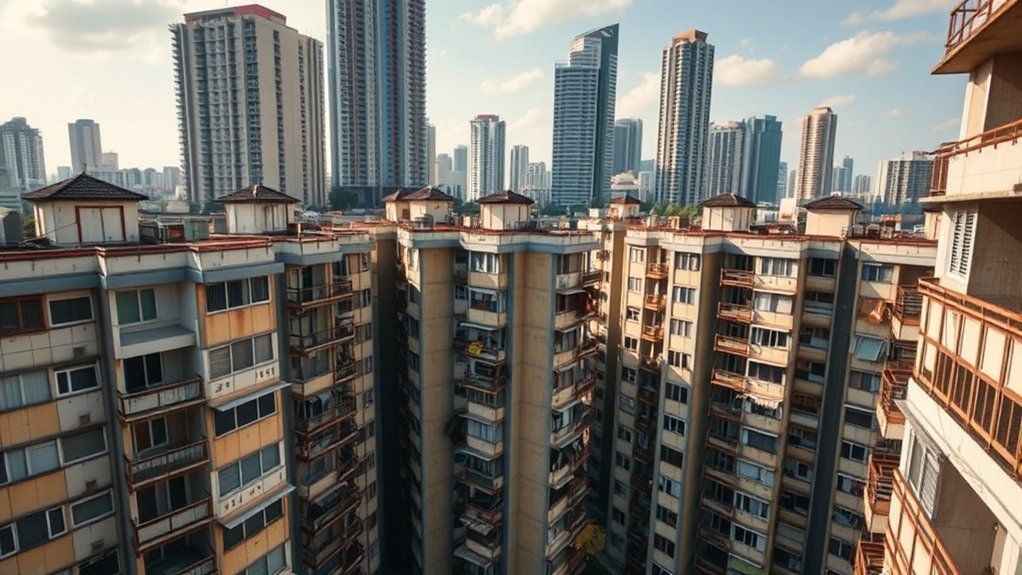
A home can support retirement in Singapore, but its market value is not the same as spendable retirement income. Property provides a place to live and may generate rent or sale proceeds. Yet cash is released only when the owner rents, sells, right-sizes or uses an eligible HDB monetisation scheme. Until then, the wealth remains tied to the property.
The useful question is therefore not whether property is a good or bad retirement asset. It is whether a particular home can provide the required housing security, cash flow and flexibility after accounting for debt, transaction costs, CPF refunds and lease length.
A home provides shelter before it provides income
An owner-occupied home reduces exposure to future rent, especially when the housing loan has been cleared. That is a real retirement benefit even though it does not appear as monthly income. The owner must still budget for property tax, insurance, maintenance, service and conservancy charges or condominium fees, and repairs.
Property is also illiquid. A valuation cannot pay for daily expenses, and a sale takes time. Renting out a room or the whole property may provide recurring income, subject to the applicable HDB, planning and tenancy rules, but it also brings vacancy, upkeep and management risk. Gross rent should not be treated as net retirement income.
MoneySense lists property rental, right-sizing proceeds and housing monetisation alongside CPF LIFE, savings, insurance and investments as possible retirement income sources. Its broader point is useful: retirement resources should be assessed together, including outstanding liabilities and near-term cash needs. See the official MoneySense overview of retirement income options.
Sale proceeds are not simply the selling price
A realistic estimate starts with the expected selling price and deducts the outstanding housing loan, transaction expenses, the cost of replacement housing and any required CPF refund. The result—not the headline sale price—is the amount potentially available for retirement or other uses.
Where CPF savings were used for the purchase, mortgage or eligible housing costs, a sale generally requires the CPF principal used plus accrued interest to be refunded. Accrued interest is the interest those savings would have earned had they remained in CPF. It is not a fee paid to the Government; the refund restores the owner’s CPF savings.
According to the CPF Board’s property refund guidance, sale proceeds first pay the outstanding housing loan and required CPF housing refund. For someone aged 55 or above, the refund is first used to top up the Retirement Account to the required retirement sum, with the balance remaining in the Ordinary Account. If a property was pledged for retirement-sum purposes, the pledged amount may also have to be restored on sale. This is related to, but distinct from, the housing refund; our guide to pledging property against the CPF Full Retirement Sum explains that distinction.
If a property is sold at market value and the selling price is insufficient after paying the outstanding loan to cover the required CPF refund, CPF says the owner generally does not have to make up that refund shortfall in cash. This does not mean the transaction creates usable cash: there may simply be little or no cash left after completion.
Lease length affects both housing security and monetisation
Most residential property in Singapore is leasehold. An HDB flat’s lease is finite, and its remaining term matters because it determines how long the home can provide accommodation. It can also affect the future buyer pool, financing and permissible CPF usage. Price, however, is also influenced by location, condition, amenities, supply and market conditions, so lease decay should not be presented as a guaranteed year-by-year price path.
For retirement planning, the practical questions are whether the lease can cover the intended period of occupation and whether the property is likely to remain saleable when funds may be needed. A plan that depends on selling much later should test a range of prices and timelines rather than assume uninterrupted appreciation. It should also allow for the possibility that family members wish to retain the home, which would leave its capital unavailable for spending.
Right-sizing may release cash and support CPF payouts
Right-sizing means selling the existing home and buying a less expensive one. It can release the difference after debt, CPF refunds, levies where applicable and transaction costs. The smaller home should still fit the household’s accessibility, location, caregiving and lease needs; the cheapest option is not automatically the most suitable.
Eligible seniors may also receive the Silver Housing Bonus (SHB). Under the enhanced scheme effective from 1 December 2025, seniors who right-size to a 3-room or smaller HDB flat may qualify by committing a net increase of up to $60,000 in their CPF Retirement Accounts after right-sizing. CPF housing refunds can count towards that increase. The maximum bonus is $30,000 for right-sizing to a 3-room flat; those moving to a 2-room or smaller flat, including a Community Care Apartment, can receive an additional $10,000, bringing the maximum to $40,000. Different maximums apply to the extended group right-sizing from private homes in the specified higher Annual Value band.
Eligibility includes conditions relating to age, citizenship, household income, property ownership, the existing property, the replacement flat and transaction timing. The current criteria should be checked on HDB’s Silver Housing Bonus page before committing to a sale or purchase. For a closer look at how the scheme fits a retirement plan, read our Silver Housing Bonus guide.
The Lease Buyback Scheme supports ageing in place
The Lease Buyback Scheme (LBS) offers another route for eligible HDB owners who prefer not to move. The household sells the tail-end of the flat’s lease to HDB, retains a lease based on the youngest owner’s age, and uses the net proceeds to top up the owners’ CPF Retirement Accounts under the scheme rules. CPF LIFE can then provide lifelong monthly payouts.
As at 2026, key eligibility conditions include all owners being at least 65, at least one Singapore Citizen owner, gross monthly household income of no more than $16,000, satisfaction of the applicable Minimum Occupation Period, and at least 20 years of lease available to sell to HDB. Short-lease flats, HUDC flats and Executive Condominium units are excluded. Bonus amounts depend on flat type and CPF top-ups.
LBS changes what the household can do with the flat. During the retained lease, it cannot be sold on the open market or rented out in full. HDB also sets rules for premature termination, death during the lease and what happens if owners outlive the retained term. These trade-offs make the retained lease length and legacy intentions important. The authoritative details are on HDB’s Lease Buyback Scheme page.
Judge property by the retirement job it must do
Residential property can fund part of retirement, but usually through a defined mechanism: net rental income, right-sizing, sale, or LBS. It should not be counted twice as both an untouchable family home and money available for spending.
A sound assessment separates three items: the home needed for long-term occupation, liquid reserves for near-term and unexpected costs, and dependable recurring income. It then estimates net—not gross—property proceeds and checks the current CPF and HDB rules. Whether to retain, rent, sell, right-size or use LBS is a household judgment shaped by health, family, housing preferences and finances. The scheme descriptions above are general facts, not personalised financial advice; eligibility and transaction figures should be confirmed directly with CPF Board, HDB and relevant professional advisers.