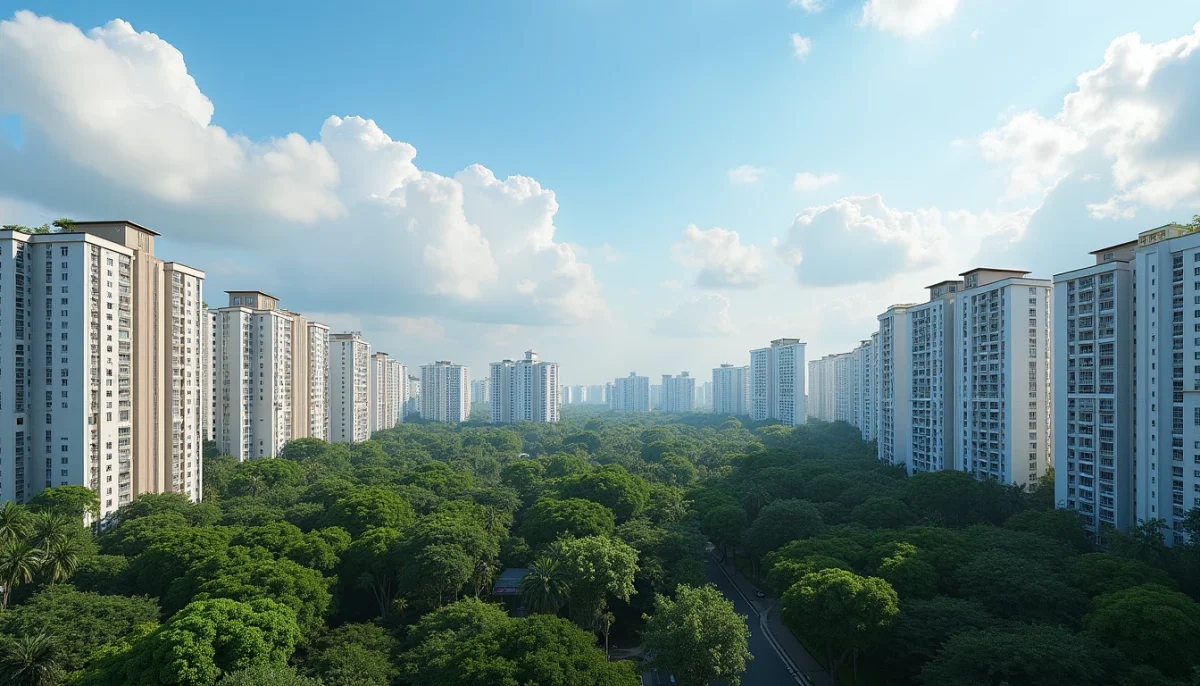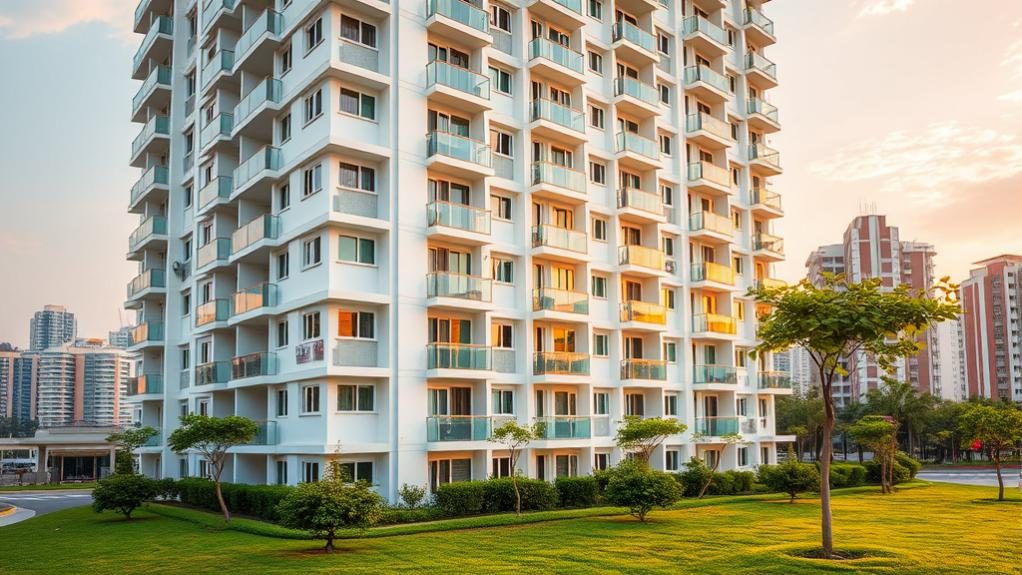
Singapore’s HDB resale supply picture has changed substantially since 2025. The Ministry of National Development (MND) says about 8,000 BTO flats reached their Minimum Occupation Period (MOP) in 2025, rising to 13,500 in 2026. It expects the total to increase again to 15,000 in 2027 and 19,500 in 2028.
Those figures point to a larger pool of relatively young flats that may become eligible for resale. They do not, however, show how many owners will actually sell, when they will list, or what price each flat will achieve. The distinction is important: reaching MOP creates the option to sell; it does not automatically create a resale listing.
What reaching MOP actually changes
For most flats bought directly from HDB and most resale flats, the familiar MOP is five years. It is generally calculated from key collection and excludes periods when the owners did not occupy the home. Different rules can apply to some flats, including the 10-year MOP for Prime and Plus flats. HDB’s official eligibility guidance for selling a flat should therefore be the starting point for an owner checking a specific case.
Once the applicable MOP is met, an eligible owner can sell on the open market. That is why newly MOP flats matter to resale supply: they enlarge the stock from which future listings can emerge. For a fuller explanation of how the period is calculated and what owners can do after it ends, see our guide to the HDB Minimum Occupation Period.
Yet a project containing 1,000 flats does not place 1,000 homes on the market at once. Some households will remain for many years. Others may sell to move nearer to family, obtain more space, right-size, or buy private housing. Household finances, mortgage rates and the availability of the next home all affect that decision.
The official pipeline is larger than it was in 2025
MND’s July 2026 announcement provides the clearest current national comparison: BTO flats reaching MOP rise from about 8,000 in 2025 to 13,500 in 2026, followed by 15,000 in 2027 and 19,500 in 2028. The MND release sets out that multi-year pipeline.
This official series should not be mixed casually with project-level estimates published elsewhere. Some estimates count completed project units or all flats thought to cross MOP, while MND’s rounded figures refer specifically to BTO flats. Completion timing and actual key-collection dates can also differ. Those methodological differences explain why readers may encounter a 2025 figure below 8,000 or a more precise 2026 estimate. For market analysis, a consistent official series is more useful than combining unlike counts.
Recent price data show moderation, not proof of cause
HDB’s Resale Price Index was 203.6 in the fourth quarter of 2025. It eased 0.1% to 203.4 in the first quarter of 2026 and then fell 0.3% to 202.8 in the second quarter. The second-quarter decline was the second consecutive quarterly decrease. At the same time, resale volume rose 1.8%, from 6,285 transactions in the first quarter to 6,396 in the second.
These are national market outcomes, recorded while the MOP pipeline was increasing. They do not establish that newly MOP supply caused the price declines. HDB’s second-quarter 2026 public housing data report the movements, but do not attribute them to one factor.
Resale prices can also reflect affordability limits, loan costs, economic confidence, the mix of flats sold, buyer eligibility and competition from new-flat launches. In July 2026, the Government also removed the 15-month wait-out period for private residential property owners buying a non-subsidised HDB resale flat. That change may widen the eligible demand pool for some resale homes, acting in the opposite direction from greater potential supply. It is another reason not to treat MOP counts as a stand-alone price forecast.
Supply will be local, uneven and differentiated
Newly MOP flats are often attractive because they have long remaining leases and relatively modern layouts. But two young flats can command very different prices. Town, distance to an MRT station, floor level, orientation, flat type, condition and proximity to schools or family all shape buyer comparisons.
The supply effect is also likely to be strongest around individual projects. If several owners in the same development list similar units together, buyers gain more direct alternatives and can compare asking prices closely. A town with few newly eligible projects may experience little of that effect. Conversely, a desirable project can retain strong demand even when national eligible supply increases.
Age is only one part of the resale decision. Buyers comparing young homes with established estates should also consider usable space, amenities and lease implications. Our analysis of why older HDB flats still attract buyers explains why a shorter remaining lease does not automatically remove demand.
What buyers should check before making an offer
Buyers should compare a newly MOP flat with recent transactions in the same block, project and nearby streets, rather than relying on a national index alone. HDB’s resale flat price service provides registered transaction data and is updated regularly. Similar floor area does not guarantee comparability if storey, lease start date, renovation or location differs.
- Check remaining lease, unit condition and likely renovation costs.
- Compare recent transactions with the seller’s asking price.
- Obtain an HDB Flat Eligibility letter and confirm financing before committing.
- Allow for valuation risk if the agreed price is above HDB’s valuation.
- Assess the neighbourhood at commuting hours, not only during a viewing.
More listings in one project can improve choice, but a buyer should not assume that every newly MOP seller is under pressure or that prices must fall.
What sellers should take from the larger MOP wave
Sellers face more potential competition than the unusually lean 2025 pipeline suggested, especially where many similar flats become eligible together. A realistic asking price, accurate presentation and a clear timeline for the next home may matter more in a market where buyers can compare alternatives.
Owners should also avoid treating the end of MOP as an automatic instruction to sell. Sale proceeds must cover any outstanding loan, CPF principal used and accrued interest, transaction costs and the next purchase. The relevant question is not whether a flat has just reached MOP, but whether selling now improves the household’s housing and financial position.
The measured conclusion is that newly MOP flats are expanding the potential resale pool, and the official pipeline continues to grow through 2028. That should support broader buyer choice. The eventual effect on prices will depend on how many owners list, where those flats are located and how demand, financing and policy evolve alongside supply.