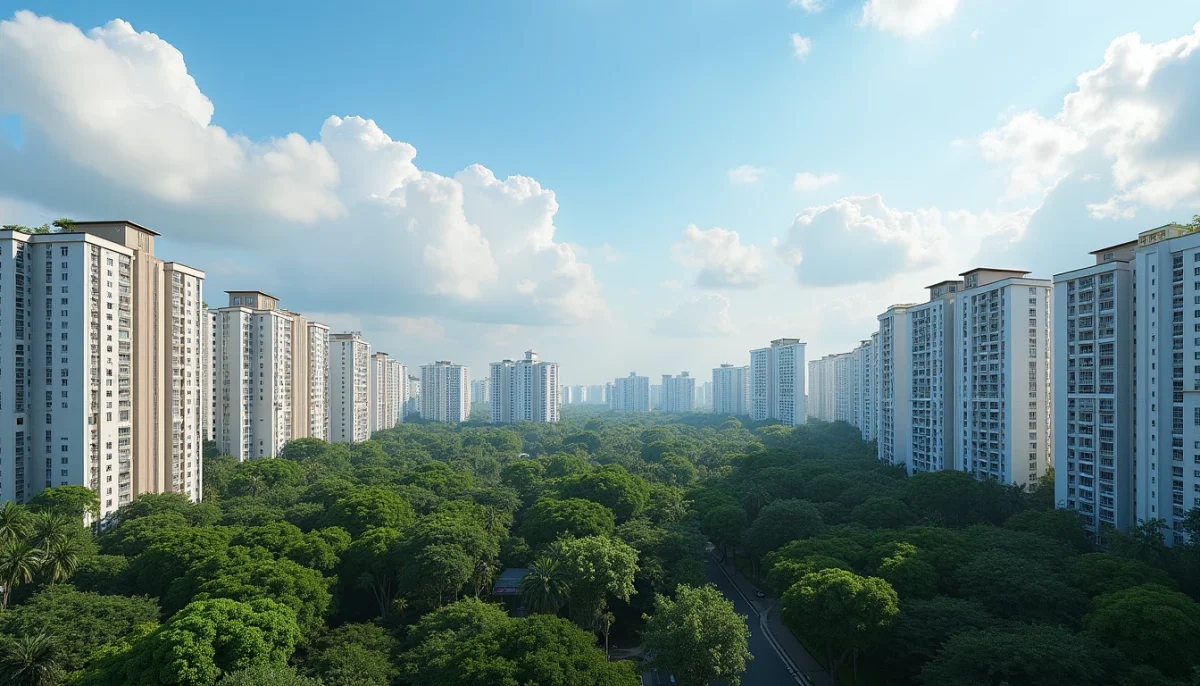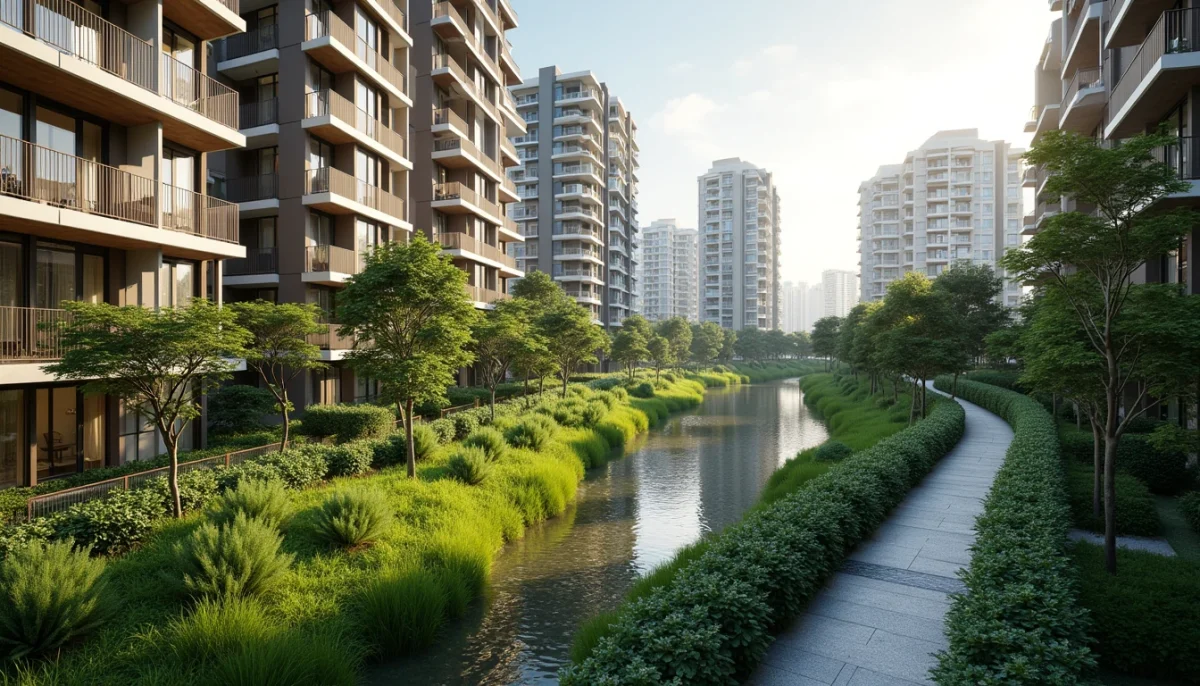
A S$1.518 million four-room transaction at Pinnacle@Duxton is the kind of sale that can reset expectations overnight. Sellers may see a new benchmark; buyers may worry that waiting will put central HDB flats further out of reach. Neither response is a sound basis for a purchase.
The transaction is real, but its usefulness lies in the details rather than the headline. It involved an unusual combination of location, height, flat type and remaining lease. Buyers should treat it as one comparable to investigate—not as proof that every unit in the development, or the wider HDB resale market, is worth a similar amount.
What the official transaction data confirms
HDB’s resale flat price dataset on data.gov.sg records a transaction registered in March 2025 at Block 1C Cantonment Road for S$1.518 million. The entry identifies it as a 94 sq m, four-room Type S1 flat in the 49-to-51-storey band, with 85 years and two months of lease remaining.
That official record verifies the price and the core property attributes. It does not disclose the exact floor, facing, view, renovation condition, valuation, cash over valuation (COV), buyer profile, asking price or the seller’s original purchase price. Claims about those details require separate evidence and should not be inferred from the transaction row.
This distinction matters. HDB itself notes that resale prices are indicative because agreed prices depend on many factors. The dataset also excludes certain transactions that may not reflect full market value, such as part-share transfers and resales between relatives. It is a strong starting point for comparison, but not a substitute for inspecting a flat and checking current eligibility and financing.
Why a headline sale is not a market proxy
Pinnacle@Duxton is not a typical four-room HDB development. The verified unit sits in the Central Area, has a long remaining lease and occupies the highest published storey band. Those attributes can attract buyers who place a high value on city-centre access, views and scarce high-floor stock.
The Ministry of National Development has cautioned against generalising from expensive transactions. In its August 2024 response on record resale prices, MND said high-priced sales formed a small minority. It added that higher-end four-room and smaller flats were concentrated in a few central estates, often on very high floors with strong location, facing or view attributes. Such units accounted for just 0.5% of four-room and smaller transactions over the two years examined.
That does not make the S$1.518 million sale irrelevant. It makes the sale highly specific. A premium attached to one rare unit should not automatically be transferred to a lower-floor flat, a different stack, a less efficient layout or another town. Our guide to HDB resale risks and opportunities explains why broad market readings need to be tested against the individual unit.
Compare like with like, then explain the differences
Start with registered transactions in the same block and development. Narrow the evidence by flat type, floor area, storey band and registration date. Recent sales usually deserve more weight than old ones, but a recent low-floor sale may still be a weaker comparable for a top-floor unit than an older sale in the same stack and height range.
Then account for differences the public dataset cannot show. Check orientation, afternoon sun, road or construction noise, lift access, privacy, layout alterations, defects and renovation quality. A renovated home may reduce near-term work, but buyers should value that benefit against their own plans rather than accept the seller’s renovation cost as added property value.
Remaining lease also needs separate treatment. Two flats with similar layouts can face different CPF, financing and future resale considerations if their lease lengths differ. This is especially important when comparing a relatively young central flat with older homes nearby. Read our analysis of why older HDB flats still attract buyers for the trade-offs between location, space, financing and lease decay.
A useful valuation range should contain several genuinely comparable transactions. If the target price sits above that range, identify the specific feature that justifies the gap and decide what that feature is worth to your household. “A nearby flat set a record” is not an explanation.
Budget around the valuation, not just the agreed price
A buyer using CPF savings or a housing loan must obtain the flat’s value after receiving the Option to Purchase (OTP). HDB’s Request for Value guidance says this value forms the basis for CPF usage and the reference for the housing loan amount. If the agreed price exceeds the value, the difference is COV and must be paid in cash.
The published S$1.518 million price does not reveal whether this buyer paid COV, so it would be wrong to assume either way. For a prospective buyer, the prudent step is to model several outcomes before offering: no COV, a moderate gap and a larger gap. Keep the option fee, buyer’s stamp duty, legal fees, renovation, moving costs and an emergency reserve in the same cash-flow plan.
Affordability should also be tested beyond loan approval. Stress-test monthly payments against a higher interest rate, a temporary income reduction and ordinary household expenses. A rare address may retain buyer appeal, but that does not protect an owner from cash-flow pressure or guarantee a profitable resale.
Check the ownership rules and the holding horizon
Eligibility comes before negotiation. Buyers should obtain a valid HDB Flat Eligibility letter and confirm that the household can buy the chosen flat. The sale must also satisfy applicable Ethnic Integration Policy and Singapore Permanent Resident quota limits.
Under HDB’s current selling eligibility rules, an unclassified resale flat generally carries a five-year minimum occupation period. The MOP is based on physical occupation from legal completion and excludes periods when the owners do not reside in the flat. Buyers therefore need a home that works for their likely household, commute and finances over that period—not merely a unit they hope to resell quickly. Rules can change, so the HFE letter and HDB Flat Portal should be treated as the decision documents.
Lease length and MOP answer different questions. A long remaining lease can support a broader future buyer pool, while MOP limits when the new owner may sell or pursue certain other housing options. Neither removes exposure to market cycles, maintenance costs or changing family needs.
A practical checklist before exercising the OTP
- Verify the evidence: pull recent HDB transactions for the same project, flat type, size and storey band; do not rely only on listing prices.
- Inspect the unit: visit at different times, test noise and heat, check leaks and alterations, and confirm whether renovation work was authorised.
- Price the differences: write down what you are paying for height, view, condition, layout and convenience.
- Confirm eligibility: check the HFE outcome and the prevailing EIP or SPR quota before committing.
- Plan for valuation risk: retain enough cash for possible COV and all transaction costs without emptying emergency savings.
- Think past the headline: assess whether the home still fits if prices are flat or lower when you eventually sell.
The S$1.518 million Pinnacle@Duxton transaction is best understood as evidence that a buyer paid a substantial premium for a specific central, very high-floor four-room flat. It is not evidence that the same price applies elsewhere. The lesson is not to chase or dismiss a record—it is to investigate exactly what made the comparable different, set a household-specific limit and be willing to walk away when the price outruns the evidence.