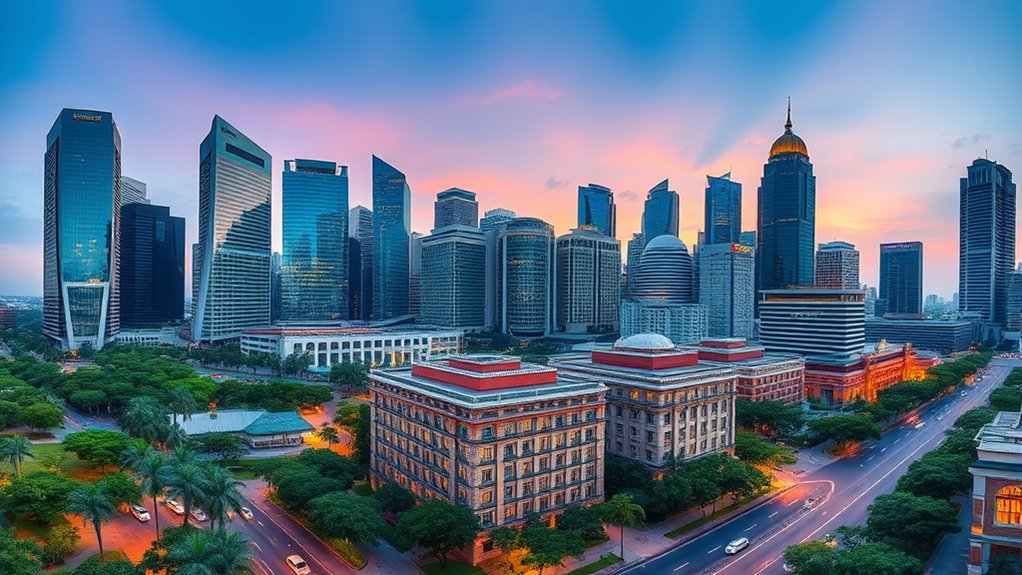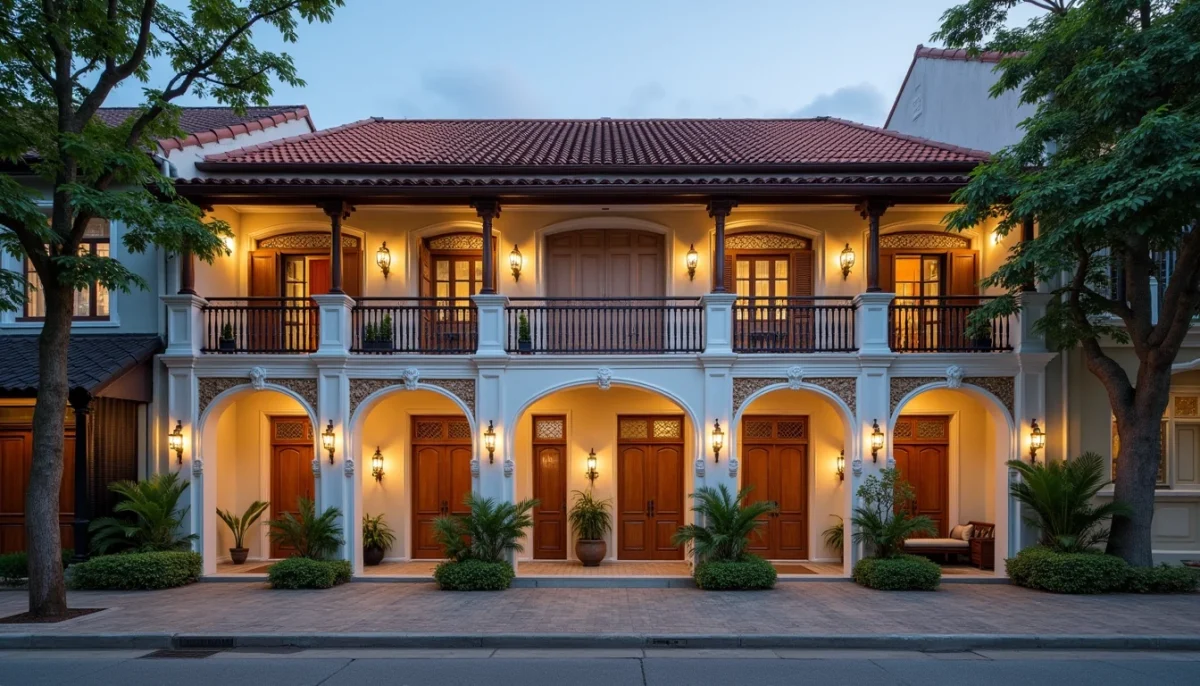
In a decisive strategic repositioning, institutional investors, family offices, and private owners of historic Singapore conservation shophouses are shifting their focus away from traditional retail and office leasing toward boutique hotels, hostels, and serviced accommodation. This wave of adaptive reuse comes on the back of a landmark policy relaxation introduced by the Urban Redevelopment Authority (URA) in mid-2026, granting temporary planning flexibility across key heritage street blocks.
The policy catalyst has already triggered a flurry of formal development applications to convert prime commercial shophouses along South Bridge Road, New Bridge Road, Hongkong Street, and North Canal Road into lifestyle hotels. While our earlier coverage tracked how shophouse sales and leasing volumes contracted amid wider economic caution, this hospitality pivot represents the most significant value-add transformation the heritage asset class has seen in over a decade.
URA’s Temporary Policy Easing: The June 2026 to May 2028 Window
Historically, URA maintained strict zoning controls on new hotel, hostel, and serviced apartment approvals within core conservation enclaves to prevent street congestion and maintain balanced commercial ecosystems. However, following industry consultations, Minister for National Development Chee Hong Tat announced a targeted, temporary relaxation of planning guidelines effective from 5 June 2026 to 31 May 2028.
Under this two-year window, URA has opened the door for commercial shophouse owners in designated street blocks—specifically around Upper Circular Road (Boat Quay) and Beach Road—to apply for rezoning or temporary permission for hotel and accommodation uses.
The market response was immediate. URA confirmed receiving at least six development applications in the Upper Circular Road precinct and one in the Beach Road block within weeks of the announcement. Notable properties submitting hotel conversion proposals include:
- 38 and 40 South Bridge Road: 4-storey commercial shophouses exploring a 35- to 40-key boutique lifestyle hotel.
- 54 and 60 South Bridge Road: Strategic heritage lots positioned near the Singapore River.
- 13 and 15 New Bridge Road: High-visibility conservation row within walking distance of Clarke Quay MRT.
- 41 Hongkong Street and 30 North Canal Road: Popular dining and creative office streets pivoting toward hospitality.
The Yield Differential: 3.8% Hotel Operating Yields vs 2.7% Commercial Rents
The driving force behind this hospitality gold rush is pure financial mathematics. For decades, investors were content holding prime shophouses as passive commercial assets generating stable office and F&B rental yields. However, post-pandemic operational realities have shifted the return profile:
- The Commercial Ceiling: Median commercial rents in District 1 hover around $7.50 to $9.00 psf per month. Against current secondary market shophouse capital values of $4,500 to $6,000 psf on gross floor area, standard commercial tenancies deliver compressed gross rental yields of just 2.6% to 2.9%.
- The Hospitality Uplift: In contrast, hospitality market analysis by Knight Frank reveals that a boutique hotel conversion begins outperforming commercial leasing at an Average Daily Rate (ADR) of just S$300, assuming an 80% occupancy rate and a 30% hotel Net Operating Income (NOI) margin.
- The High-Yield Scenario: If an operator achieves ADRs between S$350 and S$400—rates routinely commanded by boutique lifestyle accommodations in Chinatown and Boat Quay—NOI yields expand to 3.1% to 3.8%. This represents a substantial 16% to 35% net income uplift over conventional commercial leasing.
For high-net-worth investors and boutique real estate funds, that extra 80 to 110 basis points of yield is transformative, particularly when factoring in today’s 3.5% to 4.0% commercial borrowing environment.
Retail & F&B Fatigue: Overcoming the Commercial Shophouse Volume Slump
This hospitality pivot also solves an acute leasing dilemma. Over the past 18 months, traditional shophouse tenants—namely fine-dining restaurants, cocktail bars, and boutique creative agencies—have faced intense margin compression from rising labor costs, GST hikes, and cautious consumer discretionary spending. Rental defaults and extended vacancy turnover have become increasingly visible across prime dining enclaves.
Simultaneously, as examined in our study of macroeconomic headwinds cooling the shophouse market, total transaction volume in the first half of 2026 plunged to its lowest level since 1998, with only 30 caveats lodged islandwide. Institutional capital refused to acquire shophouses at sub-3% yields when risk-free sovereign bonds and commercial deposits offered comparable returns.
Repositioning properties into boutique accommodation bypasses the retail tenant cycle entirely. Instead, owners can enter long-term master leases or management contracts with established co-living and hospitality operators—such as The Assembly Place (which recently launched Gather House on South Bridge Road) or international boutique brands—securing stable, diversified cash flows.
Technical & Capital Hurdles: Fire Safety, URA Guidelines, and Capex
While the investment thesis is compelling, executing a shophouse hotel conversion is far from straightforward. Prospective investors must navigate stringent statutory and architectural hurdles:
- URA Heritage Preservation Guidelines: Conserved shophouses are legally protected under the Planning Act. Key architectural elements—including timber beam ceilings, original airwells, facade fenestration, and party walls—cannot be demolished or structurally altered. Integrating modern hotel en-suite plumbing, acoustic dampening, and central HVAC systems within rigid heritage footprints demands specialized architectural expertise.
- SCDF Fire Safety Requirements: Hotel occupancy classification triggers significantly higher fire protection codes than office use. Properties must install compliant secondary means of escape, fire-rated staircases, automated sprinkler networks, and smoke control systems—requirements that can consume valuable saleable floor area.
- Substantial Renovation Capex: Comprehensive hotel retrofitting costs range from $350 to $600 per square foot. Owners must ensure their investment horizon and projected room yields can comfortably amortize this upfront capital injection.
Buyers interested in how modern developers integrate conserved heritage architecture alongside contemporary residential living can review project studies like Duet@Emily heritage shophouse integration.
Strategic Implications for Shophouse Investors
The temporary easing of planning rules through May 2028 creates a defined window of opportunity for shophouse owners in District 1 and District 7. Those who secure planning approvals and execute thoughtful hospitality conversions will not only capture higher immediate operating yields but also establish a permanent competitive moat around their assets.
As Singapore cements its global position as an entertainment, business summit, and lifestyle capital, the demand for distinctive, authentic heritage accommodation will continue to outstrip supply. For the conservation shophouse sector, the hotel pivot is not merely a cyclical trend; it is the blueprint for modern heritage asset longevity.