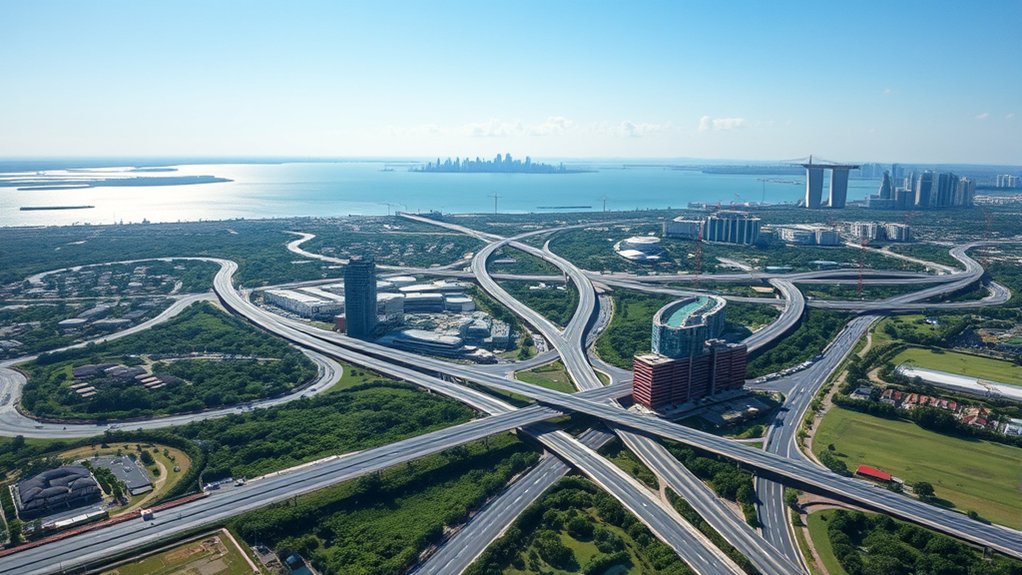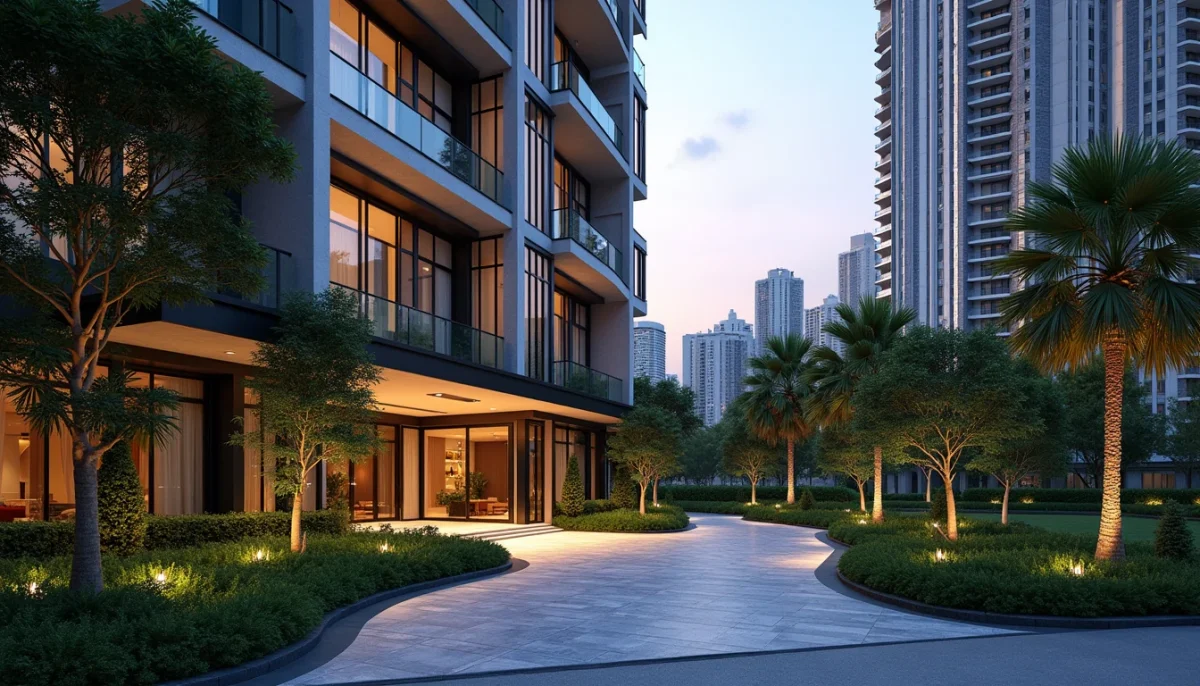
The public liquidation of Singapore’s largest-ever money laundering forfeiture has entered its most closely watched phase: the real estate auction block. Beginning mid-September 2026, appointed accounting firm Deloitte Singapore alongside major commercial real estate auction houses—including Knight Frank, Edmund Tie, and SRI—are progressively putting more than 80 confiscated properties up for competitive bidding.
The initial residential tranches comprise prime luxury apartments located across the Core Central Region (CCR), spanning trophy addresses in Wallich Residence, Martin Modern, Gramercy Park, and Sloane Residences. While earlier reporting tracked the initial asset seizures as documented in our review of Singapore’s S$3B money laundering seized condos, the actual commencement of public bidding brings critical legal, financial, and pricing questions to the forefront of the luxury property sector.
The Properties on the Block: Prime Addresses and Guide Pricing
The confiscated property portfolio represents a cross-section of Singapore’s premier residential enclaves. Among the first properties scheduled for public auction:
- Wallich Residence (Tanjong Pagar): High-floor luxury units atop Singapore’s tallest tower, offering panoramic port and city views with direct integration above Tanjong Pagar MRT station.
- Martin Modern (Robertson Quay / District 9): Prime 99-year leasehold residences in the lifestyle riverfront belt, recognized for expansive botanical landscaping and strong rental demand among expatriate professionals.
- Gramercy Park (Grange Road / District 10): Prestigious freehold development along the Orchard perimeter, distinguished by rare large-format layouts and private lift lobbies.
- Sloane Residences (Balmoral Road / District 10): Exclusive boutique freehold homes situated within the coveted Anglo-Chinese School (Barker Road) educational corridor.
- Commercial Assets: Stratified high-floor office units in Suntec Tower One, testing commercial investor appetite amid tightening central office supply.
Guide prices for the initial batches range between S$2.238 million for mid-tier residential units to upwards of S$6.78 million for expansive prime luxury configurations. All net proceeds from the sales are mandated to flow directly into the Singapore Government’s Consolidated Fund, which has already absorbed over S$1.4 billion from liquidated bank balances and cash instruments.
Will Distressed State Auctions Cause a CCR Price Reset?
In traditional property markets, forced liquidations and foreclosure auctions often trigger sharp price depreciations. However, Singapore’s institutional handling of the S$3 billion forfeiture operates under distinctly different market dynamics.
First, the sales process is managed through structured, progressive tenders rather than a reckless fire sale. Deloitte and appointed marketing agencies have established reserve prices informed by independent professional valuations. Properties will not be transacted below statutory thresholds simply to clear inventory quickly, safeguarding against artificial price distortions.
Second, as detailed in our analysis of CCR property demand and domestic buyer trends, high-end central homes are increasingly anchored by local Singaporean families and permanent residents looking for long-term wealth preservation. While the 60% Additional Buyer’s Stamp Duty (ABSD) on foreign purchasers has curtailed speculative overseas capital, well-capitalized domestic buyers continue to absorb high-conviction luxury stock when realistic pricing presents itself.
Legal Title and Conveyancing: Buying Forfeited State Assets
Prospective buyers frequently question the legal risks of acquiring properties involved in criminal litigation. Under Singapore legal statute, assets forfeited to the State under the Criminal Procedure Code and Corruption, Drug Trafficking and Other Serious Crimes (Confiscation of Benefits) Act are conveyed with clear, unencumbered title.
Once the court-ordered forfeiture is perfected and the state administrator executes the transfer, prior mortgage claims, caveats, or illicit encumbrances are extinguished by law. Successful auction purchasers receive the standard statutory protections afforded in ordinary private property conveyancing.
Buyers should nonetheless conduct rigorous pre-auction due diligence, including reviewing auction terms of sale, verifying outstanding management corporation (MCST) maintenance fees, and arranging on-site inspections through licensed auctioneers to ascertain unit condition. Private property investors assessing luxury portfolios can review comparative resale benchmarks on Singapore luxury new launches and resale comparisons.
Taxation, Financing and Buyer Precautions
Purchasing an auction property does not exempt the buyer from standard Singapore tax statutes:
- Stamp Duties: Buyer’s Stamp Duty (BSD) of up to 6% applies across all residential transactions. Furthermore, Singaporeans purchasing their second or subsequent home, as well as Permanent Residents and foreigners, remain fully subject to prevailing IRAS Additional Buyer’s Stamp Duty (ABSD) schedules.
- Financing Constraints: Auction buyers must have bank financing pre-arranged. Unlike private treaties where an Option period extends over several weeks, auction successful bids typically require an immediate 5% to 10% deposit upon the fall of the hammer, with balance completion strictly enforced within 8 to 12 weeks.
- Absence of Defects Liability: Unlike brand-new developer launches governed by the standard Building Maintenance and Strata Management Act (BMSMA) 12-month defect warranty, auction properties are sold strictly on an “as-is, where-is” basis. Budgeting for refurbishment and interior reinstatement is critical.
The Wider Market Implication
The commencement of Singapore’s luxury forfeiture auctions marks a milestone in concluding the high-profile money laundering episode. Rather than undermining prime residential values, the transparent, orderly auctioning of trophy homes in District 9, 10, and the Marina Bay corridor reinforces the institutional stability, rule of law, and liquidity of Singapore’s property framework.
For high-net-worth investors and family offices holding liquid capital, the auctions present a legitimate window to acquire established CCR trophy assets at fair market valuations without developer markups.