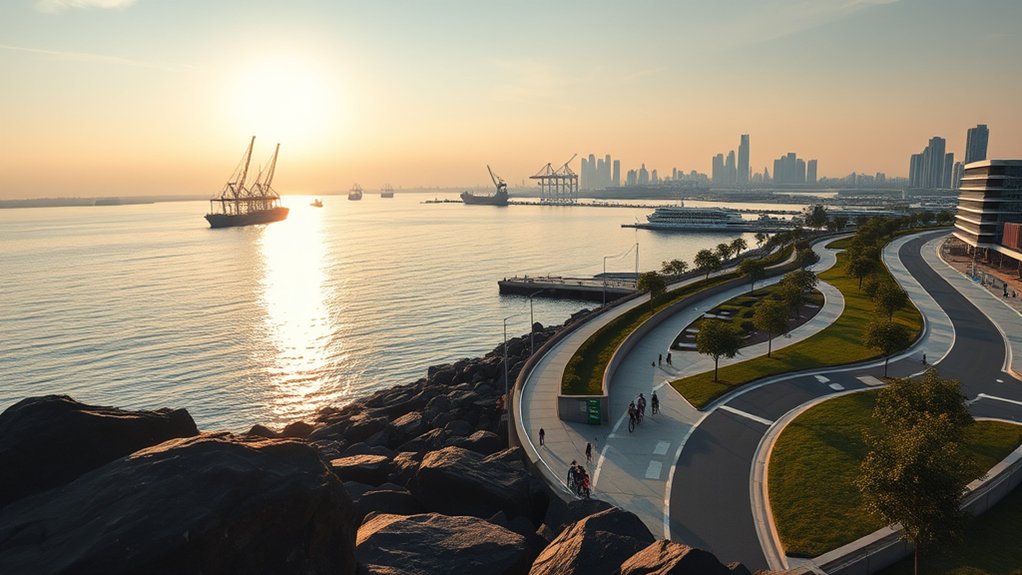
The Greater Southern Waterfront — a name that sounds almost too grand until you realize Singapore is literally building a brand-new city on 1,300 hectares of reclaimed southern coastline. And Pasir Panjang, long overlooked like that quiet corner kopitiam nobody talks about until suddenly everyone’s queuing, is finally centre stage.
Singapore is literally building a brand-new city on the water — and Pasir Panjang is finally centre stage.
Think of this project like a second Orchard Road being built from scratch — except smarter, greener, and sitting right on the water. The budget alone, exceeding S$150 billion, tells you the government is dead serious. This isn’t a five-year plan. Phases run from 2025 all the way to 2040, starting with land reclamation, then infrastructure, then actual homes by 2033.
And the connectivity piece? That’s where it gets exciting for everyday Singaporeans. A Thomson-East Coast Line extension adds three new stations serving Pasir Panjang. Travel time to the CBD drops from 30 minutes to under 20 by 2035. That’s not marginal. That’s the difference between stressful and liveable.
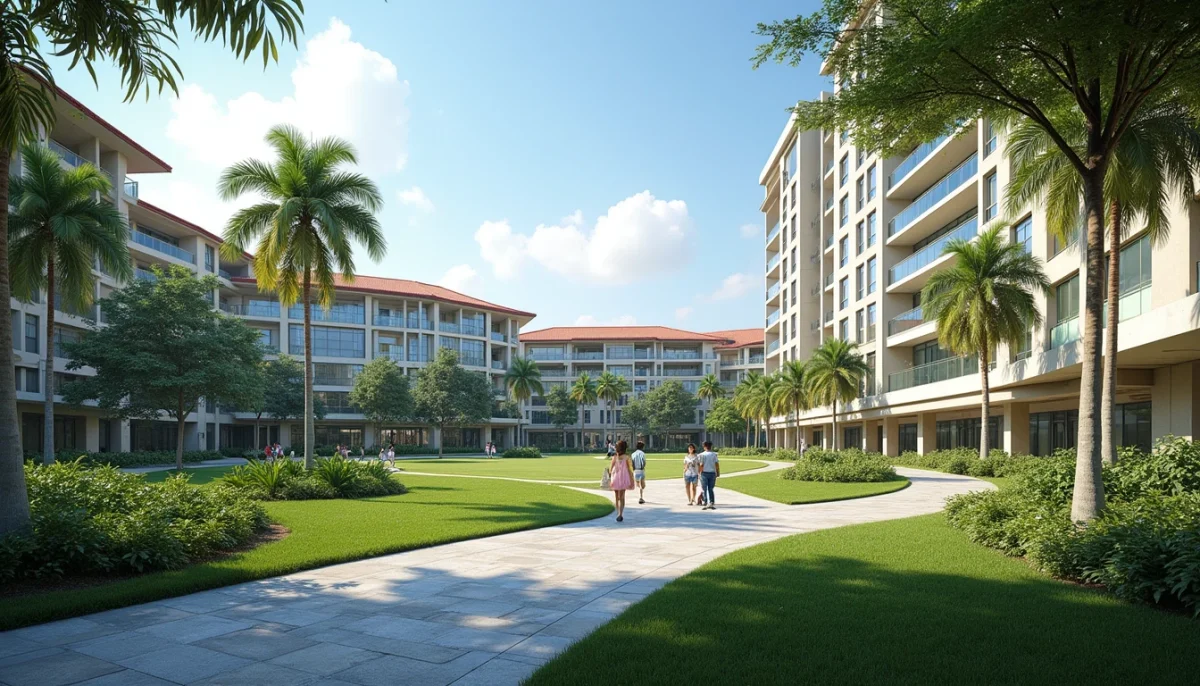
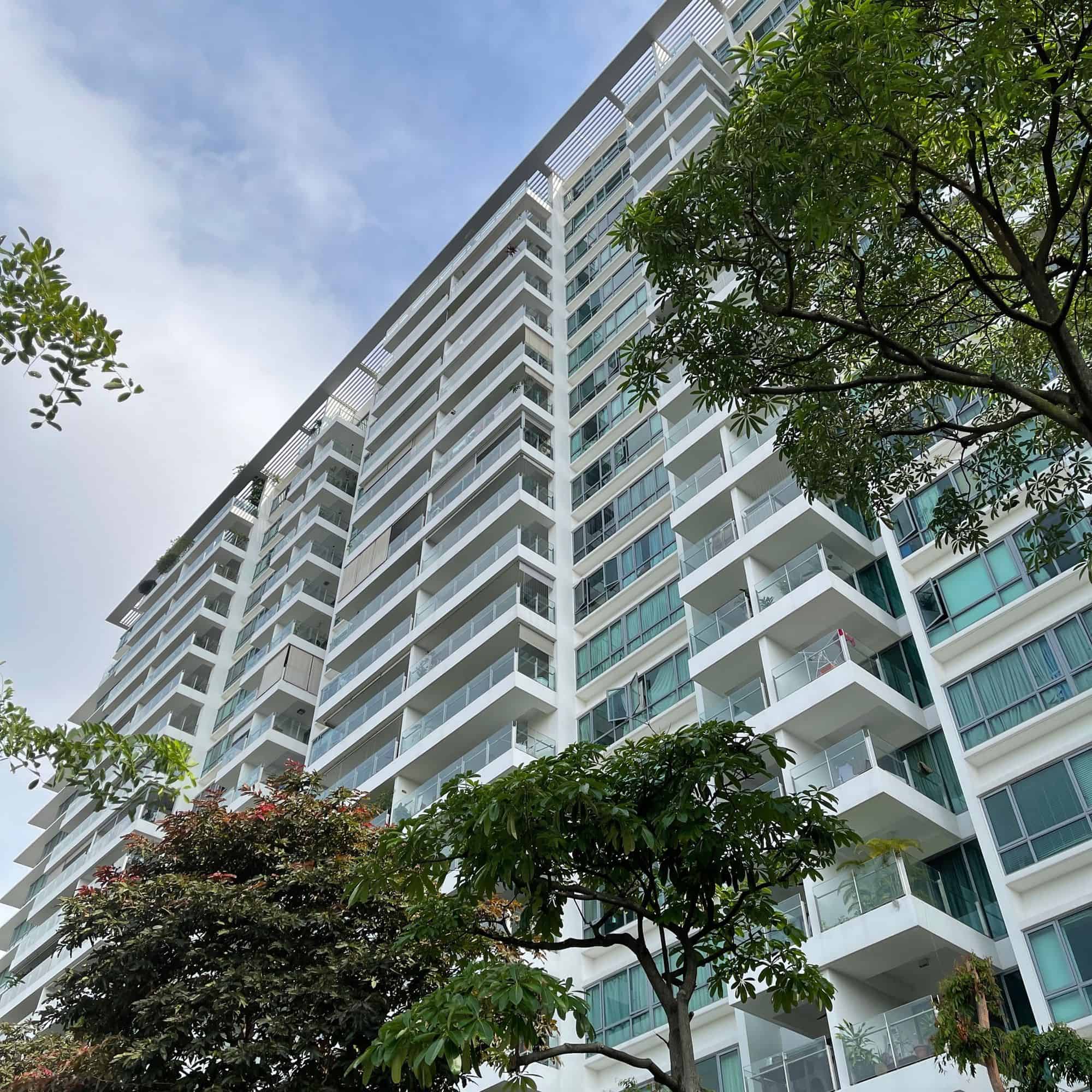
Housing-wise, expect 30,000 new units — a proper mix of HDB and private condos, with 30% tagged as affordable. Public flat sizes average 85 sqm, private units 120 sqm. When completed, this adds 8% to Singapore’s total housing stock. Not nothing.
The commercial side is equally serious. Up to 200 million square feet of office space is planned, targeting fintech, maritime logistics, and creative industries. 50,000 new jobs are on the cards. MNCs get tax rebates and smoother licensing — basically a red carpet, Singapore-style.
But here’s what often gets missed in the excitement over towers and MRT lines: the sustainability commitments are genuinely ambitious. Seventy percent of new buildings targeting Green Mark Platinum. A 20-hectare coastal mangrove reserve. Solar panels generating 30% of energy needs. And water recycling systems hitting 90% reuse for non-potable use. The transformation also carries real environmental responsibilities — around 213 hectares of reclamation is proposed, and authorities have committed to coral transplantation and habitat monitoring to limit the impact on marine ecosystems along the southern coast.
Pasir Panjang was always undervalued — too industrial, too far, too forgettable. Not anymore. The waterfront is coming, and it’s bringing everything with it. The Pasir Panjang Power District, with its preserved 1950s and 1960s power station buildings, is set to become a waterfront lifestyle destination woven into this broader transformation. This kind of phased, infrastructure-first approach mirrors how the government is advancing other major precincts, including Jurong Lake District, where upfront infrastructure works are being undertaken to reduce development risks and make large-scale projects economically viable from the outset.

One thought on “Why the Greater Southern Waterfront Is Finally Bringing Pasir Panjang Into Focus”