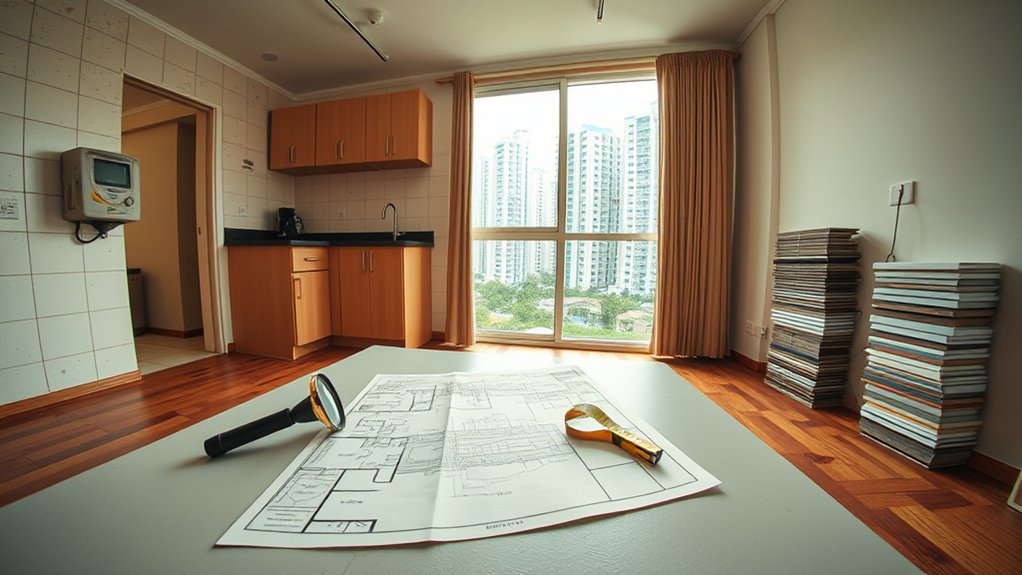
A residence functions as more than shelter—it operates as an interconnected network of essential systems working together to provide comfort, safety, and functionality. Understanding these systems helps homeowners make informed decisions that protect both their families and their investments.
A home is an interconnected network of essential systems working together to provide comfort, safety, and functionality for families.
The electrical system serves as the foundation for modern home functionality, taking electricity from utility sources and distributing it throughout the residence. It includes a meter to monitor usage, circuit breakers to interrupt flow during problems, and wiring that delivers power to every room.
Common issues like faulty switches, dead outlets, tripped breakers, and flickering lights typically require professional inspection as part of thorough home assessments.
Climate control systems work together to maintain comfortable indoor environments year-round. The heating system comprises a central component, such as a furnace or heat pump, which distributes heated air through ducts to different rooms.
Modern furnaces operate at ninety percent efficiency or higher, making them both effective and economical. Air conditioning integrates with heating as part of HVAC infrastructure, including air exchangers, ductwork, and thermostats for temperature regulation.
Strategic placement of these components guarantees even temperature distribution throughout the residence.
The plumbing system delivers and removes water using connected pipes and fixtures, making it critical for household hygiene, sanitation, and daily operations. Regular maintenance prevents water damage and system failures, protecting the home from potentially costly repairs.
Security systems provide multi-layered defense through integrated components including control panels, door and window sensors, motion detectors, and security cameras. Glass break sensors detect breaking glass while carbon monoxide sensors monitor for harmful gases.
Communication hubs connect all devices, enabling control via keypads or key fobs, with alarm sirens and yard signs deterring potential intruders. These systems communicate with monitoring services to notify emergency responders when intrusions are detected. Advanced features include facial recognition and biometrics for authorized access and ease of entry. Digital locks enhance residential security by eliminating the vulnerabilities associated with traditional keys and providing homeowners with remote access control capabilities.
Smart home systems consolidate control through automation controllers or hubs that act as central points for sensing, processing data, and wireless communication. Platforms like Google Home, Apple HomeKit, and Amazon Alexa enable remote monitoring and management of lighting, thermostats, security devices, and appliances through unified interfaces.