Parents often dream of setting their children up for success by purchasing property on their behalf, whether it’s a cozy starter home or a promising investment, but this generous act comes with hidden pitfalls that can jeopardize their own financial stability.
Parents envision securing their child’s future with a gifted property, yet this well-meaning gesture harbors risks that could undermine their own financial well-being.
When parents add their child’s name to the title, they open the door to serious legal troubles, like exposure to the child’s creditors during lawsuits or bankruptcy. If the child faces divorce, that property equity could be at risk in settlements, and any tax liens or debts might attach to the shared asset. Even worse, co-signing a mortgage means parents could face foreclosure if the child defaults, creating messy court judgments or garnishments that tie everyone up.
Tax implications add another layer of complexity, and not the fun kind where you find extra change in your pocket. Transferring ownership while alive eliminates the “step-up in basis” benefit that reduces taxes on inherited property. Selling the gifted property later could trigger higher capital gains taxes, and if the gift exceeds IRS limits—say, over $18,000 for an individual in 2025—reporting and potential taxes kick in. Moreover, adding a child to the home title is considered a gift by the IRS, potentially requiring the filing of a gift tax return.
Families might lose key estate tax exemptions, and if parents rent out the property, that income becomes taxable, chipping away at their nest egg.
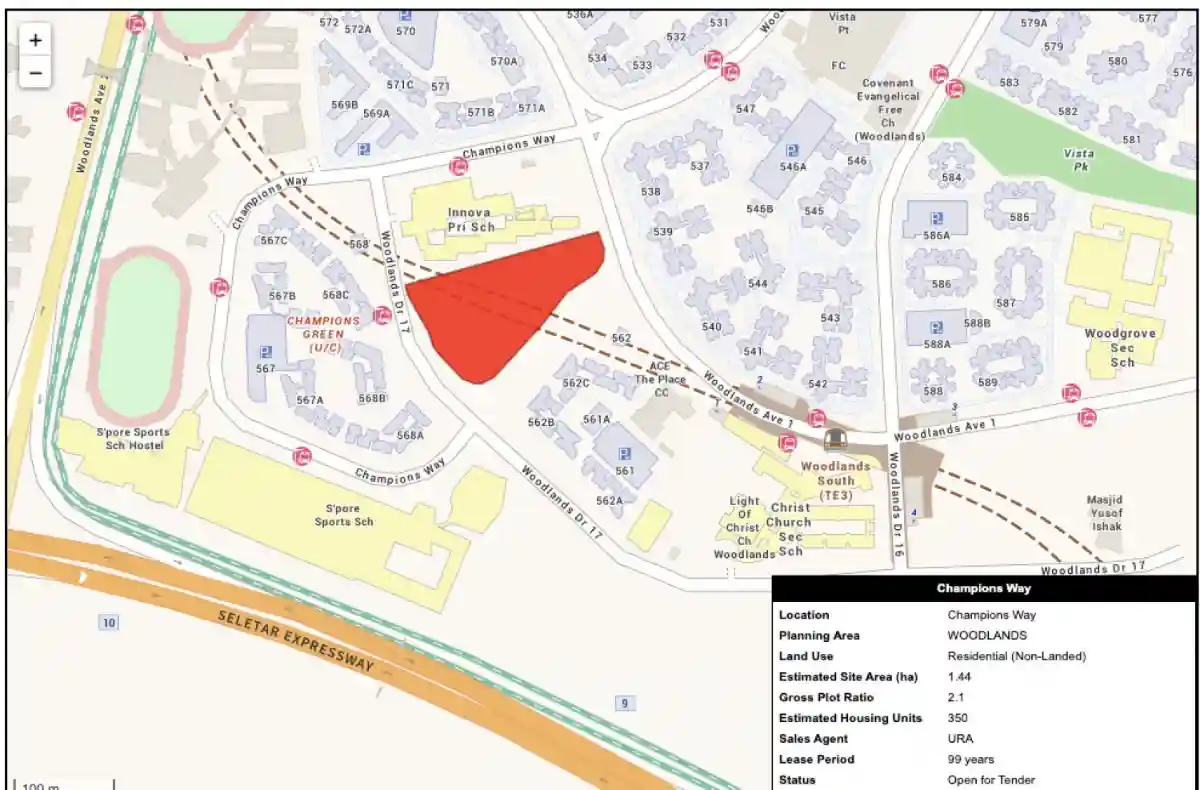
Financially, this setup can strain parents’ retirement plans, as large gifts or co-purchases drain savings and liquidity. Co-signing leaves parents on the hook for missed payments, damaging their credit and making future borrowing tough. Accessing equity for personal needs becomes tricky with shared ownership, and market dips could slash the property’s value, hitting parents’ overall wealth hard. Given that affording a median home requires at least $110,871, parents might find themselves subsidizing more than anticipated if the child can’t contribute sufficiently. With rising suburban land prices like CDL’s S$1,132 psf bid for the Lakeside Drive site, parents’ financial commitment could be unexpectedly substantial.
Family dynamics suffer too, with shared titles sparking sibling rivalries or disputes over management and sales. Estate planning gets complicated by unclear distributions, and events like divorce or death can lead to inheritance battles or litigation without solid agreements.
Control issues arise when multiple owners disagree on renovations, occupancy, or quick sales in emergencies, delaying decisions. Renting to the child introduces landlord-tenant laws, while parental visions for the property might clash with the child’s ideas.
Mortgage risks loom large, as co-signors stay liable for the full loan, and lending directly could create taxable interest. Payment problems hurt everyone’s credit, and forgiveness must fit IRS gift limits to avoid penalties.
Regulatory hurdles, like gifts over yearly thresholds requiring filings, further complicate matters, ensuring parents tread carefully to protect themselves.