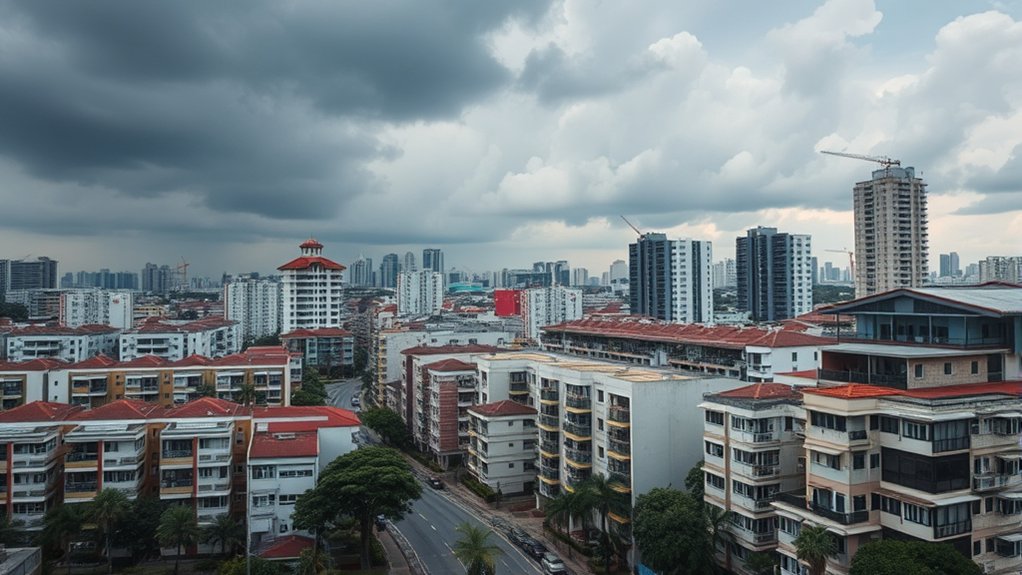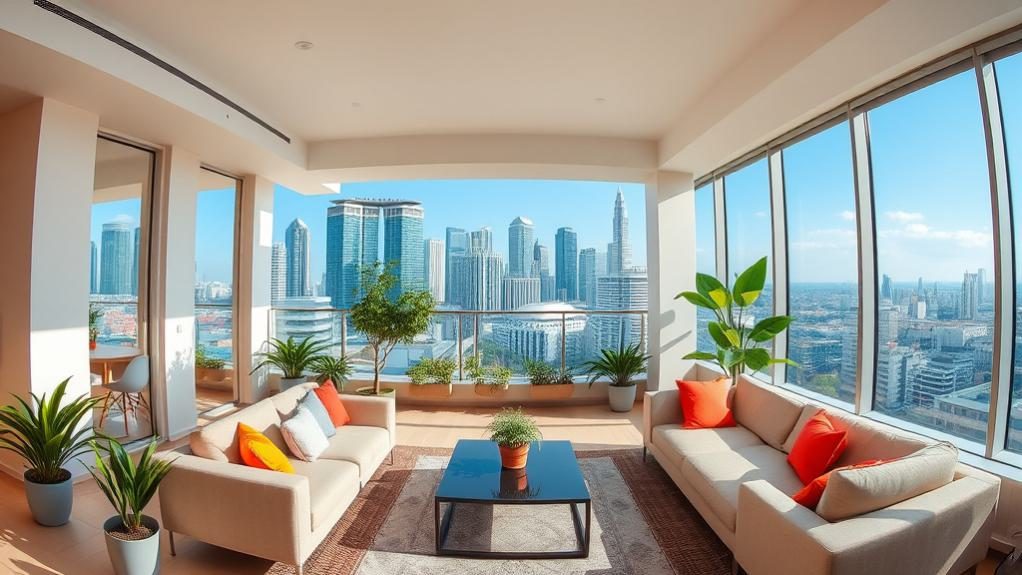
Why is Singapore’s co-living market generating so much buzz among investors today? Well, it’s hard to ignore a sector valued at over $350 million, growing at a steady 15% each year, and even hitting a remarkable 30% surge in a single recent year. This isn’t just a passing trend; it’s a housing solution that’s capturing attention in a city where sky-high property prices often leave people searching for affordable alternatives.
Globally, the co-living market is projected to balloon from $7.7 billion in 2024 to a staggering $32.3 billion by 2034, and Singapore is riding that wave with a forecasted 12% annual growth through 2028. Investors are taking note, drawn by the promise of stable returns in a market that’s shifted from student-only spaces to a mainstream option for urban dwellers.
Singapore’s co-living market is soaring, with a projected 12% annual growth through 2028, attracting investors seeking stable returns in urban housing.
The demand is clear, especially among young professionals, digital nomads, and new workforce entrants who crave community, shared amenities, and flexibility. With high property costs and a structural shortage of private rentals—thanks to cooling measures and fewer new completions—co-living offers a practical fix. Additionally, the projected growth of nearly 3,000 units by 2023 in Singapore underscores the market’s potential to meet this rising demand.
Even though expat hiring has slowed and retrenchments have risen, interest remains stronger than pre-pandemic levels, particularly in growing hubs like eastern Singapore. However, it’s not all smooth sailing; some tenants are drifting back to traditional leases as private rents adjust downward for 2024–2025.
On the supply side, things are tightening up, with private home completions in 2025 expected to drop 31% compared to 2024, pushing more people toward co-living. Yet, there’s a catch—new openings are slowing, hinting at possible saturation in key areas. Major players like LHN Group are still expanding, planning to take Coliwoo Group public on the Singapore Exchange to capitalize on the market’s potential.
Still, operators with solid track records are holding strong, keeping occupancy and rents steady. The strategic governance fostering a predictable economic environment gives investors additional confidence in the long-term stability of Singapore’s co-living sector. Investors see opportunity here, especially with market fundamentals described as “structurally higher” than before the pandemic.
Sure, risks like economic softness or oversaturation loom, but the double-digit growth forecast and evolving tenant needs—think tailored, community-focused spaces—keep the appeal alive.