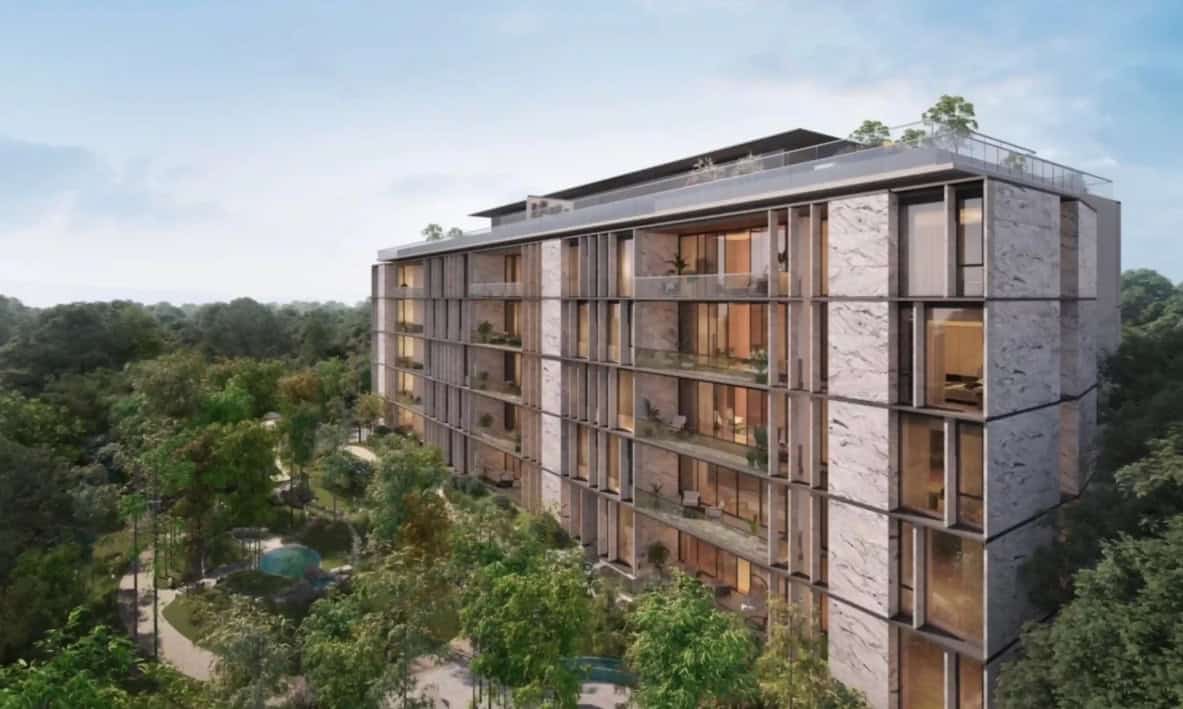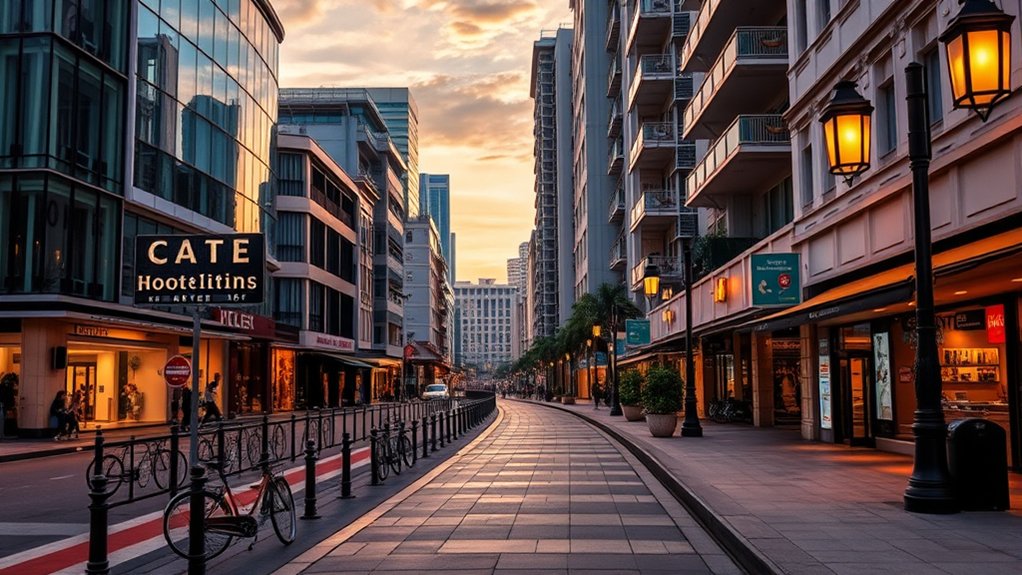
Singapore’s heritage shophouse districts are finally getting a shot in the arm. On 5 June 2026, National Development Minister Chee Hong Tat announced that restrictions on new hotels, backpacker hostels, and serviced apartments in Upper Circular Road and Beach Road precincts are officially lifted. Big news. And long overdue.
Singapore’s heritage shophouse districts are finally getting a shot in the arm — big news, and long overdue.
Think of it this way. These shophouse areas have been sitting there like a zi char stall with a great location but no signboard — full of potential, but nobody stopping.
The old URA rules fundamentally banned short-term accommodation to prevent over-proliferation. Sounds sensible until you realise the streets started feeling a bit dead after dinner. Now, proposals can be submitted, and URA will assess them case by case, checking for heritage impact and traffic concerns.
This didn’t come out of nowhere. In 2025, Boat Quay already got a relaxation on nightlife and liquor trading hours. Similar regulatory sandboxes were piloted at Singapore River and Raffles Place BIDs. So this accommodation move is really the next logical step in a phased strategy that’s been quietly building momentum. The announcement was made at the opening ceremony of i Light Singapore 2026, a festival running from June 5 to June 28 featuring light installations across Marina Bay and Raffles Place.
Why does this matter? A few reasons worth paying attention to:
- Budget and mid-range travellers now have more reasons to stay in the heart of the city, not just Geylang or Lavender.
- Local F&B and retail businesses along these precincts stand to gain real footfall — not just lunchtime office crowd, but overnight visitors spending money at night too.
- Jobs get created — hospitality, construction, renovation works. Real economic spillover.
But it’s not a free-for-all. Conservation groups are watching closely, and URA has pledged individual evaluations. Architectural integrity must be maintained. You can’t just gut a 100-year-old shophouse and slap a neon hostel sign on it. The heritage façade stays. That’s non-negotiable.
The broader picture fits neatly into Singapore’s upcoming Business Improvement District legislation, where stakeholders contribute to precinct management. These restrictions on short-term accommodation have been in place since 2014, covering areas including Outram, Rochor, Downtown Core and Singapore River, to avoid altering the character of those districts. It’s adaptive reuse done properly — buildings staying alive, districts staying relevant, and Singapore staying competitive as a tourism destination. This approach mirrors the spirit of the URA Master Plan 2025, which champions weaving history into modern growth while preserving the identity and soul of Singapore’s most storied neighbourhoods. Smart moves, executed carefully.